Guides, and the arithmetic behind them
Everything this site recommends rests on a small number of published figures. These are the pages that explain them, with the working shown.

Every number on this site traces back to a published source, and every recommendation traces back to a number. These guides are where the sources and the arithmetic live, so that nothing on a product page has to be taken on trust.
Start here if you have not bought yet
- How much space a chicken needs - the 4 sq ft figure, where it comes from, and how it changes by breed and by run access
- Coop vs run - what each one is for, and why the space figures add rather than overlap
- What manufacturers mean by holds 6 chickens - how listing claims are constructed and why they drift
- What a chicken coop actually costs - the purchase price, and the four things that follow it
- Build or buy a chicken coop - the route decision, and the free published plans nobody links
- Where to put a coop - drainage, sun, wind and access, in that order
- Permits and zoning - the check that has to happen before the purchase, not after
- How to choose a chicken coop - the nine checks in priority order, and the coop we would buy at each flock size
- Is pressure-treated wood safe for a chicken coop? - what EPA records, and why the question is moot for kit buyers
Start here if the coop is already in the yard
- Ventilation, not insulation - the single most misunderstood part of coop management
- How to predator-proof a coop - the three upgrades, in order, in an afternoon
- How many nesting boxes - and why your coop probably came with too many
- Roost bar length and height - the fix for birds sleeping in the nest boxes
- Coop bedding compared - shavings, straw, sand and hemp, on moisture rather than price, which is also what decides flies
- A cleaning routine that gets done - daily, weekly, seasonal
- Flies in the coop - the published moisture range that stops them breeding
- How long can you leave chickens alone? - the feed and water arithmetic, and the failure that actually sets the limit
Start here if the question is whether a thing will work
These are the suitability questions - a bird that is not a chicken, or a structure that was not built for one. Each has a published figure behind it and each ends in what to buy, because the answer is almost never simply yes or no.
- Can you use a chicken coop for ducks? - yes, at twice the floor area and in a material you can hose
- Can you keep quail in a chicken coop? - yes, and the job is the mesh rather than the coop
- Can turkeys live in a chicken coop? - almost never, and the first reason is disease rather than size
- Turning a shed into a chicken coop - the structure that beats the kit market on floor area
- Can you use a dog kennel as a chicken run? - the cheapest secure run, once you buy the aperture
- Chicken tractor against a stationary coop - four birds against more than four
The figures every guide rests on
| Figure | Value we use | Source |
|---|---|---|
| Coop floor per standard hen | 4 sq ft (midpoint of a published 3-5 range) | University of Minnesota Extension |
| Coop floor per bantam | 2 sq ft | Published range, lower end |
| Coop floor per large fowl | 5 sq ft | Published range, upper end |
| Run area per standard hen | 8 sq ft | Roughly double the indoor figure |
| Roost bar per standard hen | 8 in | Extension housing guidance |
| Nest boxes | 1 per 4 hens | Conservative end of a published 1-per-4-to-5 |
What we do not cover
This is a housing site. Feed rations, breed selection, hatching and incubation, and anything veterinary are outside what we can speak to responsibly, and there are extension services and veterinarians who can. Where a housing decision touches on health - ammonia and respiratory disease, frostbite, heat stress, parasite pressure - we cite the extension guidance and stop there.
Questions people actually ask
+Where does the 4 square feet per chicken figure come from?
+What should I read first before buying a chicken coop?
+Do you cover feed, breeds or chicken health?
Sources
Why there is nothing to buy here: This is an index page for the reference library rather than a buying page. The individual guides carry picks where a product genuinely answers the question; sending you to a checkout from a table of contents would not.
Read next
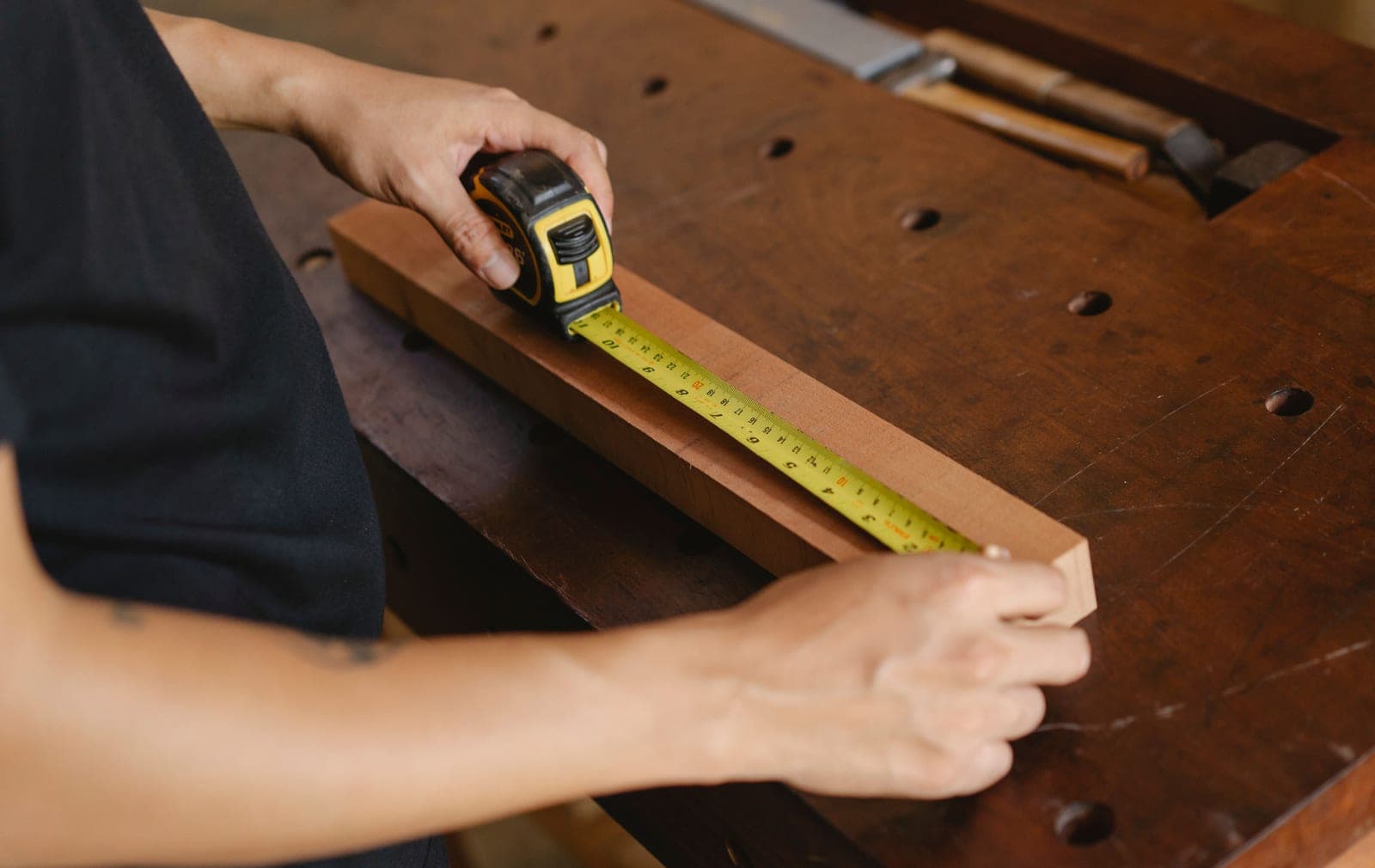
How much space one chicken needs
The per-bird floor figure by breed class and run access, with worked examples and the coops that actually meet it.
What a coop listing means by holds 6 chickens
How listing bird counts are constructed, the four ways they drift, and a thirty-second check that works on any product page.

Ventilation, not insulation
Why sealing a coop causes frostbite, where vents belong, and how to tell whether yours has enough.
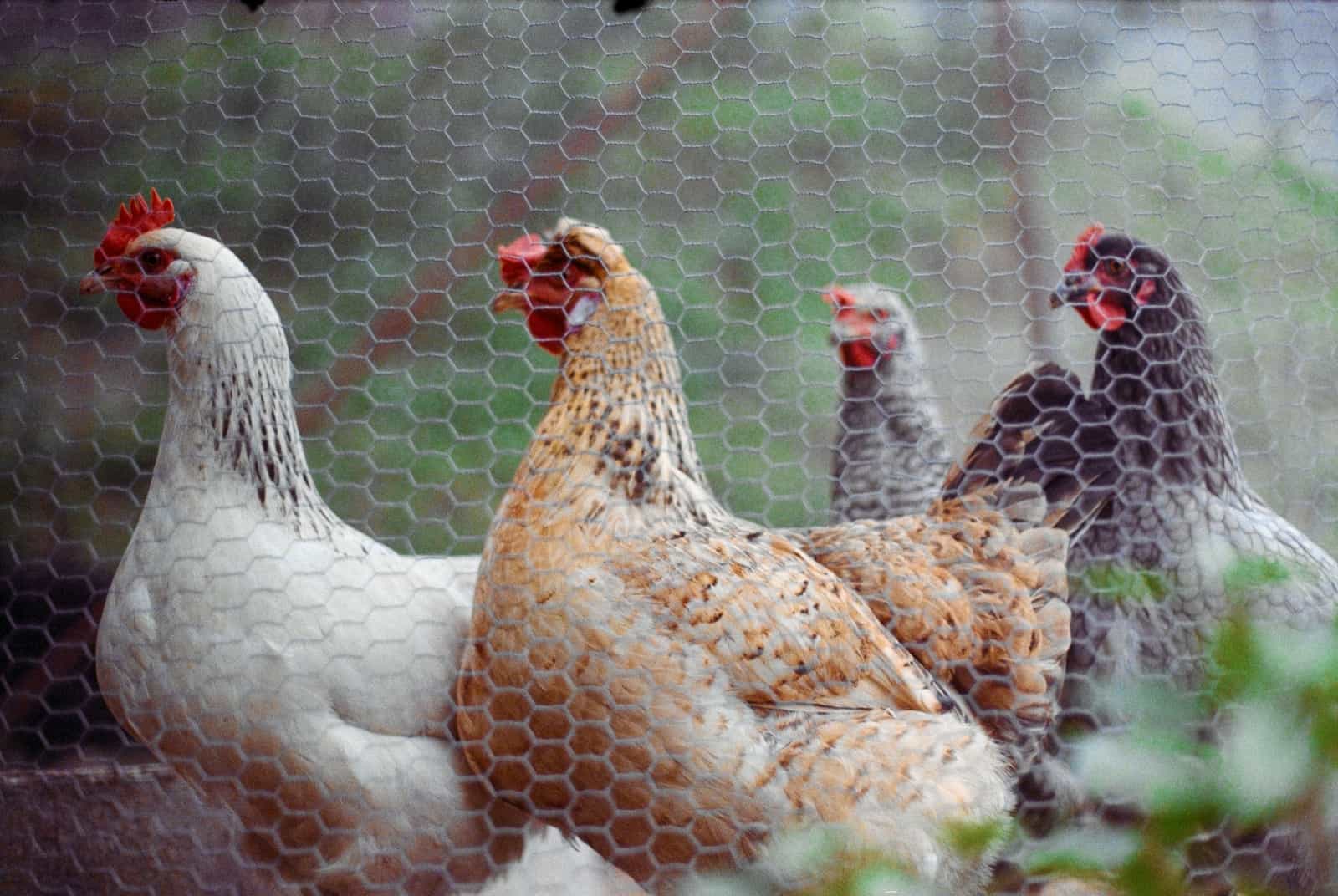
Predator-proofing a coop, step by step
The full walkthrough: mesh, latches and apron, with a materials list and the openings that get missed.
What a coop costs, beyond the listing price
The four costs that follow a coop purchase, and why the cheapest coop is usually the expensive one over a decade.