Predator-proofing, as numbers rather than adjectives
Half the listings in this category say predator-proof. Almost none of them state a mesh aperture, a wire gauge or a latch mechanism, which are the only three things that decide the outcome.
We have not handled these coops, and we do not pretend to have. Here is what we did instead. Links to Amazon earn us a commission at no extra cost to you - disclosure.
| # | Coop | Best for | Honest count | Price |
|---|---|---|---|---|
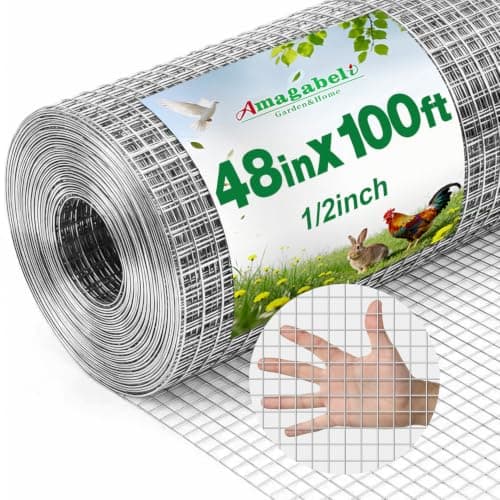
| 1 | 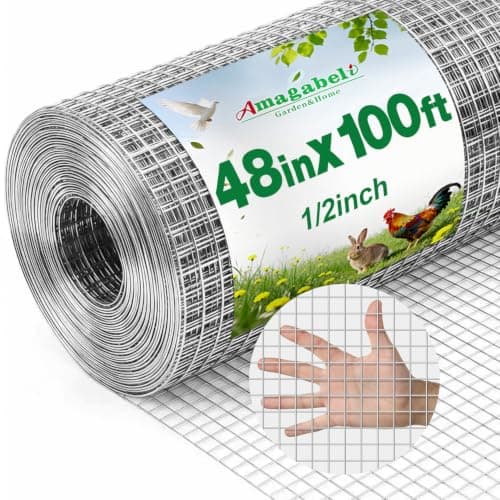 Amagabeli 1/2" Hardware Cloth, 48in x 100ftTop pickHalf-inch aperture, 19 gauge, hot-dipped galvanized after welding. This is the specification that actually keeps raccoons out. | The single most important predator purchase | not published | |
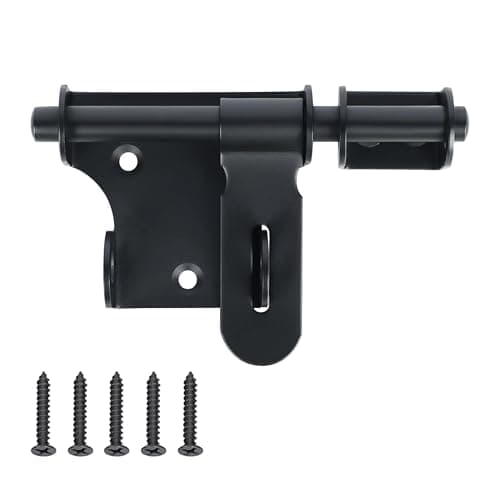
| 2 | 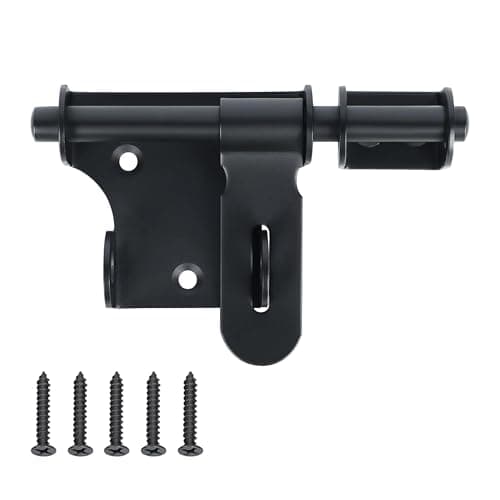 Alise 4in Slide Bolt Latch with Padlock HoleA slide bolt with a padlock hole. The padlock hole is the whole point - raccoons defeat simple bolts. | A latch a raccoon cannot work | not published | |
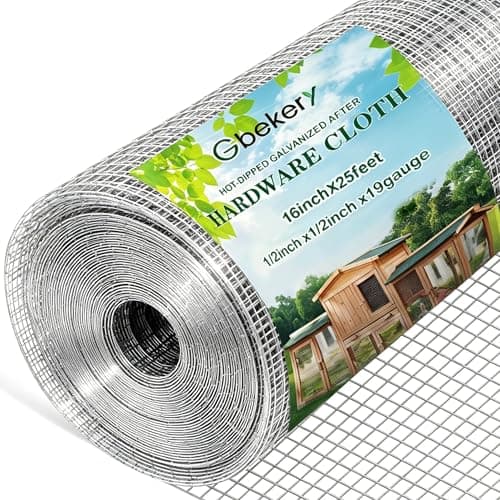
| 3 | 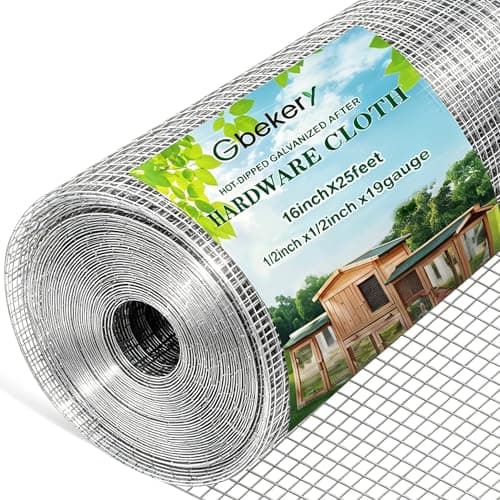 Gbekery 1/2" Hardware Cloth, 16in x 25ftSame half-inch, 19-gauge, galvanized-after-welding specification in a narrow roll - the right shape for a buried apron. | Aprons, skirts and patching | not published |
Predator loss is the most common way a first flock ends, and it almost never happens the way people expect. It is not a dramatic break-in. It is a raccoon reaching through a two-inch mesh aperture, a rat tunneling under a run wall, or a coop door that was never latched with anything a paw could not work.
The good news is that this is an engineering problem with three known answers, and all three are cheap relative to the coop. The bad news is that no coop in this category arrives with all three, and most arrive with none.
Weak point one: the mesh
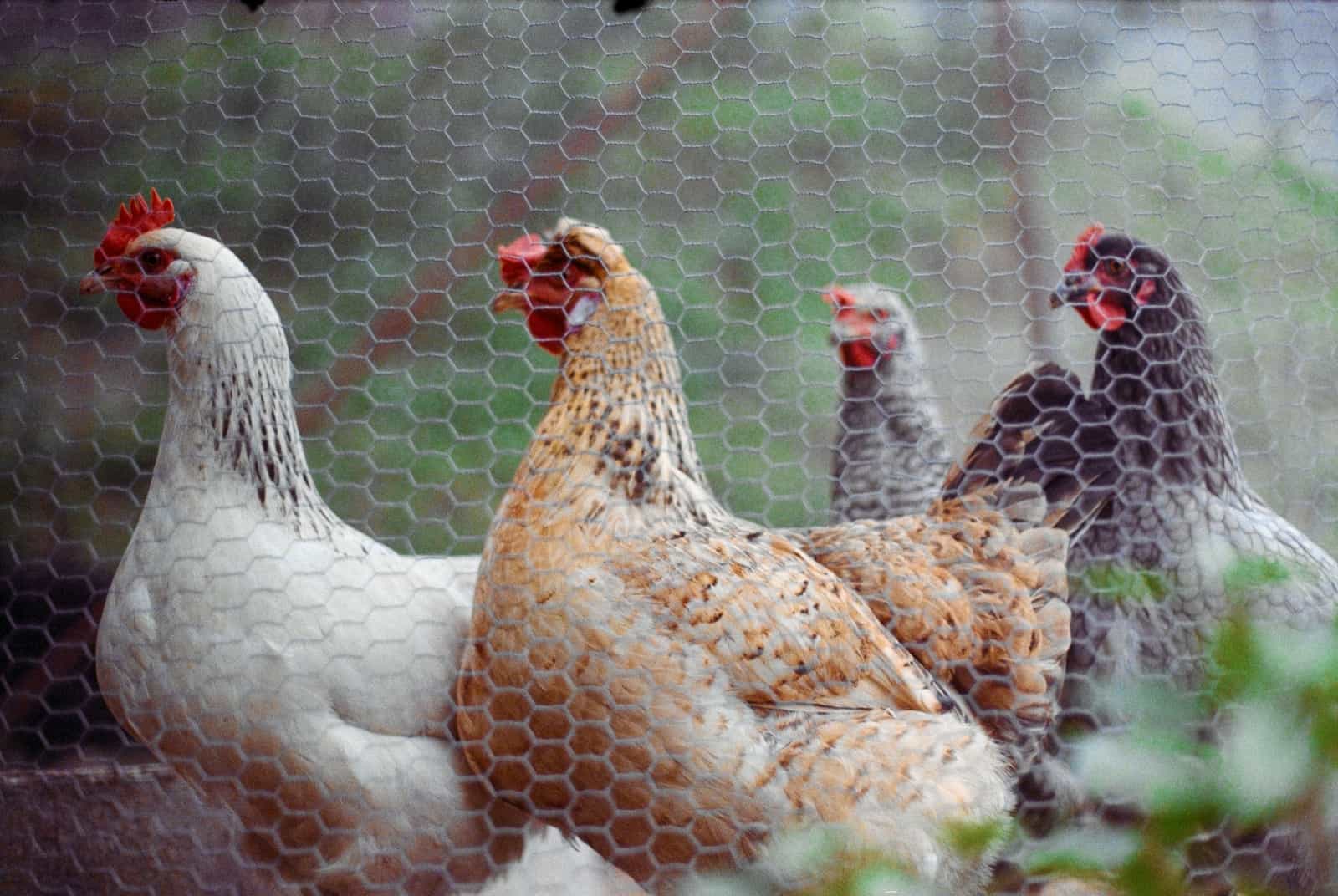
Chicken wire is a containment product. It is thin, it is woven rather than welded, and its hexagonal apertures are typically an inch or larger. It keeps chickens where they are, which is what it was designed for. It does not exclude a raccoon, which can tear it, and it does not exclude a weasel or a rat, which can pass straight through.
Half-inch hardware cloth is welded rather than woven, comes in 19 or 23 gauge in the useful sizes, and its aperture excludes anything larger than a mouse. It is the single most important purchase in coop security and it is what the whole of hardware cloth against chicken wire is about.
| Mesh | Typical aperture | Stops a raccoon reaching through | Stops a weasel or rat |
|---|---|---|---|
| Chicken wire (hex) | 1in or larger | No | No |
| Welded mesh, 1in x 2in | 1in x 2in | No | No |
| Hardware cloth, 1/2in | 0.5in | Yes | Yes |
| Hardware cloth, 1/4in | 0.25in | Yes | Yes, and excludes mice too |
Weak point two: the latch
Raccoons have dexterous forepaws and they are patient. A simple hook-and-eye, a spring clip or a turn button is a puzzle they solve. What they do not solve reliably is a fastening that needs two different motions at once, or one secured with a carabiner or a padlock through a hasp. That is the whole of the latch problem, and it is covered in detail here.
Weak point three: the ground
Foxes, dogs, skunks and rats dig. A run wall that stops at ground level is a wall with a door under it. The two answers are a buried perimeter, which is hard work, and a wire apron - hardware cloth laid flat on the ground extending outward about 12 inches from the wall and pinned down. The apron is easier, works at least as well, and disappears into the turf within a season. Digging predators has the method.
What comes for each predator
- Raccoon - reaches through mesh, works latches, climbs well. Beaten by half-inch cloth and a two-motion fastening. See raccoon-proofing a coop.
- Fox and loose dog - dig at the perimeter, and push at weak panels. Beaten by an apron and by solid framing.
- Weasel and mink - pass through anything larger than about an inch, including welded mesh sold as secure. Beaten by half-inch cloth, and only by that.
- Rat - tunnels under, and comes for feed rather than birds, but will take chicks and eggs. Beaten by an apron plus removing spilled feed at night.
- Hawk and owl - take birds from an uncovered run in daylight. Beaten by a covered run or netting overhead.
- Rat - comes for the feed rather than the birds, and takes eggs once settled. Beaten by denying feed and half-inch mesh. Rats in the coop.
- Snake - takes eggs and chicks through small gaps. Half-inch cloth stops most; quarter-inch stops the rest.
Products that actually fix these
Top pick · The single most important predator purchase
Amagabeli 1/2" Hardware Cloth, 48in x 100ft
Half-inch aperture, 19 gauge, hot-dipped galvanized after welding. This is the specification that actually keeps raccoons out.
What the numbers say
The manufacturer does not publish the dimensions this calculation needs, so we do not print a number.
Figures from Amagabeli published specifications (Amazon listing)
Half-inch aperture is the number that matters. A raccoon can reach through 1in mesh and a weasel walks through 1in chicken wire; half-inch stops both.
Galvanized AFTER welding, not before, is the second specification to check. Welding burns the coating off, so mesh galvanized beforehand rusts at every joint - which is exactly where it needs to hold.
19 gauge is the practical minimum for a coop perimeter. Thinner mesh sold as hardware cloth exists and bends open by hand.
Good
- Half-inch aperture excludes raccoons and weasels
- Hot-dipped galvanized after welding, so joints do not rust first
- 48in width covers most run walls in a single run
Not so good
- Cutting it is hard on the hands and on your snips
- 100ft is more than a small coop needs
- Edges are sharp and need capping or folding
Skip this if: only if you already have half-inch hardware cloth. Do not substitute chicken wire - it is a containment material, not a security one.
#ad · how this is funded · price as of October 17, 2026
Pick 2 · A latch a raccoon cannot work
Alise 4in Slide Bolt Latch with Padlock Hole
A slide bolt with a padlock hole. The padlock hole is the whole point - raccoons defeat simple bolts.
What the numbers say
The manufacturer does not publish the dimensions this calculation needs, so we do not print a number.
Figures from Alise published specifications (Amazon listing)
Raccoons have functional thumbs and genuinely do open simple slide bolts, hook-and-eyes and turn buttons. This is the most commonly underestimated failure point on a coop.
The padlock hole is what upgrades this from a catch to a lock. A carabiner through it is enough; it does not need an actual padlock.
Fit two on a large door - top and bottom - so the door cannot be flexed open at a corner.
Good
- Padlock hole defeats the raccoon problem
- Works with a carabiner, no key needed
- Steel construction rather than cast zinc
Not so good
- Needs a second one for a tall door
- Requires accurate fitting to slide freely after weathering
- Black finish will need touching up where it is scratched
Skip this if: your coop door already takes a padlock or a two-step latch. Otherwise this is the cheapest meaningful security upgrade you can make.
#ad · how this is funded · price as of October 17, 2026
Pick 3 · Aprons, skirts and patching
Gbekery 1/2" Hardware Cloth, 16in x 25ft
Same half-inch, 19-gauge, galvanized-after-welding specification in a narrow roll - the right shape for a buried apron.
What the numbers say
The manufacturer does not publish the dimensions this calculation needs, so we do not print a number.
Figures from Gbekery published specifications (Amazon listing)
A 16in width is awkward for walls and ideal for a predator apron: laid flat around the base of a run, it is exactly the skirt that stops digging.
Same specification that matters as the wide roll - half-inch aperture, 19 gauge, galvanized after welding.
25ft covers the perimeter of a small run without buying 100ft you will not use.
Good
- Right width for an apron or skirt
- Same protective specification as the wide roll
- Sensible quantity for a small coop
Not so good
- Too narrow to sheet a run wall efficiently
- 25ft goes quickly on anything large
- Still needs pinning down or burying
Skip this if: you are sheeting walls. Buy the 48in roll for that and use this width for the ground apron.
Where to go next
- Coops that are closest to secure out of the box
- Hardware cloth against chicken wire - gauge, aperture and how much you need
- Latches a raccoon cannot open
- Hawks, owls and the daylight problem - the one threat a locked coop does nothing about
- Weasels, mink and the aperture problem - why welded mesh sold as secure is not
- Rats in the chicken coop - the one that comes for the feed, not the birds
- Predator deterrent lights - what the published guidance says they buy you, and for how long
- How to predator-proof a coop, step by step
Questions people actually ask
+What is the best mesh for a chicken coop?
+Is chicken wire enough to protect chickens?
+How do I stop predators digging under a chicken run?
+What latch keeps raccoons out?
+Do I need to lock chickens in at night?
Sources
Read next
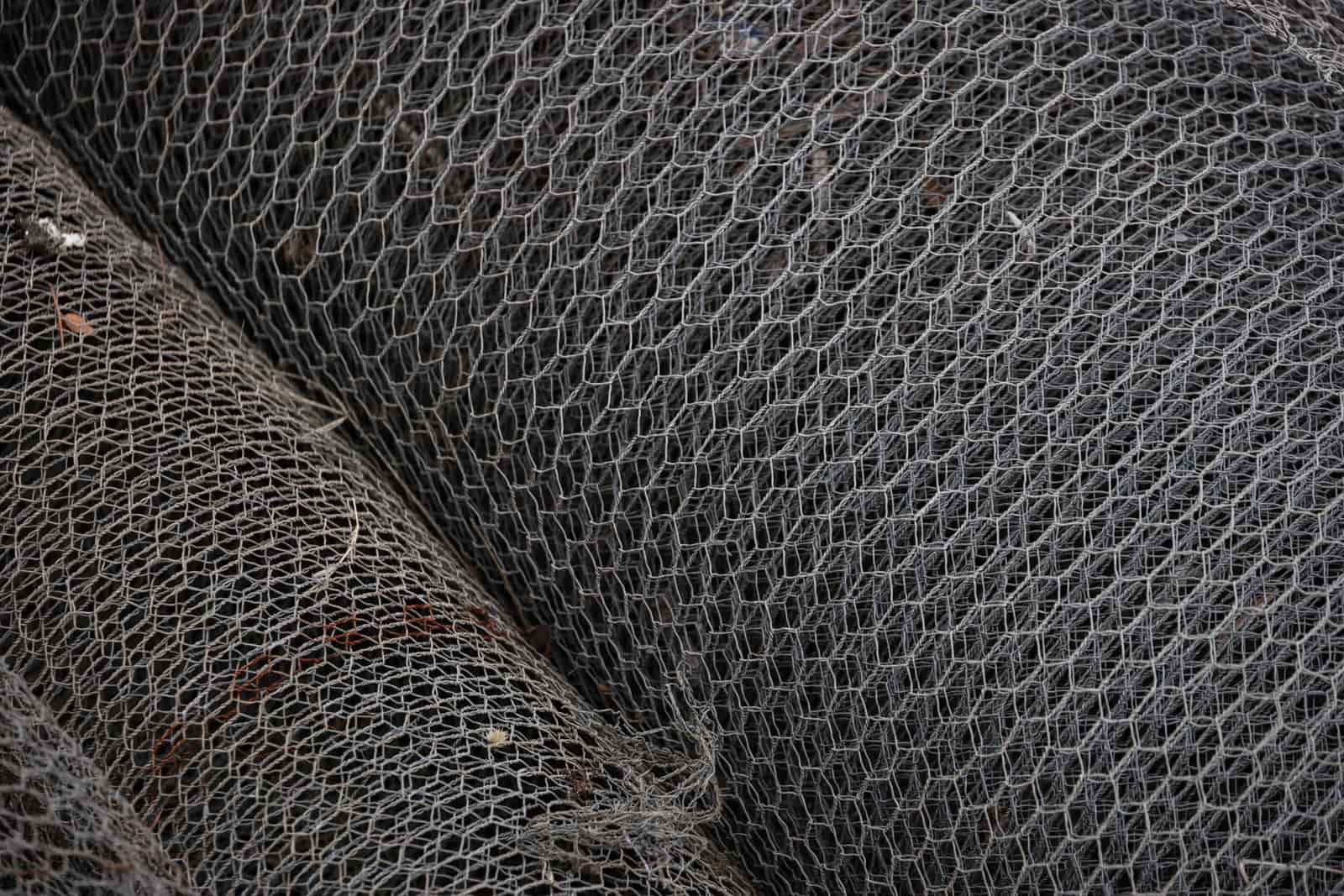
Hardware cloth against chicken wire
Why hexagonal chicken wire fails, what gauge and aperture to buy instead, and how many feet a typical coop actually needs.
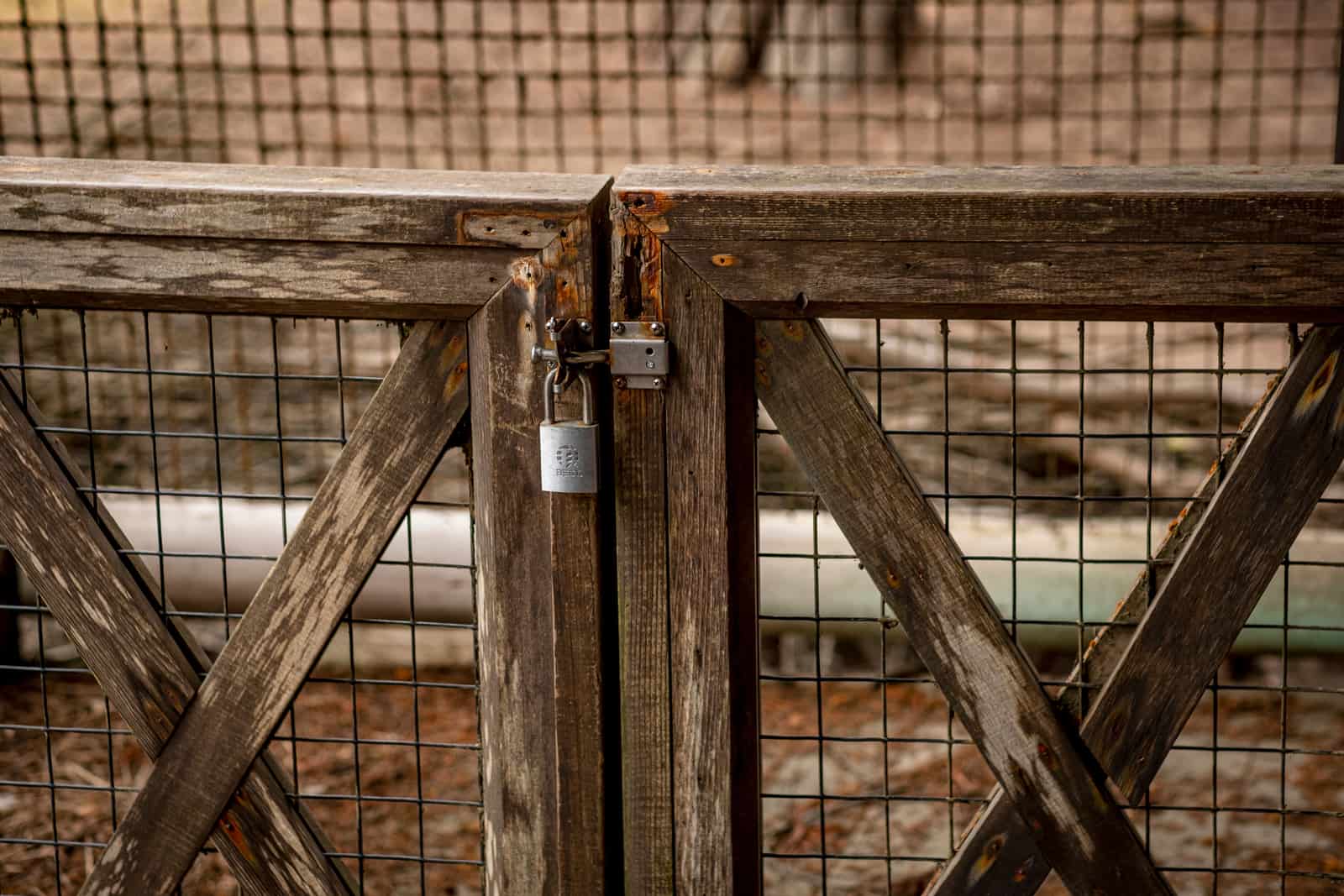
Latches a raccoon cannot open
Why hook-and-eye and spring catches fail, the two-motion principle that works, and where every coop needs a latch it did not ship with.

The closest thing to a predator-proof coop
The coops with the best security starting point, each listed with the exact upgrade it still requires before birds go in.
Raccoon-proofing a chicken coop
What a raccoon can actually do, the three fixes that stop it, and the openings people forget until the morning after.
Stopping predators that dig under the run
Why the apron beats a buried perimeter, how to lay one properly, and how much hardware cloth a typical run needs.
Predator-proofing a coop, step by step
The full walkthrough: mesh, latches and apron, with a materials list and the openings that get missed.