Turning a shed into a chicken coop
A shed already solves the problem every kit coop fails - floor area. What it needs is mesh, ventilation, roost and nests, in that order.
We have not handled these coops, and we do not pretend to have. Here is what we did instead. Links to Amazon earn us a commission at no extra cost to you - disclosure.

| # | Coop | Best for | Honest count | Price |
|---|---|---|---|---|
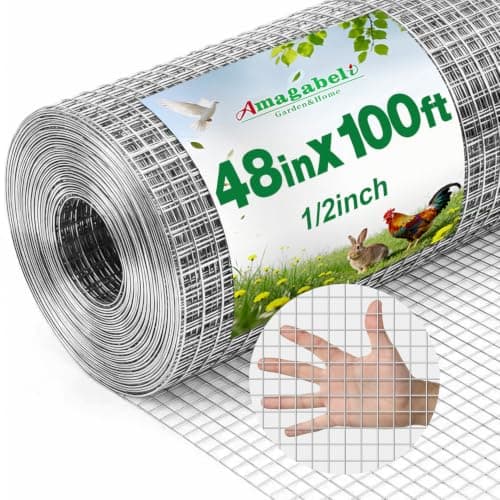
| 1 | 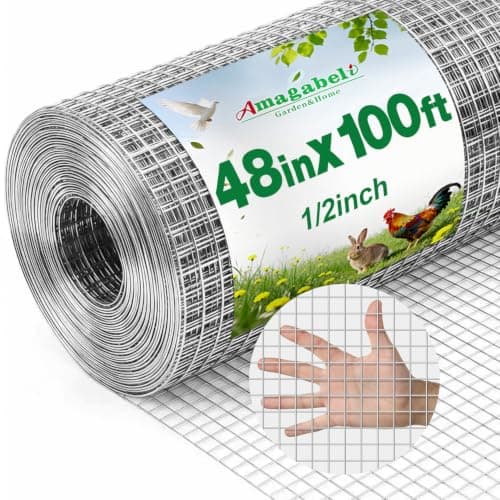 Amagabeli 1/2" Hardware Cloth, 48in x 100ftTop pickHalf-inch aperture, 19 gauge, hot-dipped galvanized after welding. This is the specification that actually keeps raccoons out. | The single most important predator purchase | not published | |
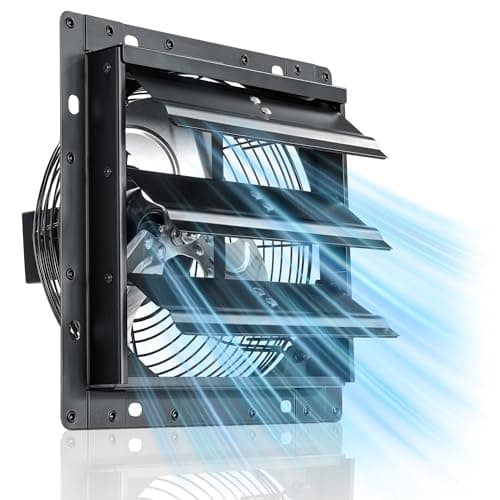
| 2 | 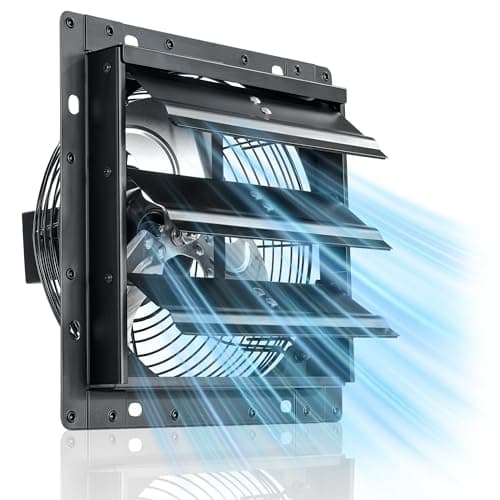 Generic 8in Shutter Exhaust Fan, 760 CFM760 CFM through an 8in shuttered opening. For hot climates this does more for the flock than any heater ever will. | Hot-climate summer ventilation | not published | |
| 3 | 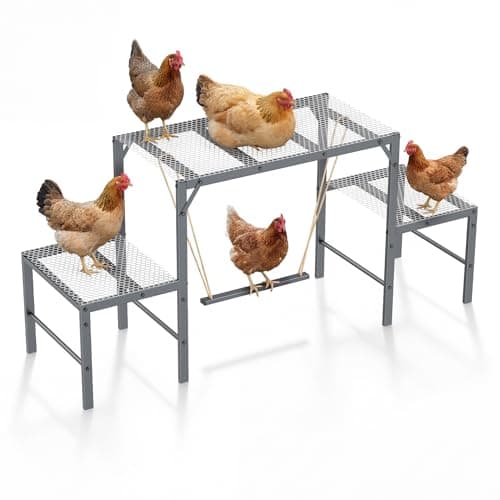 Magicfly Chicken Perch and Roosting Bar57.5in of metal roosting bar. Roost length is the spec people forget, and it is 8in per standard hen. | Adding roost length without carpentry | not published | |
| 4 | 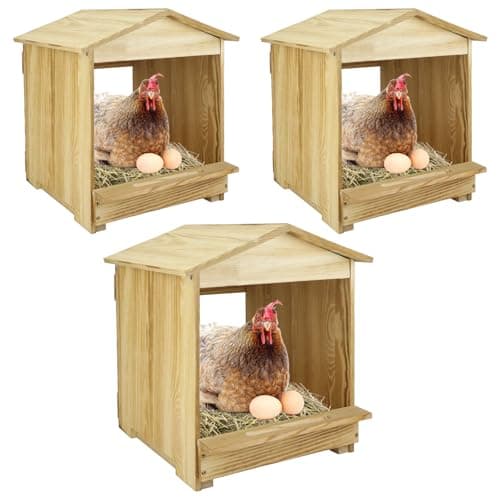 Generic 3-Compartment Wall-Mount Nesting BoxThree compartments, wall-mounted. At the published one-box-per-four-hens figure that covers a twelve-bird flock. | Twelve hens' worth of boxes | not published | |
| 5 | 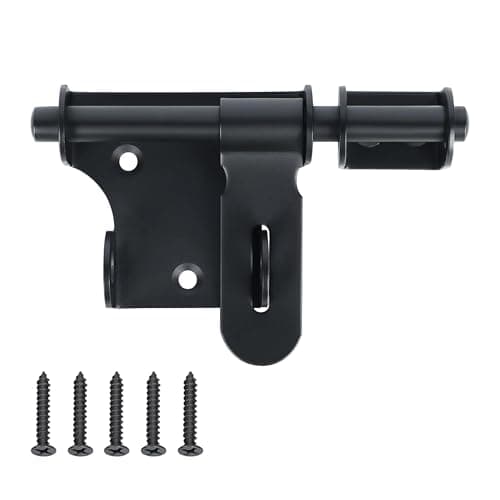 Alise 4in Slide Bolt Latch with Padlock HoleA slide bolt with a padlock hole. The padlock hole is the whole point - raccoons defeat simple bolts. | A latch a raccoon cannot work | not published | |
| 6 | 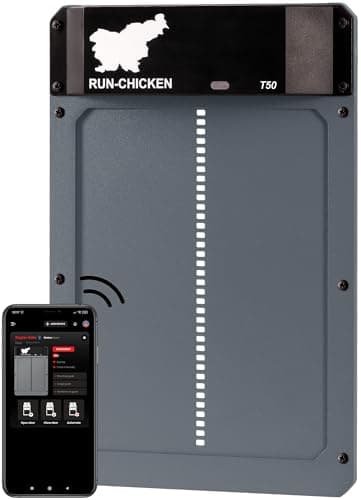 RUN-CHICKEN Door T50 Automatic OpenerBattery-powered aluminum with app and timer control. The one automatic door here that does not depend on winter sun. | The door that just keeps working | not published |
Most pages on this site are about the gap between what a coop claims and what it measures. This one is about the one structure in a normal backyard where that gap does not exist, because nobody sells a shed by telling you how many chickens it holds.
Why a shed wins on the only figure that matters
University of Minnesota Extension publishes 3 to 5 square feet of indoor space per bird; we use 4 for standard hens. Penn State's housing table is more generous at 2 square feet for a large chicken. On either figure a small garden shed is in a different class from the kit market.
| Structure | Floor area | Hens at 4 sq ft | Hens at Penn State's 2 sq ft |
|---|---|---|---|
| 4ft x 6ft shed | 24 sq ft | 6 | 12 |
| 6ft x 8ft shed | 48 sq ft | 12 | 24 |
| 8ft x 10ft shed | 80 sq ft | 20 | 40 |
| Largest wooden kit coop in our registry | 59.5 sq ft whole-unit | 14 | 29 |
| Typical coop listed for 10 hens | 15.2 sq ft whole-unit | 3 | 7 |
The last row is the point. A shed you may already own clears the floor area of a coop that would cost several hundred dollars and claim three times what it holds. The conversion cost is the five items below, and it is lower than the coop.
What a shed does not have, in the order it matters
- Secure openings. Penn State is explicit: windows and doors must be securely covered with heavy-gauge mesh wire or screening when opened. A shed window is glass or nothing, and a shed vent is an open hole.
- Ventilation sized for birds. Penn State again: ample air movement without a draft is essential, and dampness or ammonia build-up is the sign there is not enough for the number of birds inside.
- Roost bar. Penn State publishes 6 inches per standard bird, roosts a foot apart and 18 to 24 inches above the floor; we use 8 inches as the conservative figure.
- Nest boxes. Penn State publishes nests at least 12in by 12in, at least 2 feet off the ground and at least 4 feet away from the roosts, with two nests for the first four hens and one for every four after that.
- A pop door, so the birds can come and go without the human door being open.
The floor is the decision nobody plans for
A shed floor is usually bare plywood on bearers, and plywood under daily droppings is the same failure as a kit coop's base rail, just slower. Penn State's own recommendation for a poultry building is a concrete floor with the wall starting on one or two concrete blocks, specifically to keep out rodents, snakes and predators, and to slope the floor slightly toward the door to prevent puddling.
If pouring concrete is not on the table - and in a shed conversion it rarely is - the next best thing is a continuous non-absorbent covering over the plywood. Coop floor coverings is the page for that, including why adhesive-backed vinyl is the wrong kind.
Where to cut the openings
Position decides whether a vent is ventilation or a draft, and Penn State's wording is the test: ample air movement without a draft is essential. In practice that means the air has to leave above the birds rather than across them.
- High and low, on opposite walls. Moist warm air leaves through the high opening, replacement air enters low, and nothing blows over a roosting bird. A single opening at bird height is the one arrangement to avoid.
- Above roost height for the outlet. Penn State puts roosts 18 to 24 inches above the floor, so the high vent wants to be well clear of that - near the eaves rather than halfway up the wall.
- Under the eave or in a gable where the roof already overhangs, so rain does not come in with the air.
- Mesh every one of them. Penn State: windows and doors must be securely covered with heavy-gauge mesh wire or screening when opened. A vent is an opening whatever you call it.
- Pop door low, on the sheltered side, sized for the bird rather than for the person - and clear of the prevailing wind.
A shed window is worth keeping as a window. Light matters for laying, and an openable window that is screened on the inside with half-inch hardware cloth gives you summer airflow you can shut in February, which is a better arrangement than a fixed vent sized for one season.
What changes by shed material
| Shed | Ventilation job | Floor job | Mesh job |
|---|---|---|---|
| Timber, shiplap or tongue and groove | Cut two vents; the structure breathes a little by itself | Plywood floor needs a sealed covering | Mesh windows and vents; staple into solid timber |
| Timber with a felt roof | As above, plus check the roof edge for daylight gaps | Same | Same, plus close the roof-edge gaps |
| Metal | Primary job - no breathability at all, so vent area and a fan carry everything | Metal floor or bare ground; a tray or mat rather than a sealed sheet | Rivet or bolt mesh; staples have nothing to bite |
| Resin or plastic | Primary job, same as metal | Moulded floor is already non-absorbent | Bolt through with washers; the panels flex |
| Concrete-floored outbuilding | Cut vents as for timber | Already Penn State's recommended floor - nothing to do | Mesh openings; block the wall base if there is a gap |
The last row is the best starting point anyone can have, and it is worth knowing that is what you have. Penn State's recommendation for a poultry building is a concrete floor with the wall starting on one or two concrete blocks, to keep out rodents, snakes and predators - and if the shed already sits on a slab, the single most expensive part of a purpose-built coop is already done.
What we are not telling you to do
We are not going to specify a vent area in square inches per bird, because no source we cite publishes one for backyard coops. Penn State gives the qualitative test instead - dampness and ammonia build-up mean not enough - and that is a test you can run in your own shed with your own nose, which is more useful than a number we would be inventing.
We also have not converted a shed, and nothing on this page is a report of doing it. Every figure here is a published extension figure or arithmetic on a published dimension.
How we judged these picks
- Does it address one of the five things a shed lacks, in that priority order.
- Does it cover a shed-sized structure rather than a kit coop - roll length and fan throughput both scale differently at 48 square feet.
- Is it a retrofit, since the whole premise here is a structure that already exists.
- Published specification over appearance, as everywhere else on this site.
The five buys, plus the one that is optional
Top pick · The single most important predator purchase
Amagabeli 1/2" Hardware Cloth, 48in x 100ft
Half-inch aperture, 19 gauge, hot-dipped galvanized after welding. This is the specification that actually keeps raccoons out.
What the numbers say
The manufacturer does not publish the dimensions this calculation needs, so we do not print a number.
Figures from Amagabeli published specifications (Amazon listing)
Half-inch aperture is the number that matters. A raccoon can reach through 1in mesh and a weasel walks through 1in chicken wire; half-inch stops both.
Galvanized AFTER welding, not before, is the second specification to check. Welding burns the coating off, so mesh galvanized beforehand rusts at every joint - which is exactly where it needs to hold.
19 gauge is the practical minimum for a coop perimeter. Thinner mesh sold as hardware cloth exists and bends open by hand.
Good
- Half-inch aperture excludes raccoons and weasels
- Hot-dipped galvanized after welding, so joints do not rust first
- 48in width covers most run walls in a single run
Not so good
- Cutting it is hard on the hands and on your snips
- 100ft is more than a small coop needs
- Edges are sharp and need capping or folding
Skip this if: only if you already have half-inch hardware cloth. Do not substitute chicken wire - it is a containment material, not a security one.
#ad · how this is funded · price as of October 17, 2026
Pick 2 · Hot-climate summer ventilation
Generic 8in Shutter Exhaust Fan, 760 CFM
760 CFM through an 8in shuttered opening. For hot climates this does more for the flock than any heater ever will.
What the numbers say
The manufacturer does not publish the dimensions this calculation needs, so we do not print a number.
Figures from Generic published specifications (Amazon listing)
Heat kills far more backyard birds than cold does. A fan is the hot-climate equivalent of a coop heater, and it is more often the right purchase.
The shutter matters: it closes when the fan is off, so the same opening is not a winter draft.
760 CFM is generous for a backyard coop, which means it can run at lower speed and quieter for the same effect.
Good
- Shutter closes off the opening when not running
- Generous airflow for a backyard-sized coop
- Plug-and-play rather than hard-wired
Not so good
- Needs mains power at the coop
- Cutting an 8in opening is irreversible
- Dust needs clearing off the blades periodically
Skip this if: your summers are mild or your coop is well shaded and cross-ventilated. Passive ventilation solves most cases without a fan.
#ad · how this is funded · price as of October 17, 2026
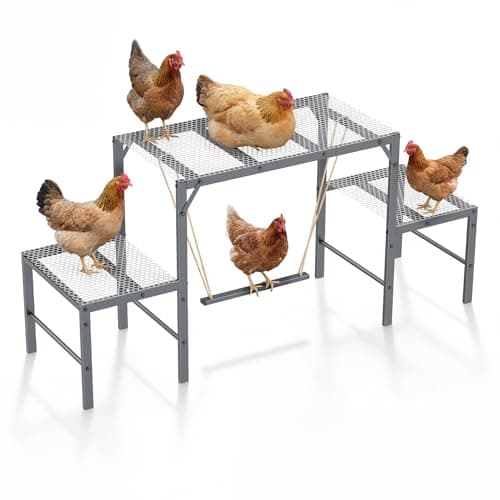
Pick 3 · Adding roost length without carpentry
Magicfly Chicken Perch and Roosting Bar
57.5in of metal roosting bar. Roost length is the spec people forget, and it is 8in per standard hen.
What the numbers say
The manufacturer does not publish the dimensions this calculation needs, so we do not print a number.
Figures from Magicfly published specifications (Amazon listing) · 57.48"L x 16.92"W x 26.96"H · Metal
57.5 inches of bar is roughly seven standard hens at the 8in-per-bird figure our calculator uses.
Roost space is the constraint people discover in winter, when birds huddle and the ones pushed off the bar sleep in the nest boxes - which is how you end up with dirty eggs.
Freestanding, so it works in a coop where you cannot easily fix a bar to the walls.
Good
- Adds real roost length with no carpentry
- Freestanding, so no wall fixing needed
- Metal will not harbor mites the way rough timber does
Not so good
- Takes up floor area you may not have
- Metal bars are colder underfoot than timber
- Not adjustable in height
Skip this if: your coop already has adequate roost length. Work it out first at 8in a bird - our calculator prints the figure.
#ad · how this is funded · price as of October 17, 2026
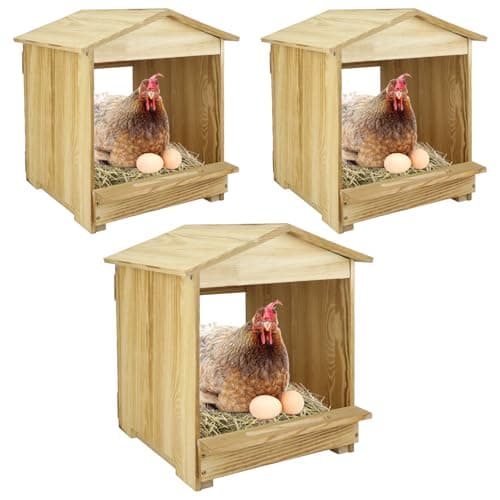
Pick 4 · Twelve hens' worth of boxes
Generic 3-Compartment Wall-Mount Nesting Box
Three compartments, wall-mounted. At the published one-box-per-four-hens figure that covers a twelve-bird flock.
What the numbers say
The manufacturer does not publish the dimensions this calculation needs, so we do not print a number.
Figures from Generic published specifications (Amazon listing)
One nest box per four hens is the published guidance, so three boxes covers twelve birds. Most coops here ship with more boxes than their floor area justifies.
Wall-mounting is what recovers floor area - an external or wall-hung box keeps the coop floor for standing and roosting.
Hens queue for a favorite box regardless of how many you provide. Adding boxes past the guidance does not stop that; it just adds cleaning.
Good
- Wall mounting keeps floor area free
- Three boxes suits a flock up to twelve
- Simple to retrofit to an existing coop
Not so good
- Needs a sound wall to carry the weight
- Wooden boxes need liners or pads to stay clean
- Fixed compartment size
Skip this if: you keep four hens or fewer. One box is genuinely enough, and you would be cleaning three.
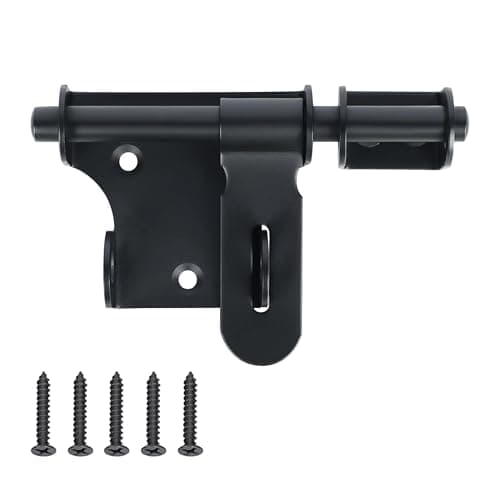
Pick 5 · A latch a raccoon cannot work
Alise 4in Slide Bolt Latch with Padlock Hole
A slide bolt with a padlock hole. The padlock hole is the whole point - raccoons defeat simple bolts.
What the numbers say
The manufacturer does not publish the dimensions this calculation needs, so we do not print a number.
Figures from Alise published specifications (Amazon listing)
Raccoons have functional thumbs and genuinely do open simple slide bolts, hook-and-eyes and turn buttons. This is the most commonly underestimated failure point on a coop.
The padlock hole is what upgrades this from a catch to a lock. A carabiner through it is enough; it does not need an actual padlock.
Fit two on a large door - top and bottom - so the door cannot be flexed open at a corner.
Good
- Padlock hole defeats the raccoon problem
- Works with a carabiner, no key needed
- Steel construction rather than cast zinc
Not so good
- Needs a second one for a tall door
- Requires accurate fitting to slide freely after weathering
- Black finish will need touching up where it is scratched
Skip this if: your coop door already takes a padlock or a two-step latch. Otherwise this is the cheapest meaningful security upgrade you can make.
#ad · how this is funded · price as of October 17, 2026
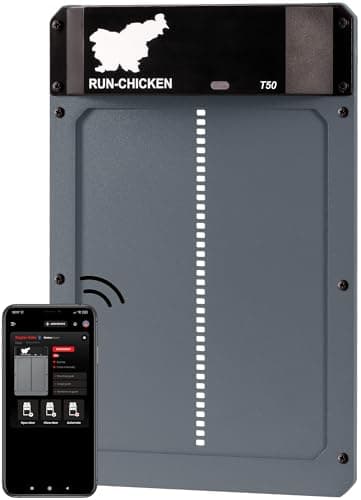
Pick 6 · The door that just keeps working
RUN-CHICKEN Door T50 Automatic Opener
Battery-powered aluminum with app and timer control. The one automatic door here that does not depend on winter sun.
What the numbers say
The manufacturer does not publish the dimensions this calculation needs, so we do not print a number.
Figures from RUN-CHICKEN published specifications (Amazon listing) · 13.8"L x 9.4"W x 1.3"H · Aluminum
Battery rather than solar is the important choice. A solar door's worst performance and your longest nights arrive in the same week, which is exactly when a door failing open costs you a flock.
Aluminum construction rather than plastic matters at the door itself, because this is the part a raccoon works at.
App and timer control both present, so it works whether or not you want it on your phone.
Good
- Battery power is unaffected by December daylight
- Aluminum door rather than plastic
- Timer and app control both supported
Not so good
- Batteries need replacing on a schedule you must remember
- Costs more than the solar units
- Opening size fixed by the unit
Skip this if: you have no way to check on it. Any automatic door needs an occasional look; a battery one needs its cells thought about before winter.
#ad · how this is funded · price as of October 17, 2026
The automatic door is last on purpose. It is the upgrade with the biggest effect on daily life and it is also the only item here the conversion works without.
Where to go next
- Coop floor coverings - what to put over shed plywood
- Ventilation, not insulation - the full argument, which matters more in a sealed structure
- Build or buy a chicken coop - the free published plans, if there is no shed to convert
- Automatic chicken coop doors - fitting a pop door to a structure that has none
Questions people actually ask
+Can you use a shed as a chicken coop?
+How many chickens fit in a 6x8 shed?
+Can you turn a metal or resin shed into a chicken coop?
+What do you put on the floor of a shed chicken coop?
+Is a shed warmer than a chicken coop in winter?
Sources
- Penn State Extension - Small-scale poultry housing
- University of Minnesota Extension - Raising chickens for eggs (3-5 sq ft indoor space per bird; one nest box per 4-5 birds)
- Penn State Extension - Successfully raising a small flock of laying chickens (never mix different species in the same flock; 2 sq ft of indoor space per bird; 6 inches of roost per bird; 3 inches of feed space per bird; two nests for the first four hens, then one per four more; limit drafts and moisture)
- eXtension Small and Backyard Poultry - Housing design for small and backyard poultry flocks (links free published plans from LSU AgCenter, University of Wisconsin and University of Kentucky)
Read next

Chicken coop flooring, and what the bedding sits on
Coop floor coverings, judged on whether water can get under them. Almost none are sold for poultry, which is itself the finding.
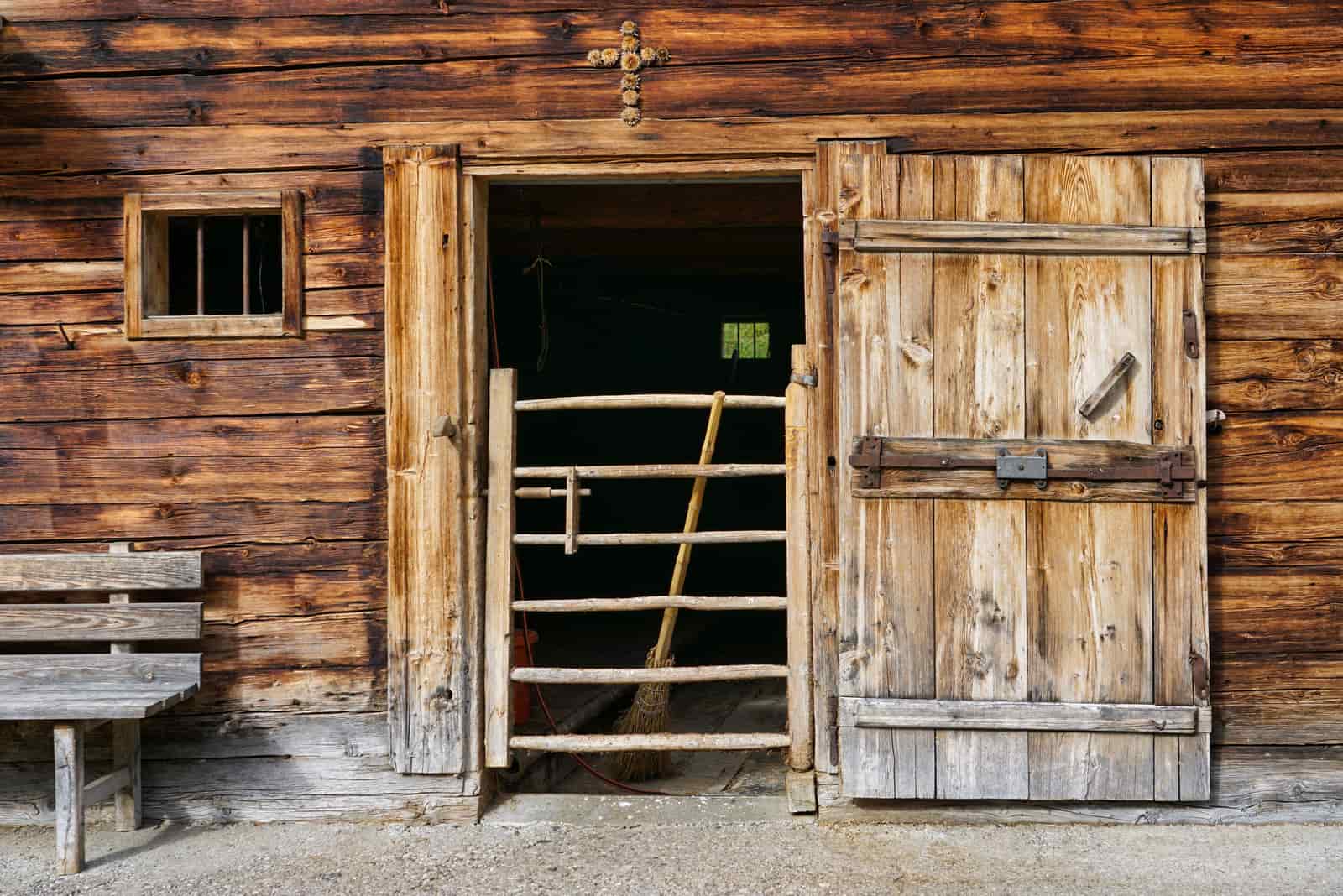
Ventilation, not insulation
Why sealing a coop causes frostbite, where vents belong, and how to tell whether yours has enough.
Build or buy a chicken coop
The build-versus-buy decision judged on floor area, time and skill rather than sticker price - with the free published plans nobody mentions.
Automatic chicken coop doors
Automatic pop doors compared on trigger, power source, opening size and what happens when it is 10 degrees out.
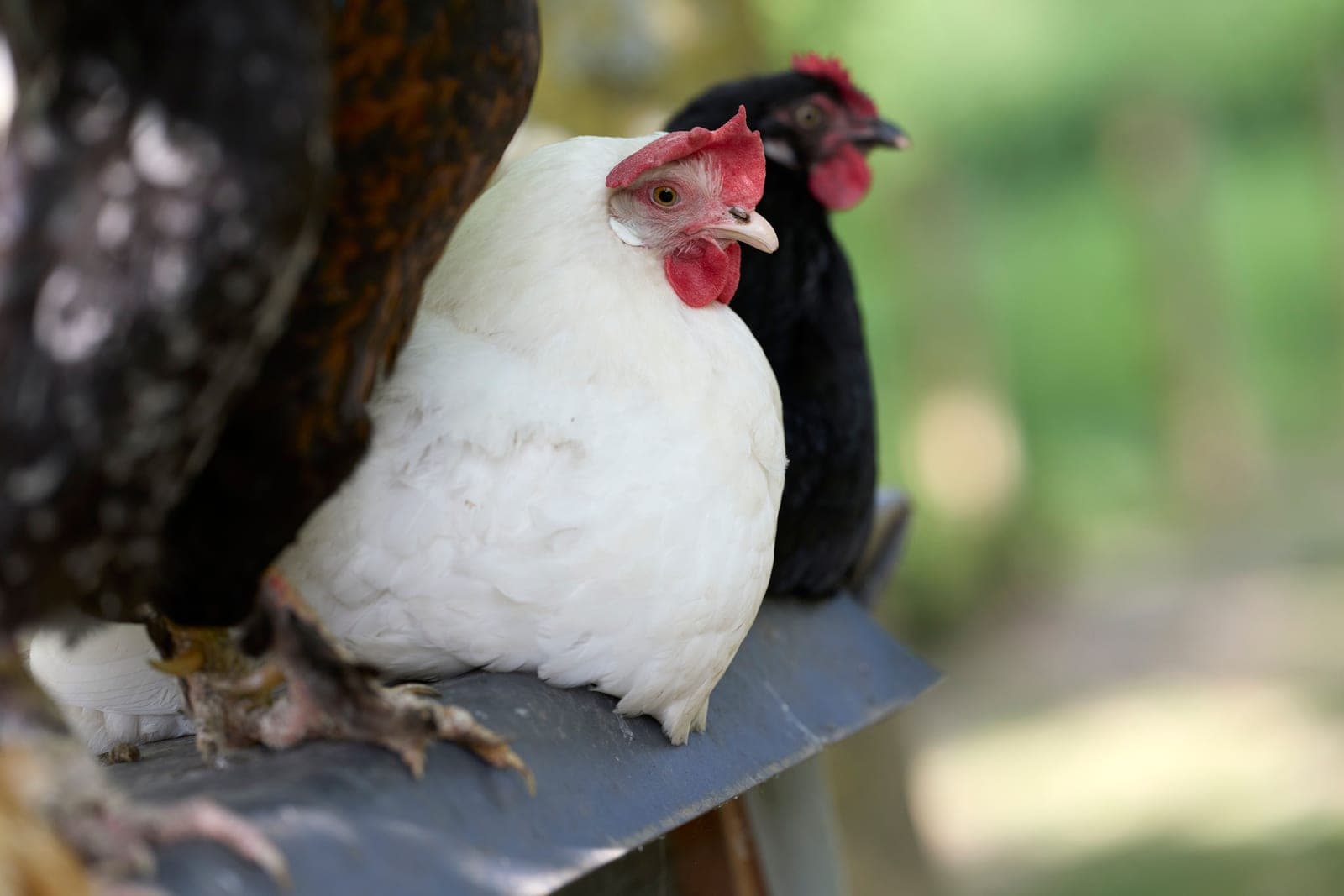
Roost bar length, height and shape
Per-bird bar length by breed, the flat-versus-round question, mounting height, and how to add bar without carpentry.
Hardware cloth against chicken wire
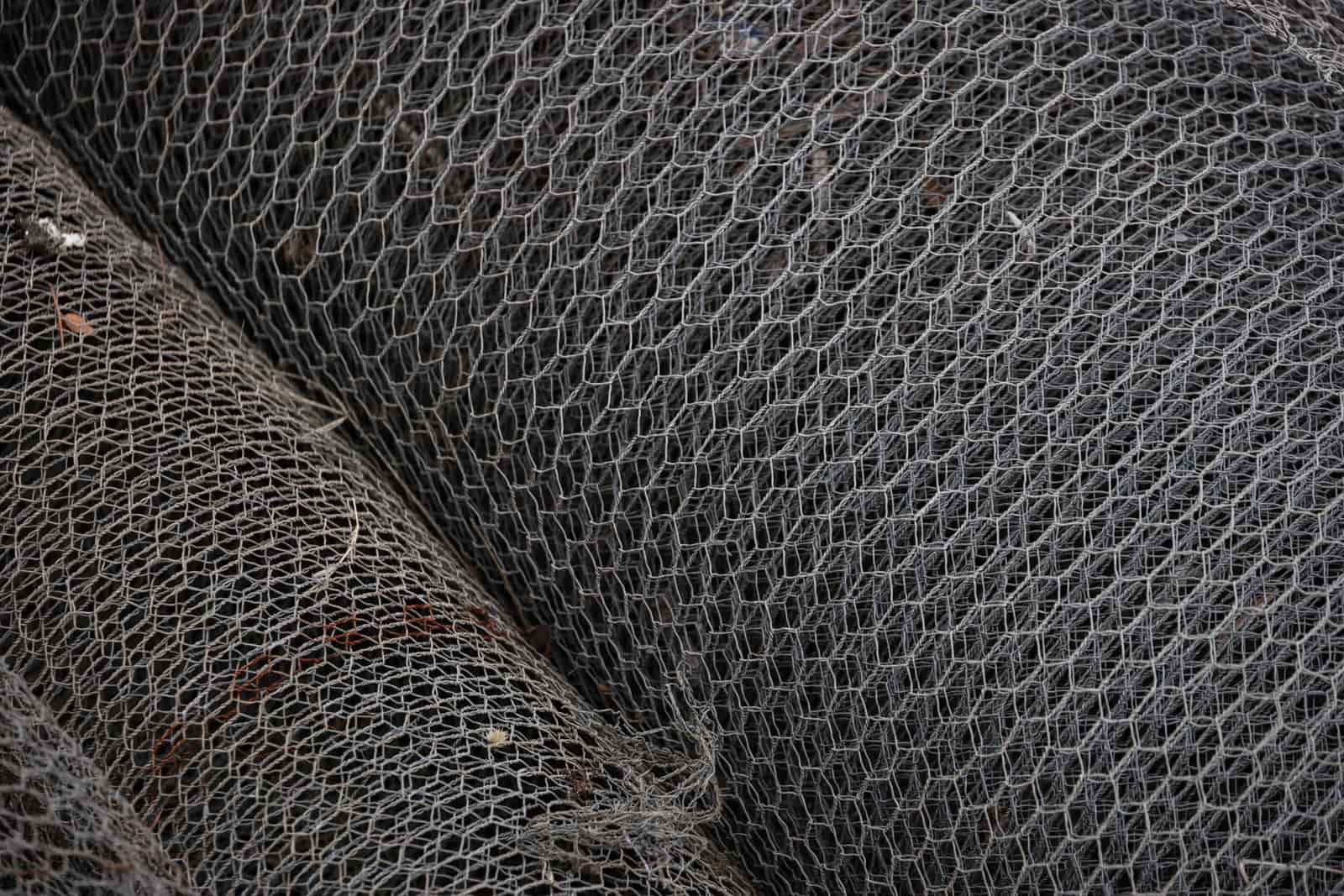
Why hexagonal chicken wire fails, what gauge and aperture to buy instead, and how many feet a typical coop actually needs.