Permits, zoning and the questions to ask first
Rules on backyard flocks are set locally and vary street by street. This is the checklist, not the answer - the answer is only available from your own jurisdiction.

This page cannot tell you whether you can keep chickens, and any page that claims to is guessing. Rules are made by municipalities and counties, they change, and a homeowners association can restrict further than the city does. What we can give you is the list of questions, so one phone call settles it.
The five questions
- Are backyard hens permitted at this address, and under which section of the code? Ask for the citation - it makes every later conversation shorter.
- What is the maximum number of birds? Limits of four, six or eight are common, and some jurisdictions scale the limit to lot size.
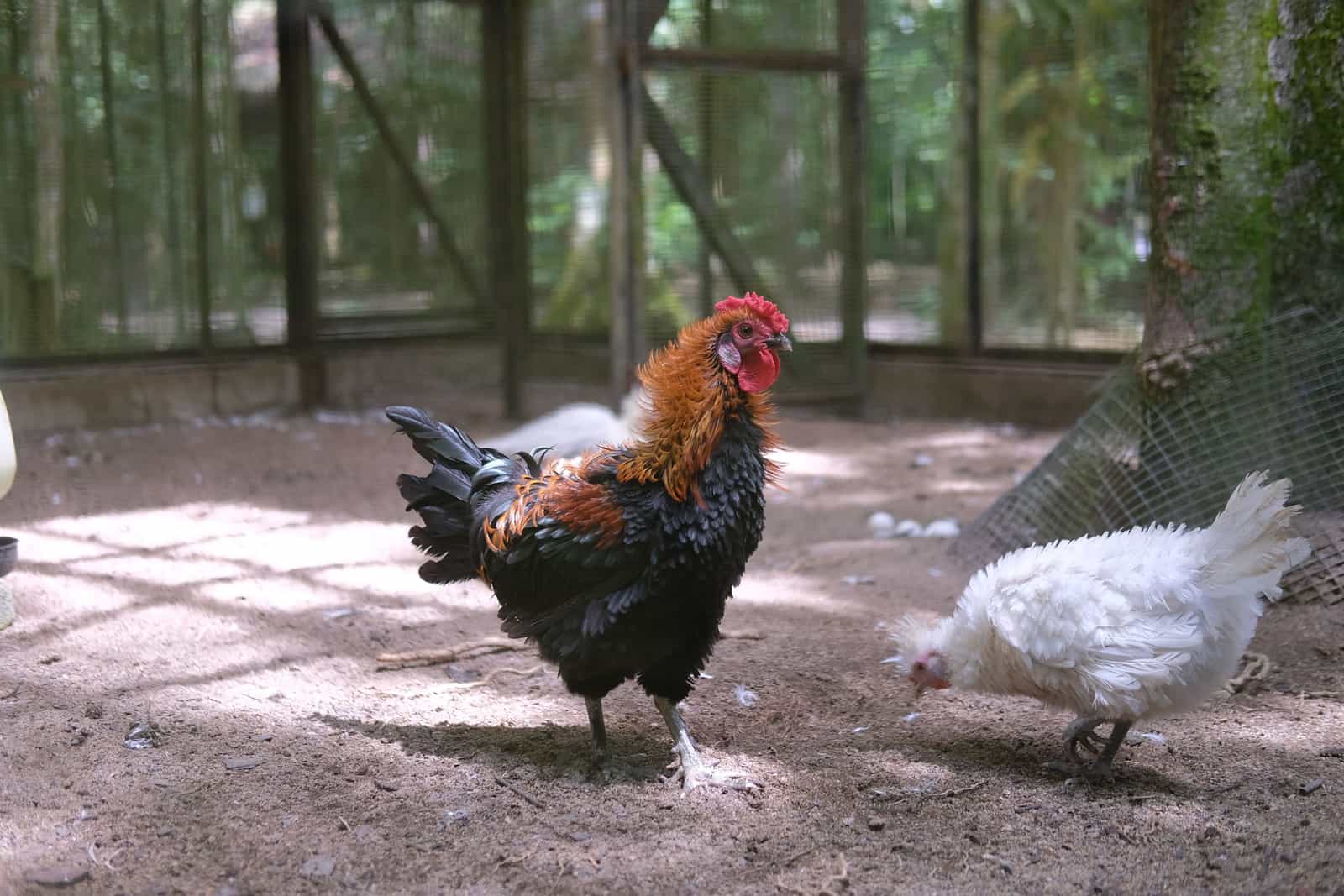
- Are roosters permitted? Frequently not, and this is the most common restriction of all. It matters if you are buying straight-run chicks.
- What setback is required? Coops are often required to sit a minimum distance from property lines, from your own dwelling and from neighboring dwellings - and the third of those can be the binding one on a narrow lot.
- Is a permit, registration or inspection required, and does the coop count as an accessory structure that needs its own approval above a certain size?
Who to ask
- Your city or town planning or zoning department. This is the authoritative source and usually the fastest.
- The county, if you are outside city limits.
- Your HOA, if you have one. HOA covenants can prohibit what the city permits, and they are enforced privately rather than by the city.
- Your landlord, if you rent. A lease can prohibit livestock regardless of the zoning.
- Your state extension service, which often maintains plain-language summaries of local poultry rules and is a genuinely useful starting point.
The neighbor question
Not a legal requirement, and worth doing anyway. Most complaints about backyard flocks are about noise, smell and rodents, and all three are management problems with good answers. Telling neighbors ahead of time, keeping the coop clean, storing feed in sealed metal bins and not keeping a rooster prevents nearly all of it. Eggs help too.
Siting decisions that follow from the rules
Once you know your setbacks, the siting decision gets much simpler - and the other constraints are drainage, sun, wind and your own access. Those are covered on where to put a coop, and it is worth reading before you settle on a location, because a coop in a wet corner is a problem no amount of good husbandry fixes.
This page is general information about how to find your local rules, not legal advice, and it is not a substitute for asking your own jurisdiction.
Questions people actually ask
+Do I need a permit to build a chicken coop?
+How far does a chicken coop have to be from a property line?
+Can my HOA stop me keeping chickens?
+Are roosters allowed in cities?
Sources
Why there is nothing to buy here: Zoning is jurisdiction-specific legal information, and there is no product that answers it. Attaching a coop recommendation to a page about local ordinances would be a distraction from the only useful action here, which is calling your own planning department.
Read next

Where to put the coop
The siting order that matters - drainage, sun, wind, access - and the mistakes that no amount of good husbandry fixes.
Guides, and the arithmetic behind them
The reference library: sizing arithmetic, ventilation, predator-proofing, bedding, cost and the permits nobody checks first.

How much space one chicken needs
The per-bird floor figure by breed class and run access, with worked examples and the coops that actually meet it.
What a coop costs, beyond the listing price
The four costs that follow a coop purchase, and why the cheapest coop is usually the expensive one over a decade.
Chicken coops, sized by the tape measure
The main hub: flock-size roundups from four hens to twenty, each with the capacity arithmetic shown.