Coop bedding, judged on moisture
Bedding has one job that matters: absorbing water and letting it evaporate. Price per bag is the least useful way to compare it.
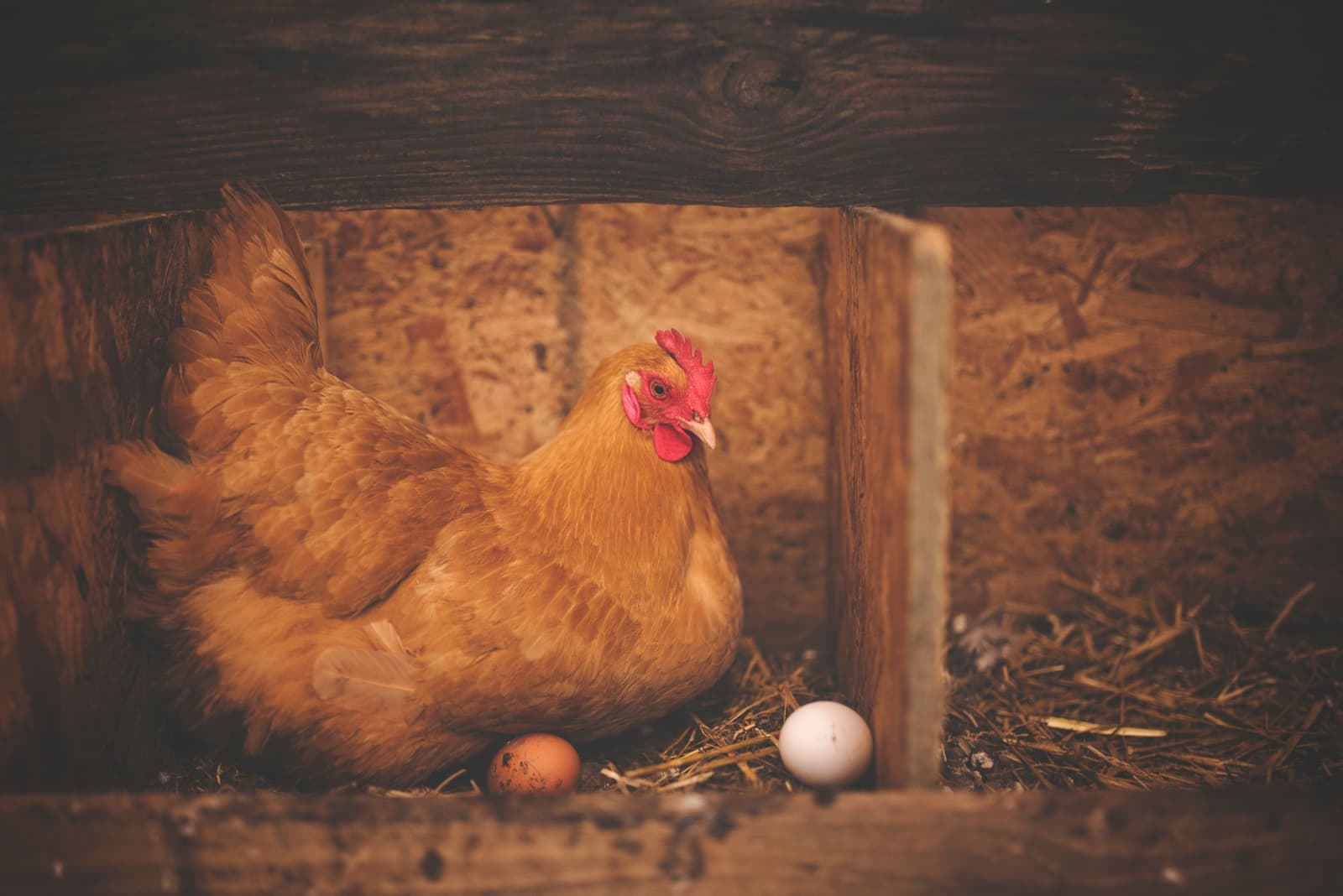
Bedding exists to manage water. Droppings are mostly water, a flock produces them all night under the roost, and what happens to that water decides whether your coop smells of ammonia, whether the litter caps over, and whether the timber floor rots from the inside. Warmth and appearance are secondary. Everything on this page gets harder with waterfowl, which is why a chicken coop for ducks is a material decision before it is a size one - and why what the bedding sits on matters as much as the bedding.
The materials
| Material | Absorbency | Composts | Notes |
|---|---|---|---|
| Pine shavings | High | Yes, readily | The default. Cheap by volume at a feed store, poor value in small shipped bags. |
| Straw | Moderate | Slowly | Warm and lofty, less absorbent. Hollow stems can harbor mites. |
| Hemp bedding | Very high | Yes | Excellent absorbency and low dust. Costs more. |
| Sand | None - it drains | No | Sifted daily like a litter box. Good in dry climates, poor where it freezes solid. |
| Chopped cardboard or paper | High | Yes | Dust-free and light. Breaks down fast, so it needs replacing often. |
| Cedar shavings | High | Yes | Avoid. Aromatic oils are a respiratory irritant in an enclosed space. |
The deep litter method
Rather than stripping the coop weekly, deep litter starts with a thick layer of bedding and adds to it. Droppings get turned into the bedding with a fork - the birds do a lot of this themselves if you scatter a handful of scratch - and the layer composts slowly in place, generating a little warmth and consuming the moisture as it goes.
- Start with 4 to 6 inches of dry bedding on a dry floor.
- Turn it weekly with a fork, or throw scratch grain on it and let the flock do the turning.
- Add fresh bedding on top whenever it looks compacted or damp, rather than removing anything.
- Keep it dry. Deep litter fails wet - a leaking waterer or rain blowing in ruins it.
- Strip it once or twice a year, usually in spring, and start again. What comes out is close to compost.
Deep litter only works with good ventilation. It is a slow composting process, and it depends on moisture leaving the coop through the high vents. In a sealed coop it goes anaerobic, smells, and becomes the problem it was meant to solve - see ventilation, not insulation.
How to tell it is going wrong
- Ammonia you can smell at bird height. Crouch down - judging from the doorway consistently understates it.
- Capped litter: a hard crust on the surface, wet underneath. Turn it and add fresh.
- Flies in numbers. Usually a wet patch under a waterer.
- Dirty eggs, which usually means birds are sleeping in the boxes rather than a bedding problem. See roost bar length.
- Any wet area that has not dried in a couple of days. Find the source before adding more bedding on top of it.
- Persistent damp across the whole coop is a siting and drainage problem rather than a bedding one - see coops for wet climates.
Where to buy it
Feed stores and farm suppliers, in the largest compressed bale or bag you can carry. The price per cubic foot of shavings bought that way is a fraction of what small shipped bags cost, and this is one of the few coop purchases where local beats delivered by a wide margin. That is why this page has nothing to click.
Questions people actually ask
+What is the best bedding for a chicken coop?
+Can I use straw in a chicken coop?
+How often should I change coop bedding?
+Is sand good for a chicken coop floor?
+Why does my chicken coop smell like ammonia?
Sources
Why there is nothing to buy here: Bedding is bought in bulk from feed stores and garden suppliers where it is far cheaper per volume than anything shipped, and shipping compressed bags of wood shavings is a poor deal for the reader. The useful advice here is which material to buy locally, not a link.
Read next
A cleaning routine you will actually keep
Daily, weekly and seasonal jobs sized so they get done, plus the mite inspection nobody schedules until it is too late.

Ventilation, not insulation
Why sealing a coop causes frostbite, where vents belong, and how to tell whether yours has enough.
How many nesting boxes a flock needs
The per-flock box count, why coops oversupply boxes at the cost of floor area, and how to fix hens that will not use them.
Chicken coops for cold climates
Cold-climate coops ranked on the things that matter below freezing - dryness, roof geometry, ventilation and floor area per bird.
Guides, and the arithmetic behind them
The reference library: sizing arithmetic, ventilation, predator-proofing, bedding, cost and the permits nobody checks first.
Roost bar length, height and shape
Per-bird bar length by breed, the flat-versus-round question, mounting height, and how to add bar without carpentry.