How we work the numbers out
One calculation, one published constant, and a rule about what to do when a manufacturer does not give us enough to work with.
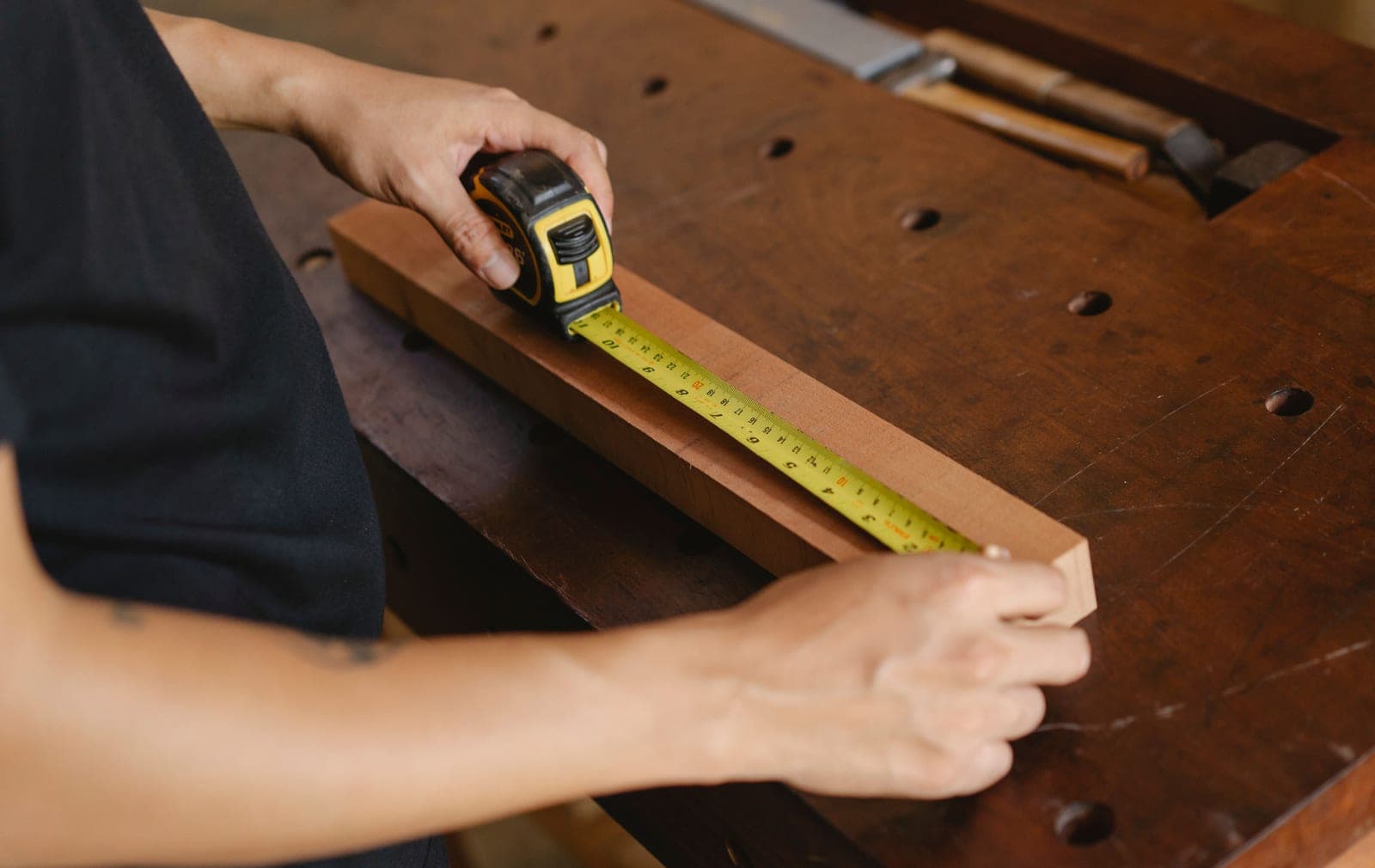
Every capacity figure on this site comes out of the same three steps, applied identically to every coop. There is no scoring model, no weighting, and nothing that depends on our opinion of a brand.
Step 1 - take the maker’s own published dimensions
We read the length and width from the manufacturer’s live retail listing and record the listing as the source. We do not measure from photographs, do not scale from a person standing beside a coop, and do not carry a figure over from a similar model by the same brand. Every product page on this site links the listing its numbers came from.
Where a maker publishes the enclosed henhouse separately from the whole unit, we use the henhouse figure, because that is the space the guidance actually applies to. On this site that is true of 3 of 26 coops - the rest publish only a whole-unit footprint.
Step 2 - work out the floor area
Length in inches multiplied by width in inches, divided by 144. Where a maker publishes enough detail to know the nest-box floor area, we subtract it. That is the entire calculation.
When the only figure available is a whole-unit footprint that includes an attached run, we use it and label it as such. That reading is deliberately generous - it counts open run as though it were enclosed henhouse floor, which it is not. We do it that way so nobody can argue we stacked the deck. If a coop fails its own claim even on the generous reading, it fails decisively, and the real enclosed floor is smaller than the number we printed.
Step 3 - divide by the published per-bird figure
4 square feet per standard-size hen. University of Minnesota Extension publishes a range of 3 to 5 square feet of indoor space per bird for backyard flocks, and we use the midpoint. Bantams get 2 square feet and large fowl 5, from the same published range. Birds with no outdoor run access get double, because the coop is then the whole of their world.
We round down. A coop with floor for 3.8 hens is a three-hen coop, because you cannot house four-fifths of a chicken and because rounding up is exactly the habit this site exists to correct.
What happens when a maker publishes nothing
We print nothing. The calculation module behind this site cannot emit an estimate - it is built so that a missing dimension returns a “not published” result and the page renders that phrase instead of a number. There is no fallback value, no category average and no inferred measurement anywhere in the code.
The same applies to bird counts. A number of makers publish dimensions and no claim at all. We record that as “no claim” and treat it as a point in their favor rather than a gap to fill: there is nothing to correct, and the reader is left with arithmetic rather than marketing.
What we found
- 26 coops with enough published detail to compute a floor area.
- 21 of those publish a bird count of their own to compare against.
- 17 claim more birds than their own published dimensions support at the extension-service figure.
- One coop measures larger than its own claim needs, and two publish no bird count at all.
What this method cannot tell you
Quite a lot, and it is worth being specific about the limits rather than implying they do not exist.
- Build quality. You cannot assess timber thickness, hinge quality or how well a kit goes together from a spec sheet, and we do not pretend to. Where we comment on material we are commenting on the material the maker states, not on execution.
- Real enclosed floor on a coop-and-run unit. Almost no maker publishes it separately. Our whole-unit figures are upper bounds and we label every one of them.
- Whether a coop is actually secure. Mesh aperture, wire gauge and latch type are rarely published. Our predator-proofing pages assume every coop needs upgrading, because on the evidence available every coop does.
- Anything veterinary. We cite extension guidance where housing decisions touch on health and stop there.
Prices
Prices are never written into a page. They are pulled from the retailer and rendered from a data layer with a freshness gate: if the most recent check is more than 48 hours old, prices disappear and every button reads “check price” instead. A stale number is worse than no number, so the failure mode here is silence rather than a wrong figure.
No ratings, no reviews, no aggregate scores
There is no star rating, review count or aggregate score anywhere on this site - not in the visible copy and not in the structured data. We have not handled these coops, so a rating from us would be an opinion dressed as a measurement, and marking one up as review structured data would be a misrepresentation to search engines as well as to you.
Sources
The published guidance this site rests on. Each was fetched and read rather than remembered.
- University of Minnesota Extension - Raising chickens for eggs (3-5 sq ft indoor space per bird; one nest box per 4-5 birds)
- Penn State Extension - Small-scale poultry housing
- Michigan State University Extension - Backyard chickens: housing
- University of Maine Cooperative Extension - Small flock poultry publication 2227e
Corrections
Manufacturers revise published dimensions, and a figure that was right when we recorded it can stop being right. If a number here does not match the listing you are looking at, send us the link and we will check it. Contact us.