Can you use a dog kennel as a chicken run?
Yes, and it is the cheapest secure run in the category - once you accept that the panels are a frame and everything that makes it secure is bought separately.
We have not handled these coops, and we do not pretend to have. Here is what we did instead. Links to Amazon earn us a commission at no extra cost to you - disclosure.
| # | Coop | Best for | Honest count | Price |
|---|---|---|---|---|
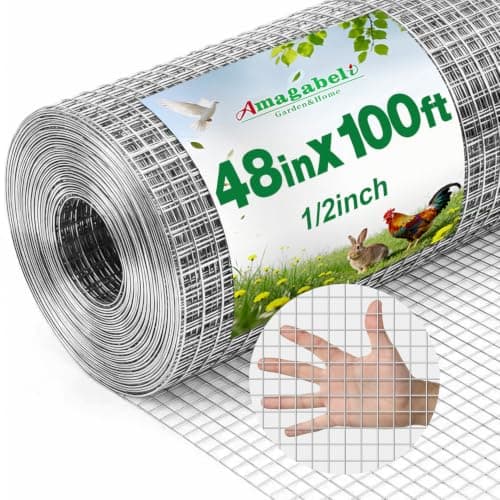
| 1 | 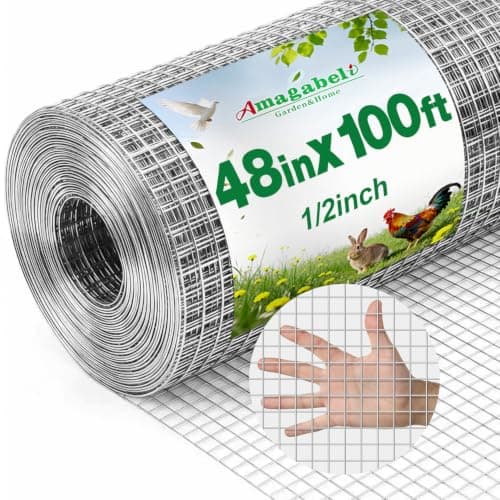 Amagabeli 1/2" Hardware Cloth, 48in x 100ftTop pickHalf-inch aperture, 19 gauge, hot-dipped galvanized after welding. This is the specification that actually keeps raccoons out. | The single most important predator purchase | not published | |
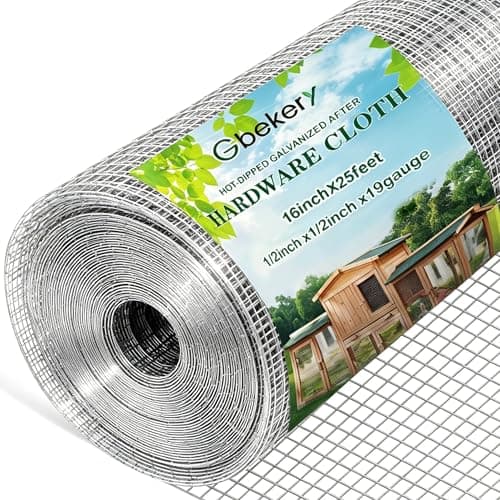
| 2 | 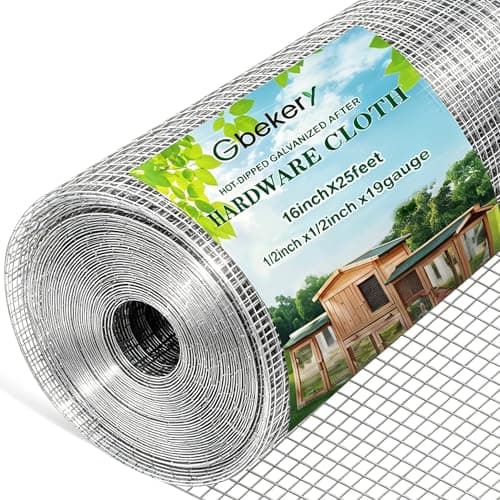 Gbekery 1/2" Hardware Cloth, 16in x 25ftSame half-inch, 19-gauge, galvanized-after-welding specification in a narrow roll - the right shape for a buried apron. | Aprons, skirts and patching | not published | |
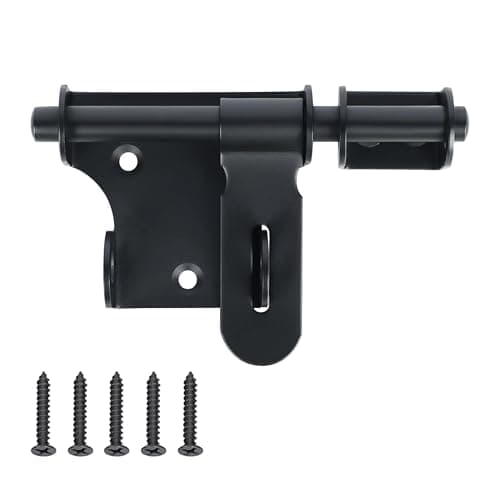
| 3 | 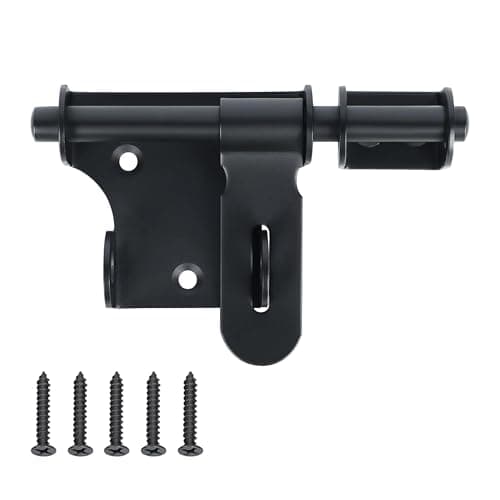 Alise 4in Slide Bolt Latch with Padlock HoleA slide bolt with a padlock hole. The padlock hole is the whole point - raccoons defeat simple bolts. | A latch a raccoon cannot work | not published | |
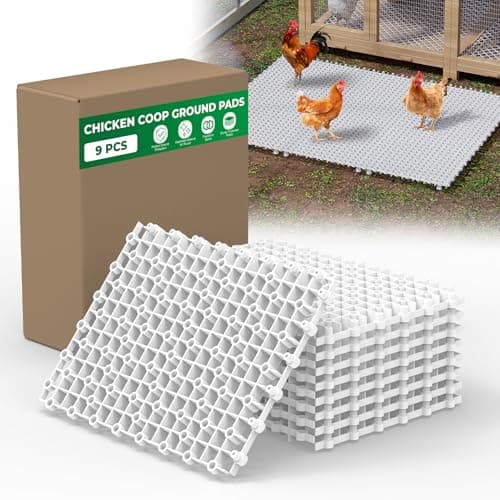
| 4 | 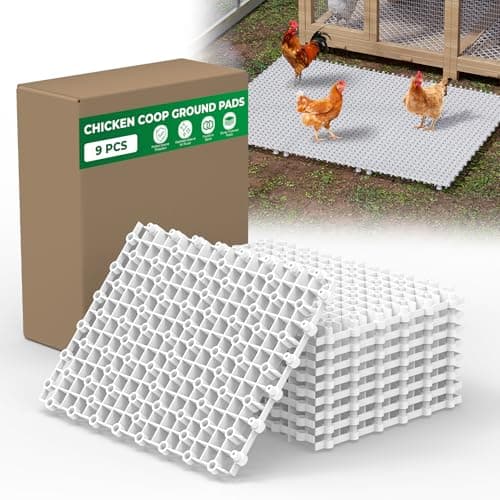 Forestchill Chicken Coop Ground Pads, 9 Pcs InterlockingInterlocking plastic pads on 1.5in risers with drainage holes - a real fix for a small wet area, and priced per square foot like a luxury. | A permanently wet patch, not a whole run | not published | |
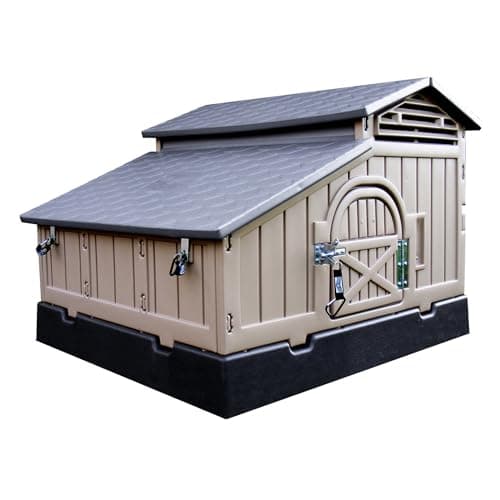
| 5 | 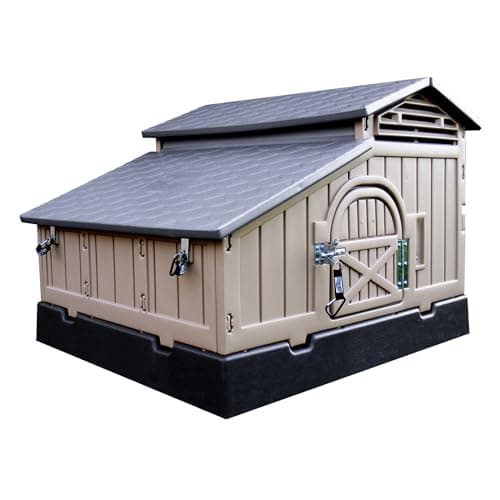 Hatching Time SnapLock Formex Standard CoopSame material logic as its bigger sibling, but the claim of four hens is the most overstated on this page relative to its size. | Two hens, or a bantam trio | 2box says 4 |
The kennel question comes up because the arithmetic is obvious the moment you see the two products side by side. A boxed coop-and-run kit gives you fifteen square feet for a few hundred dollars. A galvanized kennel panel set gives you a hundred. The catch is real, but it is a list of three items rather than a reason not to.
The run arithmetic, which is why people ask
Penn State Extension's housing table publishes 8 square feet of outside run per laying hen and 10 per large chicken; eXtension recommends 10 square feet per hen outdoors. Run area is additional to coop floor rather than a substitute for it.
The three things a kennel does not have
- An aperture that excludes anything. Chain link and 2in by 4in welded wire are dog-containment specifications. A raccoon reaches through 1in mesh, a weasel walks through it, and both of those gaps are larger than 1in. The fix is half-inch hardware cloth lining the lower half of every panel at minimum, and all of it if the budget allows.
- A buried edge. Penn State is specific about the remedy: bury the wire along the pen border at least 12 inches deep, and toe the fence outward about 6 inches. A kennel sits on the ground with a gap under the bottom rail, and that gap is the single most likely way something gets in.
- A roof. Most kennels are open-topped. Penn State's answer to hawks and owls is to cover outside runs with mesh wire or netting, and an open 100 square feet is a large invitation. Hawks, owls and the daylight problem covers the options in order.
Kennel sizes against the published run figure
| Kennel | Area | Hens at Penn State's 8 sq ft | Hens at eXtension's 10 sq ft |
|---|---|---|---|
| 4ft x 8ft | 32 sq ft | 4 | 3 |
| 6ft x 6ft | 36 sq ft | 4 | 3 |
| 8ft x 8ft | 64 sq ft | 8 | 6 |
| 10ft x 10ft | 100 sq ft | 12 | 10 |
| 10ft x 20ft | 200 sq ft | 25 | 20 |
| Largest coop-and-run kit in our registry | 51.6 sq ft whole-unit | 6 | 5 |
The bottom row is a whole-unit figure that includes the henhouse, so the run part of it is smaller than 51.6 square feet. Read against it, an 8ft by 8ft kennel is already more outdoor space than the biggest kit on this site - and that is the honest reason this question keeps being asked.
The coop that goes inside it
A kennel is daytime space, so the other half of the purchase is a henhouse to stand in it. The thing to get right is that the henhouse floor and the run area add rather than overlap: 4 square feet per bird of enclosed roosting floor plus 8 of run, not 8 total.
- Size the henhouse on its own published dimensions, exactly as you would if the run did not exist.
- Prefer a standalone henhouse to a coop-and-run kit - you already have the run, and paying for a second one wastes kennel floor.
- Put it against a kennel wall rather than central, so the birds get the full run and you can reach the back of it.
- Raise it off the ground on blocks. Bare earth under a timber coop is the rot mechanism this site keeps coming back to.
- Check the pop door faces into the run and not at a kennel upright, which is easier to get wrong than it sounds.
Plastic chicken coops is the format that suits this best, because a standalone moulded henhouse publishes a footprint that is all enclosed floor - so the arithmetic for the inside and the arithmetic for the kennel stay separate and both stay honest.
What a kennel genuinely does better than a kit run
- Area, by a factor of two to six against anything in the kit market.
- Height. A kennel is tall enough to walk into, which makes cleaning and catching birds a different job from reaching through a 24-inch run door.
- Frame strength. Galvanized tube and a bolted frame outlast the stapled 2x2 fir frames kit runs use, and it is the frame rather than the mesh that fails on those.
- Reconfigurability. Panels come apart, so the run can change shape or move with you.
What it does worse
- Nothing about it is poultry-rated, so every specification has to be checked against a dog requirement rather than a bird one.
- The gate is a dog gate, with a dog latch. A raccoon works most of them, which is why a slide bolt with a padlock hole is on the list below.
- Panel joins leave vertical gaps at the uprights that a hardware-cloth lining has to be carried across, not just stapled within each panel.
- On soft ground a kennel racks and lifts at the corners over a season, reopening the bottom gap you closed. It wants pegging or a frame.
How we judged these picks
- Aperture first, because that is the specification the kennel is missing and the only one that decides whether the run excludes anything.
- Coverage per roll against a 10ft by 10ft kennel plus a 12-inch buried skirt, from the published roll dimensions.
- Whether the latch needs two motions or a padlock, which is the published test for a raccoon.
- Ground treatment, since a kennel floor is bare earth and 100 square feet of it turns to mud.
- Then a coop small enough to stand inside the kennel and still leave run area, measured on its own published dimensions.
The conversion list
Top pick · The single most important predator purchase
Amagabeli 1/2" Hardware Cloth, 48in x 100ft
Half-inch aperture, 19 gauge, hot-dipped galvanized after welding. This is the specification that actually keeps raccoons out.
What the numbers say
The manufacturer does not publish the dimensions this calculation needs, so we do not print a number.
Figures from Amagabeli published specifications (Amazon listing)
Half-inch aperture is the number that matters. A raccoon can reach through 1in mesh and a weasel walks through 1in chicken wire; half-inch stops both.
Galvanized AFTER welding, not before, is the second specification to check. Welding burns the coating off, so mesh galvanized beforehand rusts at every joint - which is exactly where it needs to hold.
19 gauge is the practical minimum for a coop perimeter. Thinner mesh sold as hardware cloth exists and bends open by hand.
Good
- Half-inch aperture excludes raccoons and weasels
- Hot-dipped galvanized after welding, so joints do not rust first
- 48in width covers most run walls in a single run
Not so good
- Cutting it is hard on the hands and on your snips
- 100ft is more than a small coop needs
- Edges are sharp and need capping or folding
Skip this if: only if you already have half-inch hardware cloth. Do not substitute chicken wire - it is a containment material, not a security one.
#ad · how this is funded · price as of October 17, 2026
Pick 2 · Aprons, skirts and patching
Gbekery 1/2" Hardware Cloth, 16in x 25ft
Same half-inch, 19-gauge, galvanized-after-welding specification in a narrow roll - the right shape for a buried apron.
What the numbers say
The manufacturer does not publish the dimensions this calculation needs, so we do not print a number.
Figures from Gbekery published specifications (Amazon listing)
A 16in width is awkward for walls and ideal for a predator apron: laid flat around the base of a run, it is exactly the skirt that stops digging.
Same specification that matters as the wide roll - half-inch aperture, 19 gauge, galvanized after welding.
25ft covers the perimeter of a small run without buying 100ft you will not use.
Good
- Right width for an apron or skirt
- Same protective specification as the wide roll
- Sensible quantity for a small coop
Not so good
- Too narrow to sheet a run wall efficiently
- 25ft goes quickly on anything large
- Still needs pinning down or burying
Skip this if: you are sheeting walls. Buy the 48in roll for that and use this width for the ground apron.
Pick 3 · A latch a raccoon cannot work
Alise 4in Slide Bolt Latch with Padlock Hole
A slide bolt with a padlock hole. The padlock hole is the whole point - raccoons defeat simple bolts.
What the numbers say
The manufacturer does not publish the dimensions this calculation needs, so we do not print a number.
Figures from Alise published specifications (Amazon listing)
Raccoons have functional thumbs and genuinely do open simple slide bolts, hook-and-eyes and turn buttons. This is the most commonly underestimated failure point on a coop.
The padlock hole is what upgrades this from a catch to a lock. A carabiner through it is enough; it does not need an actual padlock.
Fit two on a large door - top and bottom - so the door cannot be flexed open at a corner.
Good
- Padlock hole defeats the raccoon problem
- Works with a carabiner, no key needed
- Steel construction rather than cast zinc
Not so good
- Needs a second one for a tall door
- Requires accurate fitting to slide freely after weathering
- Black finish will need touching up where it is scratched
Skip this if: your coop door already takes a padlock or a two-step latch. Otherwise this is the cheapest meaningful security upgrade you can make.
#ad · how this is funded · price as of October 17, 2026
Pick 4 · A permanently wet patch, not a whole run
Forestchill Chicken Coop Ground Pads, 9 Pcs Interlocking
Interlocking plastic pads on 1.5in risers with drainage holes - a real fix for a small wet area, and priced per square foot like a luxury.
What the numbers say
The manufacturer does not publish the dimensions this calculation needs, so we do not print a number.
Figures from Forestchill published specifications (Amazon listing) · Up to 30"L x 22.5"W connected (9 pads) · Plastic with risers
The listing states 1.5 inches of clearance above the ground and drainage holes through the pads. That is the mechanism: birds stand above standing water rather than in it.
Read the coverage figure carefully. Nine pads connect to a maximum of 30 by 22.5 inches - about 4.7 square feet. A 10 by 13 foot run is 128 square feet, so flooring one entirely would take roughly 27 packs.
Used as intended - the doorway, under the waterer, the corner that never dries - it is a sensible purchase. Used as run flooring it is an expensive mistake.
Good
- 1.5in risers genuinely lift birds clear of standing water
- Drainage holes rather than a solid tray
- Rinses clean instead of needing replacing
Not so good
- Covers about 4.7 sq ft per pack - tiny relative to a run
- Plastic underfoot is not the ground chickens want to scratch
- Cost per square foot is far above wood chips
Skip this if: you are trying to floor a whole run. Coarse wood chips bought by volume cost a fraction of this per square foot and let the birds scratch.
#ad · how this is funded · price as of October 17, 2026
Pick 5 · Two hens, or a bantam trio
Hatching Time SnapLock Formex Standard Coop
Same material logic as its bigger sibling, but the claim of four hens is the most overstated on this page relative to its size.
What the numbers say
39in x 42in = 11.4 sq ft of enclosed henhouse floor. At 4 sq ft per standard hen that is 2 birds, against a claim of 4.
Figures from Hatching Time published specifications (Amazon listing) · 39"L x 42"W x 29"H · Lightweight double-walled polyethylene
11.4 sq ft of enclosed floor is two standard hens. The listing says four.
For bantams, where the published guidance is nearer 2 sq ft a bird, four is defensible. For standard-size layers it is not, and the listing does not draw that distinction.
The material is the same double-walled polyethylene that makes the larger Snap Lock worth owning. The problem here is arithmetic, not build quality.
Good
- Genuinely easy to clean and impossible to rot
- Small enough for a courtyard or a side return
- Honest fit for a bantam trio
Not so good
- Two standard hens, not the four claimed
- Low roof height limits where you can put roost bars
- Run sold separately
Skip this if: you keep standard-size layers and want more than two. Buy the larger Snap Lock instead - the price step is smaller than the space step.
#ad · how this is funded · price as of October 17, 2026
The last two are optional in a way the first three are not. Ground pads are for a kennel that has already turned to mud, and the coop is only on this list because a kennel on its own is not housing.
What we have not done
We have not converted a kennel and we are not reporting on one. Every figure above is either a published extension figure or arithmetic on a published dimension, and the panel and gate characteristics are what those products are rather than a test result.
We also do not carry a kennel or a run cover in our product registry, so there is no pick here for the kennel itself - that is a purchase we have not measured and we are not going to recommend blind.
Where to go next
- Hardware cloth against chicken wire - aperture, gauge and galvanizing
- Stopping predators that dig under the run - the buried skirt, in full
- Hawks, owls and the daylight problem - covering an open top
- Chicken run flooring - what to do about 100 square feet of mud
Questions people actually ask
+Can you use a dog kennel for chickens?
+How do you predator-proof a dog kennel for chickens?
+Is a dog kennel big enough for chickens?
+Can chickens live in a dog kennel full time?
+Will a chain link kennel keep out raccoons?
Sources
- Penn State Extension - Small-scale poultry housing
- eXtension Small and Backyard Poultry - Space allowances in housing (3-4 sq ft indoor / 10 sq ft outdoor per laying hen; 5 sq ft indoor per duck; 6 sq ft indoor and 20 sq ft outdoor per turkey; states there is very little peer-reviewed research on backyard space allowances)
- University of Minnesota Extension - Raising chickens for eggs (3-5 sq ft indoor space per bird; one nest box per 4-5 birds)
- Penn State Extension - Successfully raising a small flock of laying chickens (never mix different species in the same flock; 2 sq ft of indoor space per bird; 6 inches of roost per bird; 3 inches of feed space per bird; two nests for the first four hens, then one per four more; limit drafts and moisture)
Read next
Hardware cloth against chicken wire
Why hexagonal chicken wire fails, what gauge and aperture to buy instead, and how many feet a typical coop actually needs.

Stopping predators that dig under the run
Why the apron beats a buried perimeter, how to lay one properly, and how much hardware cloth a typical run needs.
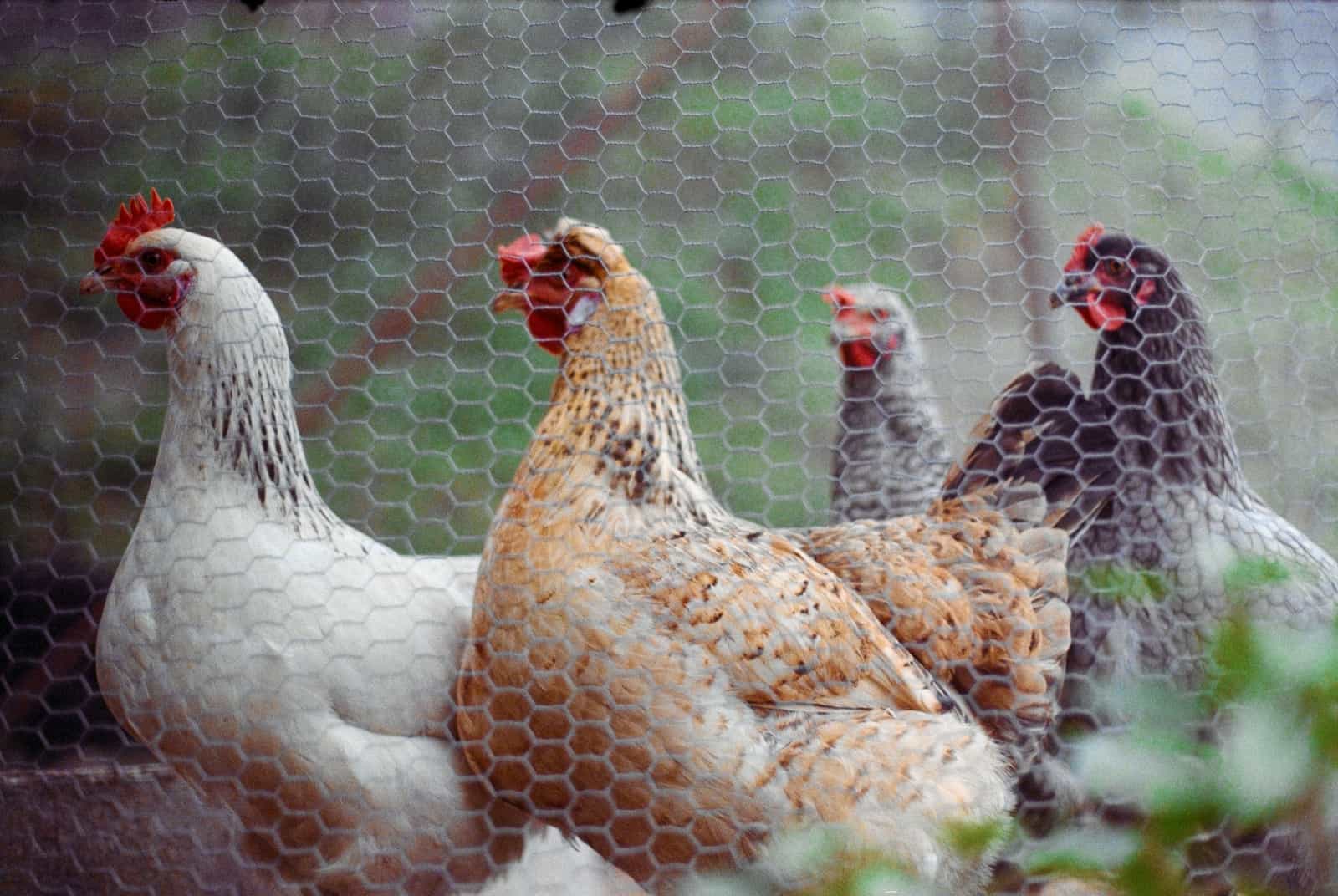
Hawks, owls and the daylight problem
Why aerial predators need a different answer from every other threat, and the covered-run options that provide it.
Chicken run flooring, and what actually fixes mud
Run flooring judged on drainage and cost per square foot - including why the cheapest answer is not a shipped product.
Run extensions for a coop you already own
Bolt-on runs ranked by measured area added, with the crucial distinction between what an extension fixes and what it does not.
Coop vs run
What a coop does, what a run does, why the space requirements add rather than overlap, and what to buy when you already have one of the two.