Latches a raccoon cannot open
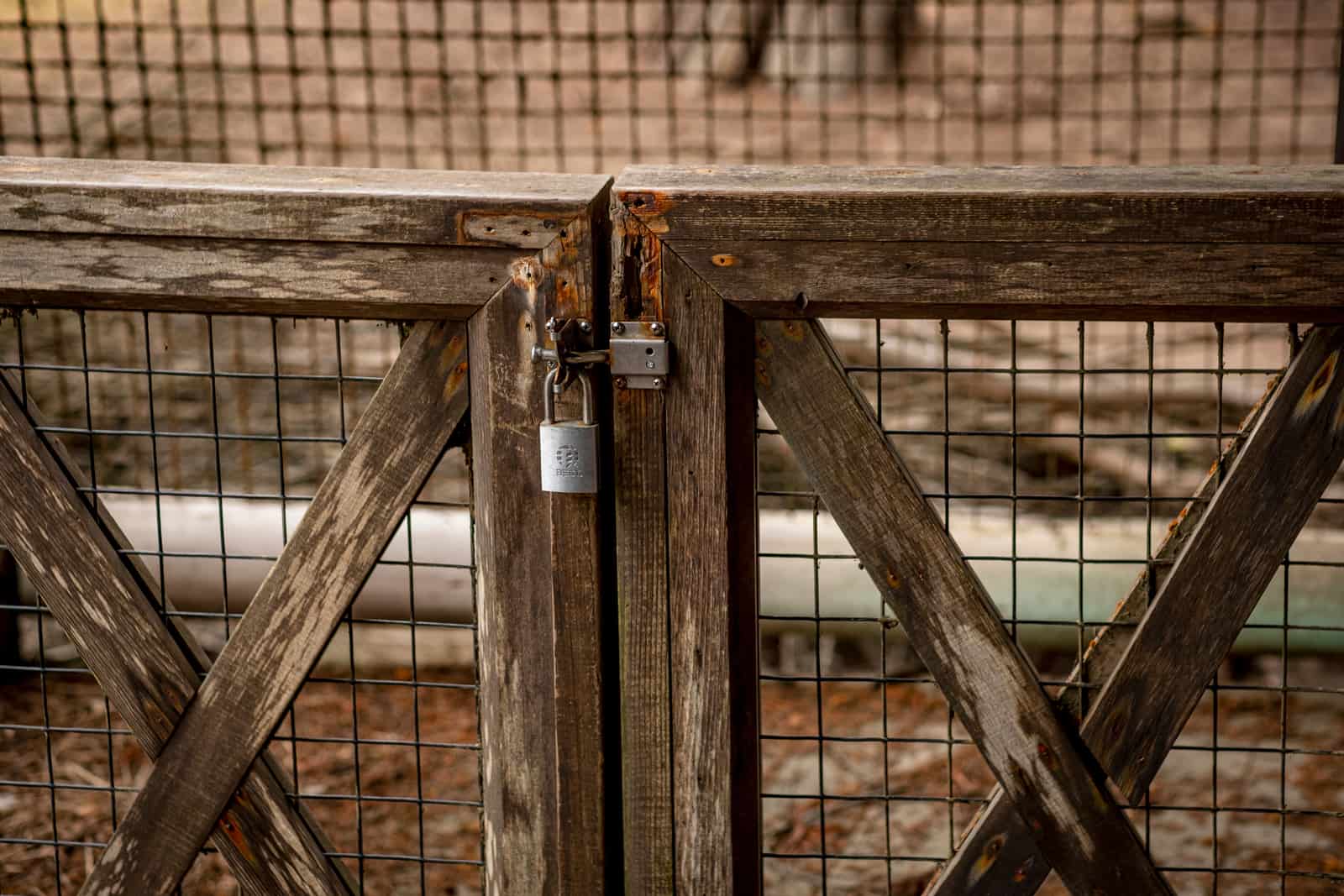
Raccoons have hands and time. The fastening on almost every coop door in this category is a puzzle they solve in one night.
We have not handled these coops, and we do not pretend to have. Here is what we did instead. Links to Amazon earn us a commission at no extra cost to you - disclosure.
| # | Coop | Best for | Honest count | Price |
|---|---|---|---|---|
| 1 | 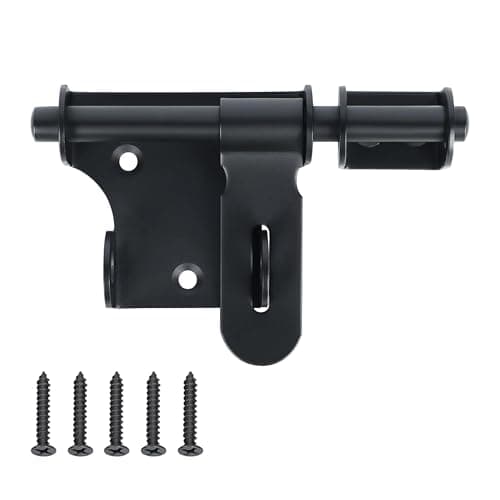 Alise 4in Slide Bolt Latch with Padlock HoleTop pickA slide bolt with a padlock hole. The padlock hole is the whole point - raccoons defeat simple bolts. | A latch a raccoon cannot work | not published |
A raccoon's forepaw is close enough to a hand for this purpose. It has five digits, fine motor control and enough tactile sensitivity to work a mechanism it cannot see. Give it a fastening that opens with one motion and it will find that motion, usually within a couple of nights of first investigating the coop.
The two-motion principle
The rule that works is simple: a latch a raccoon cannot open is one that requires two distinct actions performed together, or one that requires a tool. Lift and slide. Squeeze and pull. Or - by far the cheapest route - any simple bolt with a carabiner clipped through the padlock hole, because the clip is the second motion.
| Fastening | Motions required | Holds against a raccoon |
|---|---|---|
| Hook and eye | One - lift | No |
| Turn button | One - rotate | No |
| Spring clip or snap hook | One - squeeze | No, given time |
| Barrel bolt, unsecured | One - slide | No |
| Barrel bolt plus carabiner | Two - unclip, then slide | Yes |
| Slide bolt with padlock | Tool required | Yes |
| Two-motion gate latch | Two - lift and slide | Yes |
Every opening, not just the door
This is where most coops are lost. The main door gets a good latch and the nest-box lid keeps the plastic turn button it came with. External nest boxes are the classic failure point: the lid is designed to be opened one-handed from outside, which is exactly the property you do not want on a panel a raccoon can also reach.
- Main access door - the one everybody upgrades.
- Nest-box lid - hinged from outside, usually held by a turn button or a magnet. Fit a bolt.
- Clean-out tray or slide-out floor - often held by nothing at all.
- Pop door - if it is manual, it needs a latch. If it is automatic, check it seats fully and cannot be lifted from below. See automatic coop doors.
- Run gate - the one people leave on a spring clip because they use it ten times a day.
What to buy
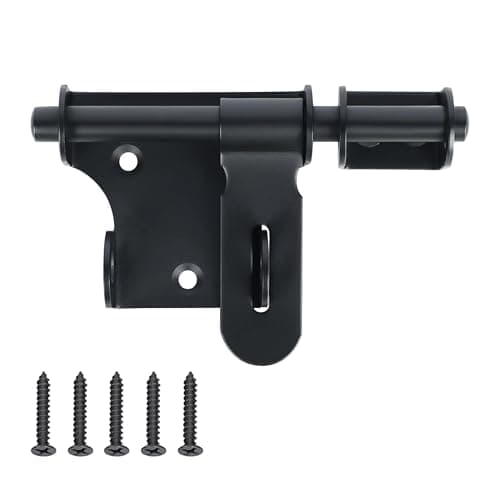
Top pick · A latch a raccoon cannot work
Alise 4in Slide Bolt Latch with Padlock Hole
A slide bolt with a padlock hole. The padlock hole is the whole point - raccoons defeat simple bolts.
What the numbers say
The manufacturer does not publish the dimensions this calculation needs, so we do not print a number.
Figures from Alise published specifications (Amazon listing)
Raccoons have functional thumbs and genuinely do open simple slide bolts, hook-and-eyes and turn buttons. This is the most commonly underestimated failure point on a coop.
The padlock hole is what upgrades this from a catch to a lock. A carabiner through it is enough; it does not need an actual padlock.
Fit two on a large door - top and bottom - so the door cannot be flexed open at a corner.
Good
- Padlock hole defeats the raccoon problem
- Works with a carabiner, no key needed
- Steel construction rather than cast zinc
Not so good
- Needs a second one for a tall door
- Requires accurate fitting to slide freely after weathering
- Black finish will need touching up where it is scratched
Skip this if: your coop door already takes a padlock or a two-step latch. Otherwise this is the cheapest meaningful security upgrade you can make.
#ad · how this is funded · price as of October 17, 2026
Questions people actually ask
+Can raccoons open latches?
+What kind of lock is best for a chicken coop?
+Do I need a latch on the nesting box lid?
+Are magnetic catches enough for a coop door?
Sources
Read next
Predator-proofing, as numbers rather than adjectives
The three specifics that decide whether a coop holds - aperture, gauge and latch - with the products that fix what every kit gets wrong.
Raccoon-proofing a chicken coop
What a raccoon can actually do, the three fixes that stop it, and the openings people forget until the morning after.
Automatic chicken coop doors
Automatic pop doors compared on trigger, power source, opening size and what happens when it is 10 degrees out.
Predator-proofing a coop, step by step
The full walkthrough: mesh, latches and apron, with a materials list and the openings that get missed.
Hardware cloth against chicken wire
Why hexagonal chicken wire fails, what gauge and aperture to buy instead, and how many feet a typical coop actually needs.

The closest thing to a predator-proof coop
The coops with the best security starting point, each listed with the exact upgrade it still requires before birds go in.