Stopping predators that dig under the run
A run wall that stops at ground level is a wall with a door under it. The fix takes an afternoon and a roll of wire.
We have not handled these coops, and we do not pretend to have. Here is what we did instead. Links to Amazon earn us a commission at no extra cost to you - disclosure.
| # | Coop | Best for | Honest count | Price |
|---|---|---|---|---|
| 1 | 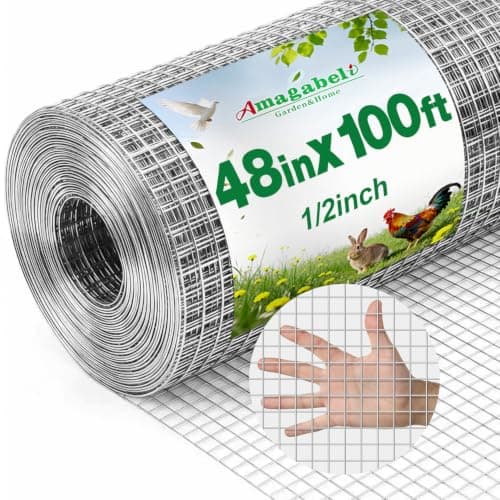 Amagabeli 1/2" Hardware Cloth, 48in x 100ftTop pickHalf-inch aperture, 19 gauge, hot-dipped galvanized after welding. This is the specification that actually keeps raccoons out. | The single most important predator purchase | not published | |
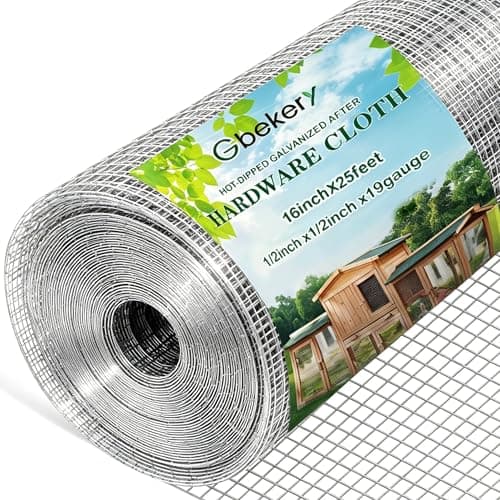
| 2 | 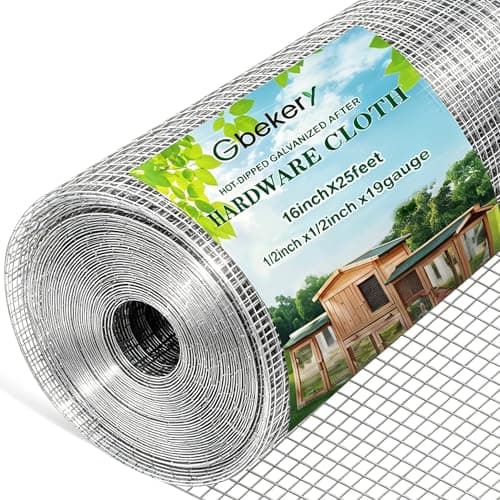 Gbekery 1/2" Hardware Cloth, 16in x 25ftSame half-inch, 19-gauge, galvanized-after-welding specification in a narrow roll - the right shape for a buried apron. | Aprons, skirts and patching | not published |
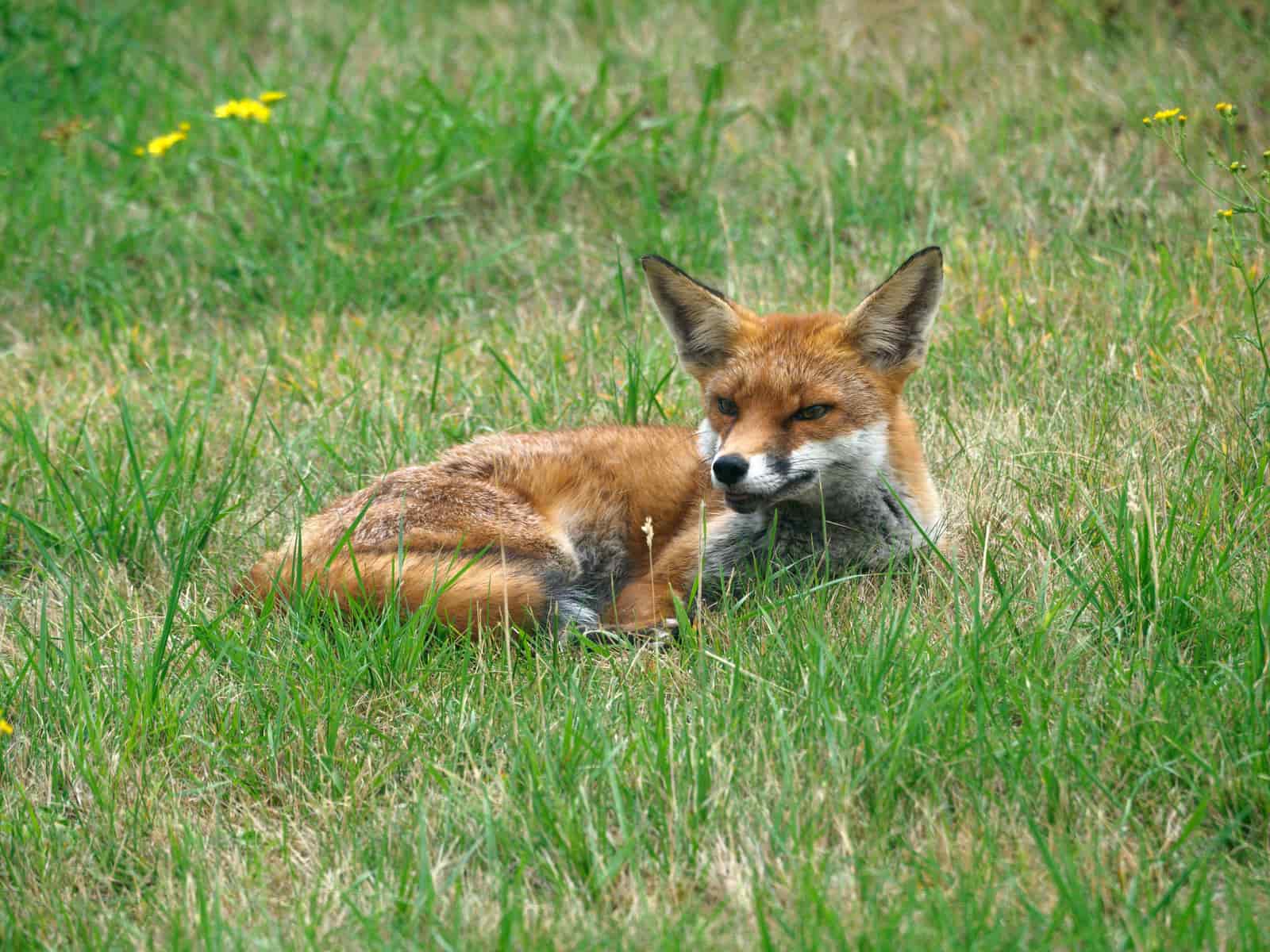
Foxes, loose dogs, skunks and rats all get into runs the same way: at the base of the wall, going down. It is the most reliable route because it needs no dexterity and no climbing, only time. And it is the route most coop upgrades ignore entirely, because the wall itself looks finished.
Why an apron beats burying wire
The instinctive fix is to dig a trench and bury mesh a foot down around the perimeter. It works, and it is a great deal of digging - through roots, against a fence line, in whatever soil you happen to have.
The apron works on animal behavior rather than depth. A digging predator begins at the barrier it can see, which is the wall. If the ground for a foot outward is wire, it hits wire immediately and keeps trying in the same place. It does not reason its way to starting three feet out. The apron is laid on the surface, pinned flat, and grass grows through it within a season until it is invisible and unliftable.
Laying one properly
- Cut hardware cloth into strips about 18 inches wide. Half-inch aperture, 19 gauge if you can - this is the piece that gets stood on and rained on.
- Fasten the inner 4 to 6 inches to the base of the run wall so there is no gap where the apron meets the structure. That junction is the whole point.
- Lay the remaining 12 inches flat on the ground, outward from the wall, following the contour rather than bridging dips.
- Pin every 12 to 18 inches with landscape staples, and more often on soft ground.
- Overlap strips by at least 3 inches at every joint and pin through both layers.
- Cover with a thin layer of soil or mulch if you want it to disappear faster. Grass will do the rest.
Rats are a different problem
Rats dig, but they come for feed rather than for birds - though they will take eggs and chicks. The apron helps and it does not solve it on its own. Store feed in a metal bin with a fastened lid, take feeders in at night or use a treadle feeder, and clear spillage. Feed left available overnight is the reason most coops have rats.
Movable coops are the exception
A tractor cannot carry an apron - it would have to be lifted with the coop or left behind at each move. The alternative is to accept the run as daytime space and shut the birds into the enclosed henhouse section overnight, which is the standard practice for the format. See mobile coops and tractors, and chicken tractor against a stationary coop if this is the trade you are still deciding.
What to buy
Top pick · The single most important predator purchase
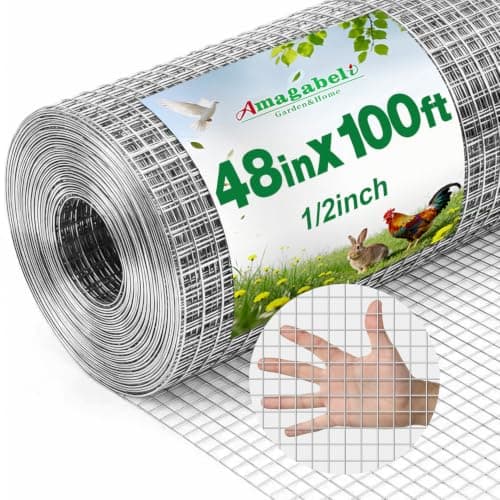
Amagabeli 1/2" Hardware Cloth, 48in x 100ft
Half-inch aperture, 19 gauge, hot-dipped galvanized after welding. This is the specification that actually keeps raccoons out.
What the numbers say
The manufacturer does not publish the dimensions this calculation needs, so we do not print a number.
Figures from Amagabeli published specifications (Amazon listing)
Half-inch aperture is the number that matters. A raccoon can reach through 1in mesh and a weasel walks through 1in chicken wire; half-inch stops both.
Galvanized AFTER welding, not before, is the second specification to check. Welding burns the coating off, so mesh galvanized beforehand rusts at every joint - which is exactly where it needs to hold.
19 gauge is the practical minimum for a coop perimeter. Thinner mesh sold as hardware cloth exists and bends open by hand.
Good
- Half-inch aperture excludes raccoons and weasels
- Hot-dipped galvanized after welding, so joints do not rust first
- 48in width covers most run walls in a single run
Not so good
- Cutting it is hard on the hands and on your snips
- 100ft is more than a small coop needs
- Edges are sharp and need capping or folding
Skip this if: only if you already have half-inch hardware cloth. Do not substitute chicken wire - it is a containment material, not a security one.
#ad · how this is funded · price as of October 17, 2026
Pick 2 · Aprons, skirts and patching
Gbekery 1/2" Hardware Cloth, 16in x 25ft
Same half-inch, 19-gauge, galvanized-after-welding specification in a narrow roll - the right shape for a buried apron.
What the numbers say
The manufacturer does not publish the dimensions this calculation needs, so we do not print a number.
Figures from Gbekery published specifications (Amazon listing)
A 16in width is awkward for walls and ideal for a predator apron: laid flat around the base of a run, it is exactly the skirt that stops digging.
Same specification that matters as the wide roll - half-inch aperture, 19 gauge, galvanized after welding.
25ft covers the perimeter of a small run without buying 100ft you will not use.
Good
- Right width for an apron or skirt
- Same protective specification as the wide roll
- Sensible quantity for a small coop
Not so good
- Too narrow to sheet a run wall efficiently
- 25ft goes quickly on anything large
- Still needs pinning down or burying
Skip this if: you are sheeting walls. Buy the 48in roll for that and use this width for the ground apron.
Questions people actually ask
+How deep should I bury wire around a chicken run?
+What is a hardware cloth apron?
+Will an apron stop rats?
+Do I need an apron if my run has a solid floor?
Sources
Read next
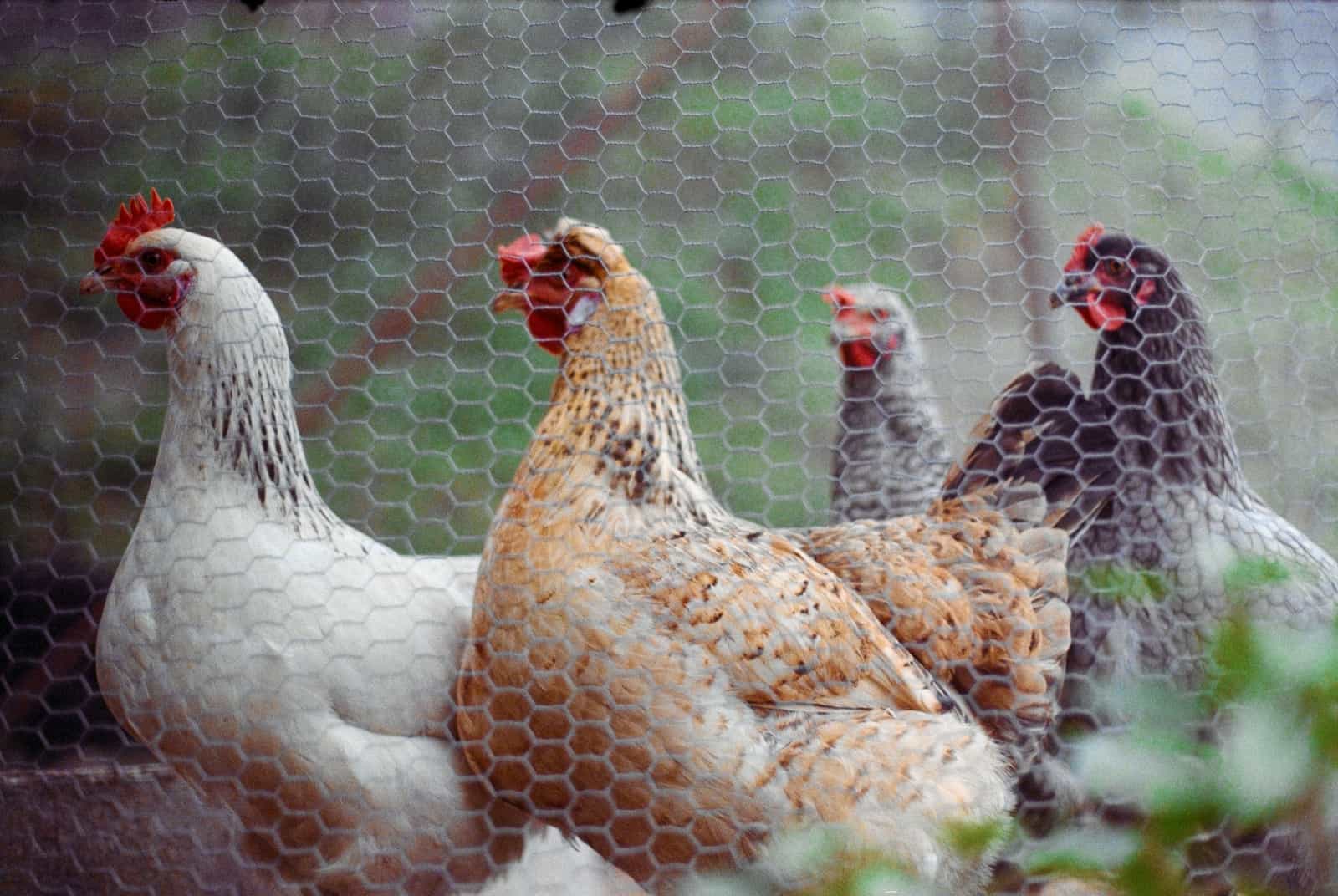
Predator-proofing, as numbers rather than adjectives
The three specifics that decide whether a coop holds - aperture, gauge and latch - with the products that fix what every kit gets wrong.
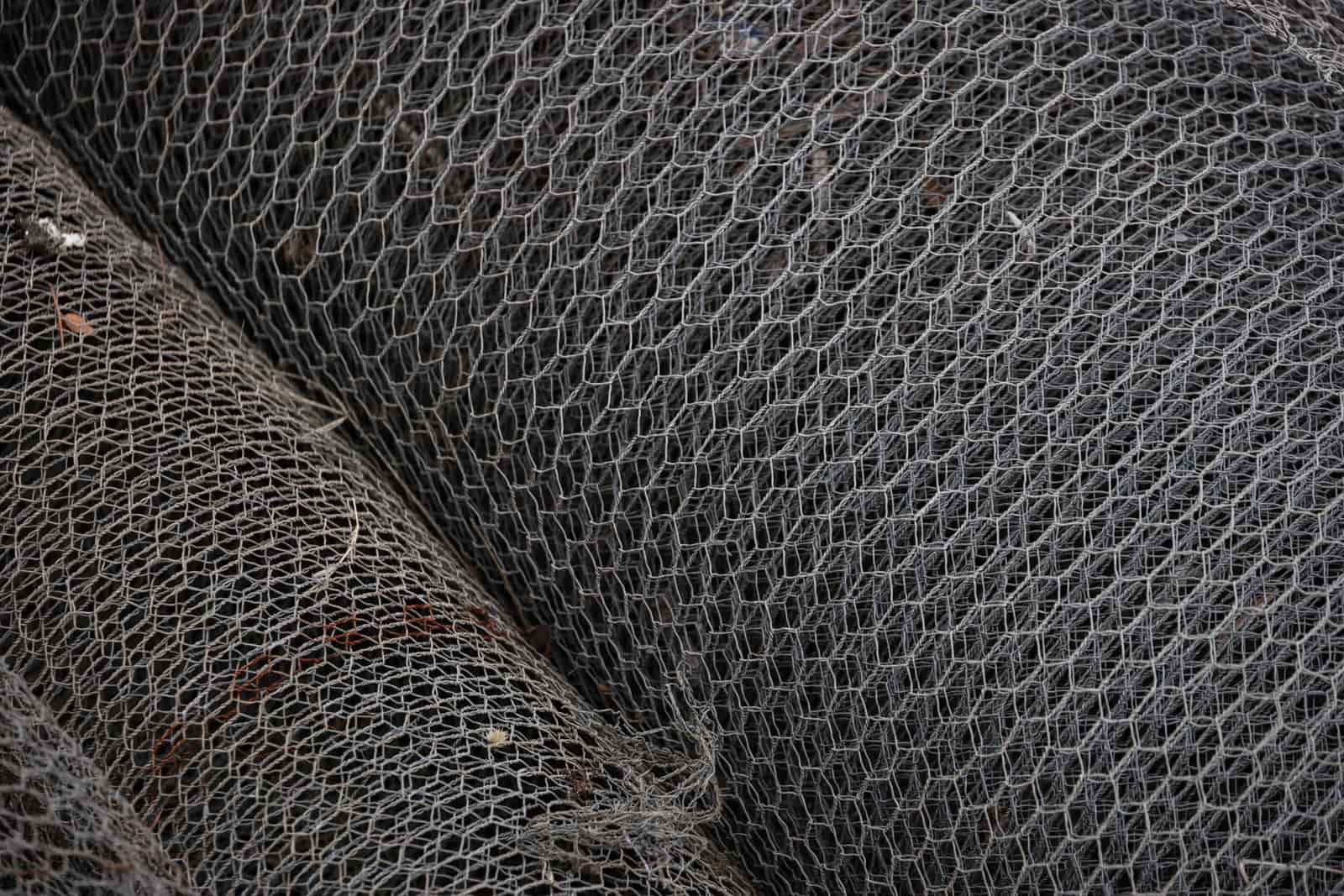
Hardware cloth against chicken wire
Why hexagonal chicken wire fails, what gauge and aperture to buy instead, and how many feet a typical coop actually needs.
Predator-proofing a coop, step by step
The full walkthrough: mesh, latches and apron, with a materials list and the openings that get missed.
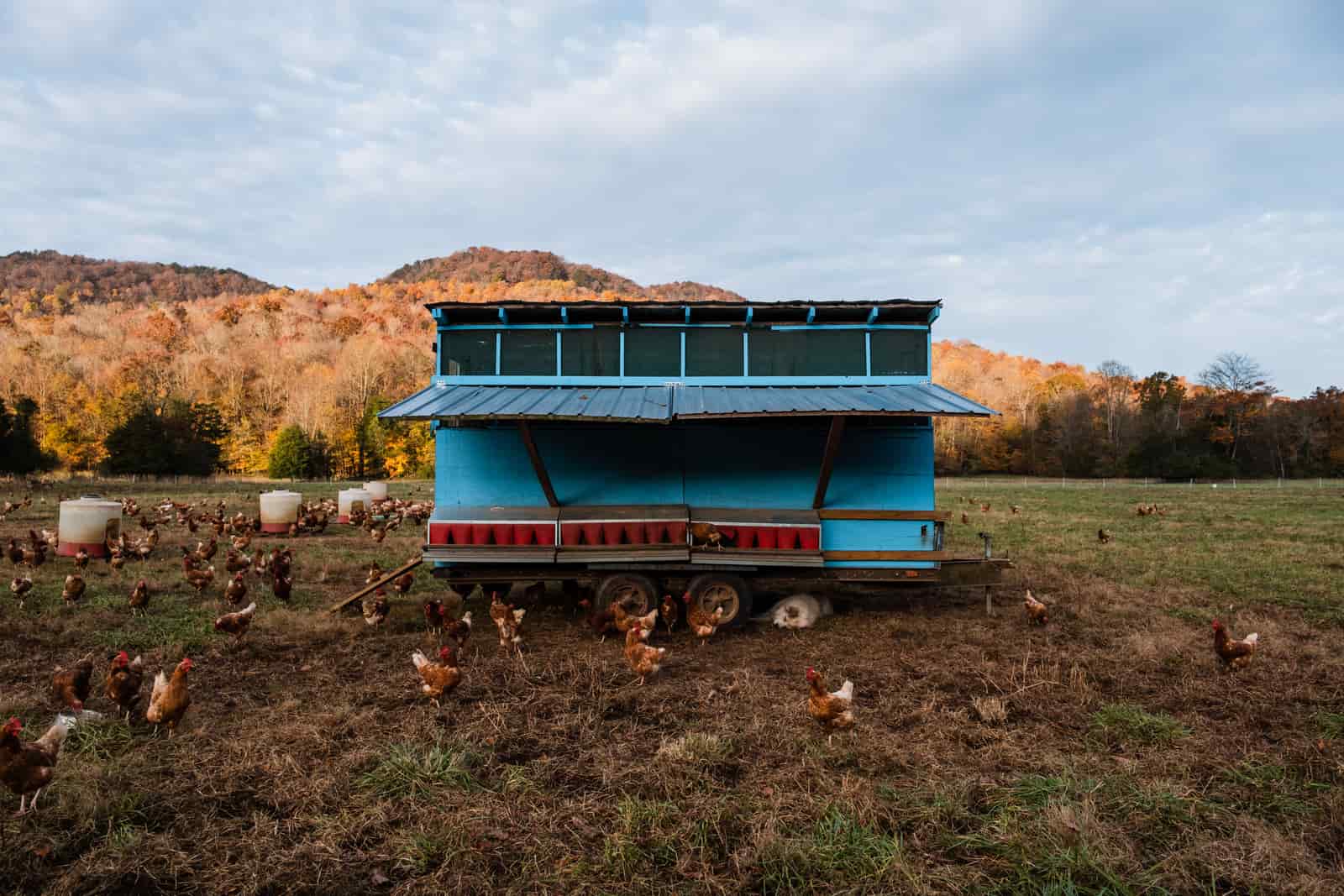
Mobile chicken coops and tractors
Wheeled coops and tractors ranked on measured area, with the honest three-to-four-bird ceiling stated rather than buried.
The closest thing to a predator-proof coop
The coops with the best security starting point, each listed with the exact upgrade it still requires before birds go in.
Where to put the coop
The siting order that matters - drainage, sun, wind, access - and the mistakes that no amount of good husbandry fixes.