Hardware cloth against chicken wire
One is a containment product and one is a security product, and almost every coop on the market ships with the wrong one.
We have not handled these coops, and we do not pretend to have. Here is what we did instead. Links to Amazon earn us a commission at no extra cost to you - disclosure.
| # | Coop | Best for | Honest count | Price |
|---|---|---|---|---|
| 1 | 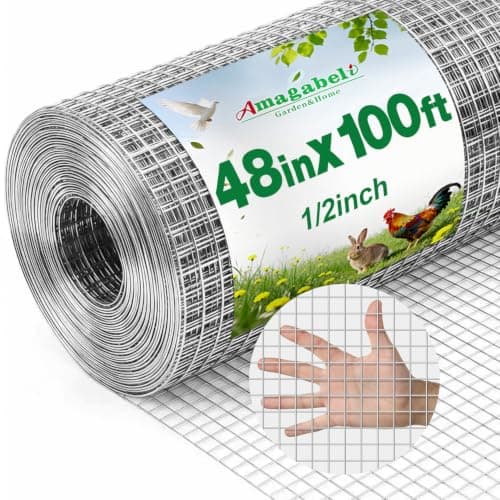 Amagabeli 1/2" Hardware Cloth, 48in x 100ftTop pickHalf-inch aperture, 19 gauge, hot-dipped galvanized after welding. This is the specification that actually keeps raccoons out. | The single most important predator purchase | not published | |
| 2 | 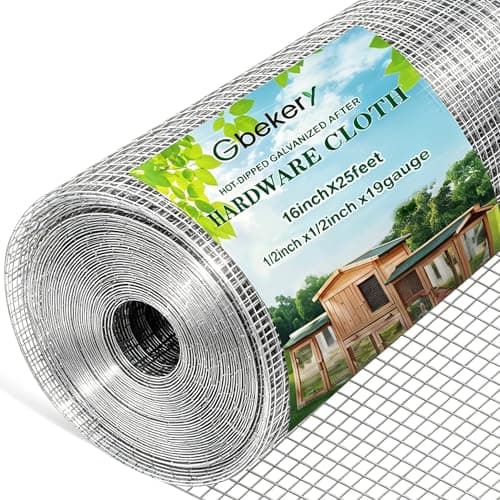 Gbekery 1/2" Hardware Cloth, 16in x 25ftSame half-inch, 19-gauge, galvanized-after-welding specification in a narrow roll - the right shape for a buried apron. | Aprons, skirts and patching | not published |
These two products look similar in a listing photograph and behave nothing alike. The difference is not brand or price. It is how the wire is joined and how big the holes are.
Woven against welded
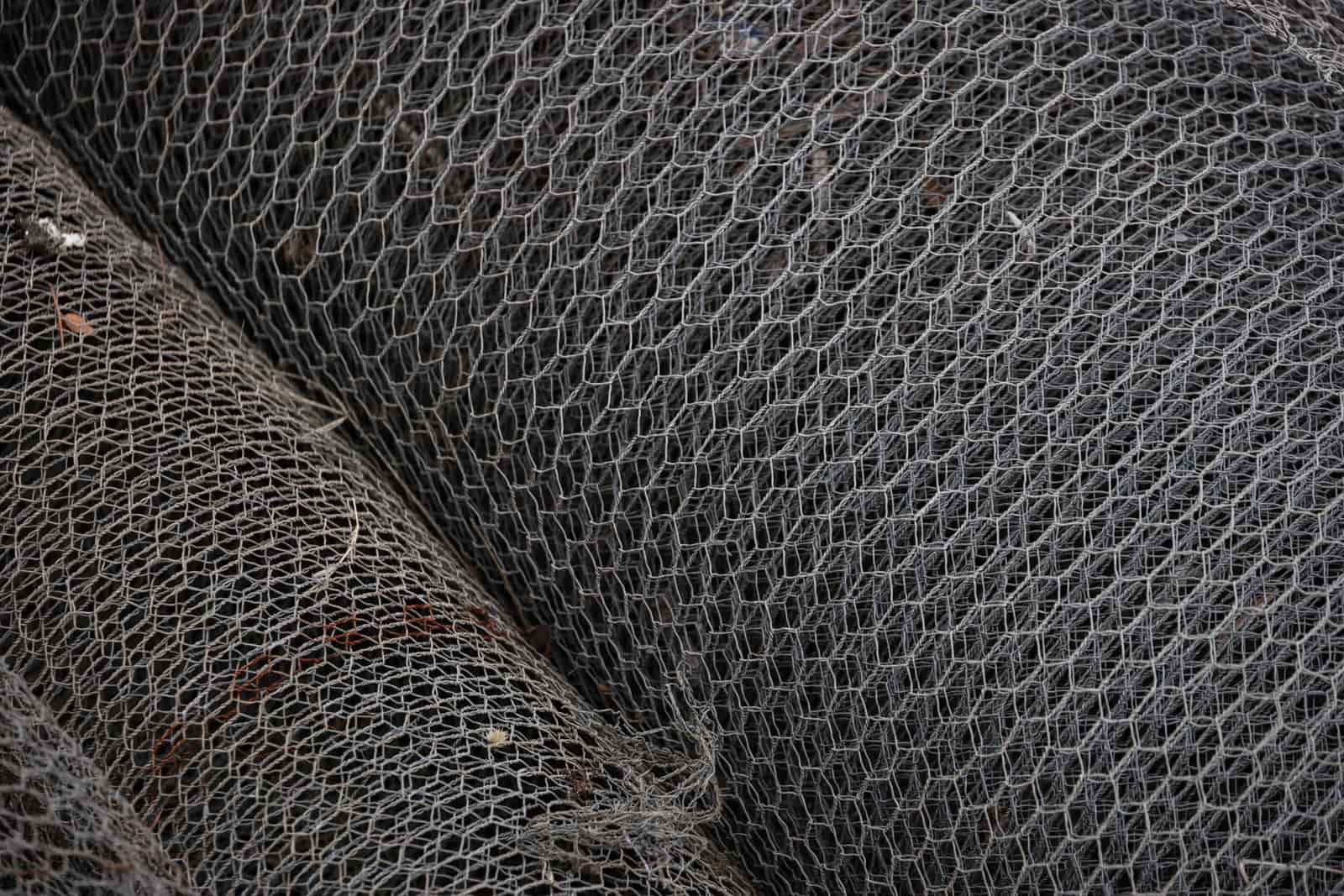
Chicken wire is woven: thin strands twisted around each other into hexagons. Twisting is what makes it cheap and flexible, and it is also what makes it come apart. Pull hard at one point and the weave opens. A raccoon can do that with its forepaws, and a dog can do it by leaning.
Hardware cloth is welded: straight wires crossed at right angles and fused at every intersection. There is no weave to unpick. To get through it you have to cut it, which nothing in the local predator population is equipped to do.
Aperture is the number that matters
A raccoon does not need to get its body through the mesh. It needs to get a forepaw through, and it will use that reach on a bird sleeping against the wall. Anything from about an inch up gives it that reach. Half an inch does not. The same threshold excludes weasels and rats, which pass through apertures far smaller than people expect.
| Mesh | Aperture | Construction | Use it for |
|---|---|---|---|
| Chicken wire | 1in+ hex | Woven | Temporary garden fencing. Not coop security. |
| Welded mesh 1in x 2in | 1in x 2in | Welded | Structural run panels, with hardware cloth over the lower 3 feet. |
| Hardware cloth 1/2in, 19ga | 0.5in | Welded | The default. Windows, vents, run walls, aprons. |
| Hardware cloth 1/2in, 23ga | 0.5in | Welded | Lighter and cheaper. Fine for vents and windows, thin for run walls. |
| Hardware cloth 1/4in | 0.25in | Welded | Where mice and small snakes are the problem, and airflow can spare it. |
Gauge, briefly
Lower gauge is thicker wire. For coop work 19 gauge is the sensible default for anything a predator can reach: it holds its shape, takes staples without tearing, and resists chewing. 23 gauge is thinner, cheaper and easier to cut, which makes it fine for window and vent covers and marginal for a run wall at ground level.
How much you need
Work it out rather than guessing, because coming up short mid-build is how a run ends up half-upgraded. Measure the total run perimeter and multiply by the height you intend to cover. Then add the apron: perimeter multiplied by one foot. Then add every window, vent and pop-door opening.
Fixing it properly
- Staple with poultry or fencing staples every three to four inches, not every foot. A predator works on the gaps between fixings.
- Overlap seams by at least two inches and fix through both layers.
- Use washers or a batten over the staples on thin coop timber - a staple pulls through fir far more easily than through framing lumber.
- Wear gloves. Cut hardware cloth is genuinely sharp along every cut edge.
- Fold and tuck cut edges rather than leaving them proud, both for your hands and for the birds.
- Check the roofline, vents and the nest-box joint too - weasels and mink get in through the openings nobody meshes.
The rolls we would buy
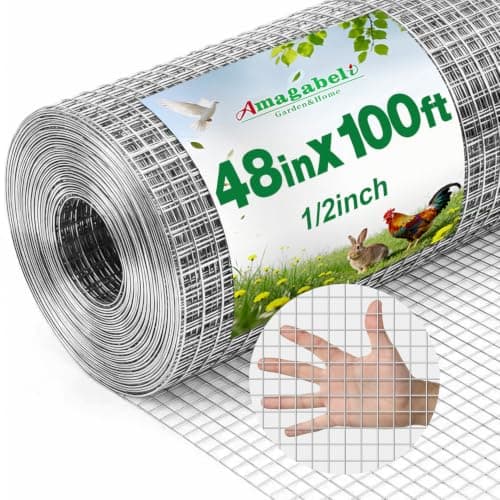
Top pick · The single most important predator purchase
Amagabeli 1/2" Hardware Cloth, 48in x 100ft
Half-inch aperture, 19 gauge, hot-dipped galvanized after welding. This is the specification that actually keeps raccoons out.
What the numbers say
The manufacturer does not publish the dimensions this calculation needs, so we do not print a number.
Figures from Amagabeli published specifications (Amazon listing)
Half-inch aperture is the number that matters. A raccoon can reach through 1in mesh and a weasel walks through 1in chicken wire; half-inch stops both.
Galvanized AFTER welding, not before, is the second specification to check. Welding burns the coating off, so mesh galvanized beforehand rusts at every joint - which is exactly where it needs to hold.
19 gauge is the practical minimum for a coop perimeter. Thinner mesh sold as hardware cloth exists and bends open by hand.
Good
- Half-inch aperture excludes raccoons and weasels
- Hot-dipped galvanized after welding, so joints do not rust first
- 48in width covers most run walls in a single run
Not so good
- Cutting it is hard on the hands and on your snips
- 100ft is more than a small coop needs
- Edges are sharp and need capping or folding
Skip this if: only if you already have half-inch hardware cloth. Do not substitute chicken wire - it is a containment material, not a security one.
#ad · how this is funded · price as of October 17, 2026
Pick 2 · Aprons, skirts and patching
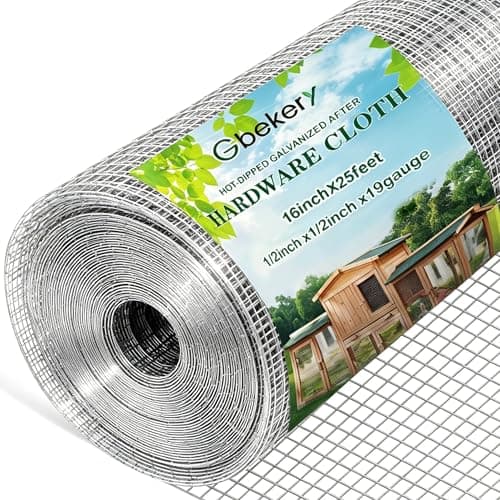
Gbekery 1/2" Hardware Cloth, 16in x 25ft
Same half-inch, 19-gauge, galvanized-after-welding specification in a narrow roll - the right shape for a buried apron.
What the numbers say
The manufacturer does not publish the dimensions this calculation needs, so we do not print a number.
Figures from Gbekery published specifications (Amazon listing)
A 16in width is awkward for walls and ideal for a predator apron: laid flat around the base of a run, it is exactly the skirt that stops digging.
Same specification that matters as the wide roll - half-inch aperture, 19 gauge, galvanized after welding.
25ft covers the perimeter of a small run without buying 100ft you will not use.
Good
- Right width for an apron or skirt
- Same protective specification as the wide roll
- Sensible quantity for a small coop
Not so good
- Too narrow to sheet a run wall efficiently
- 25ft goes quickly on anything large
- Still needs pinning down or burying
Skip this if: you are sheeting walls. Buy the 48in roll for that and use this width for the ground apron.
The first of those is covered in full on its own page - the Amagabeli hardware cloth review goes through aperture, gauge and galvanizing order, and what it is actually like to cut and fit.
Questions people actually ask
+Can I just add hardware cloth over the existing chicken wire?
+What gauge hardware cloth is best for a chicken coop?
+Is half-inch or quarter-inch hardware cloth better?
+How much hardware cloth do I need for a chicken run?
Sources
Read next
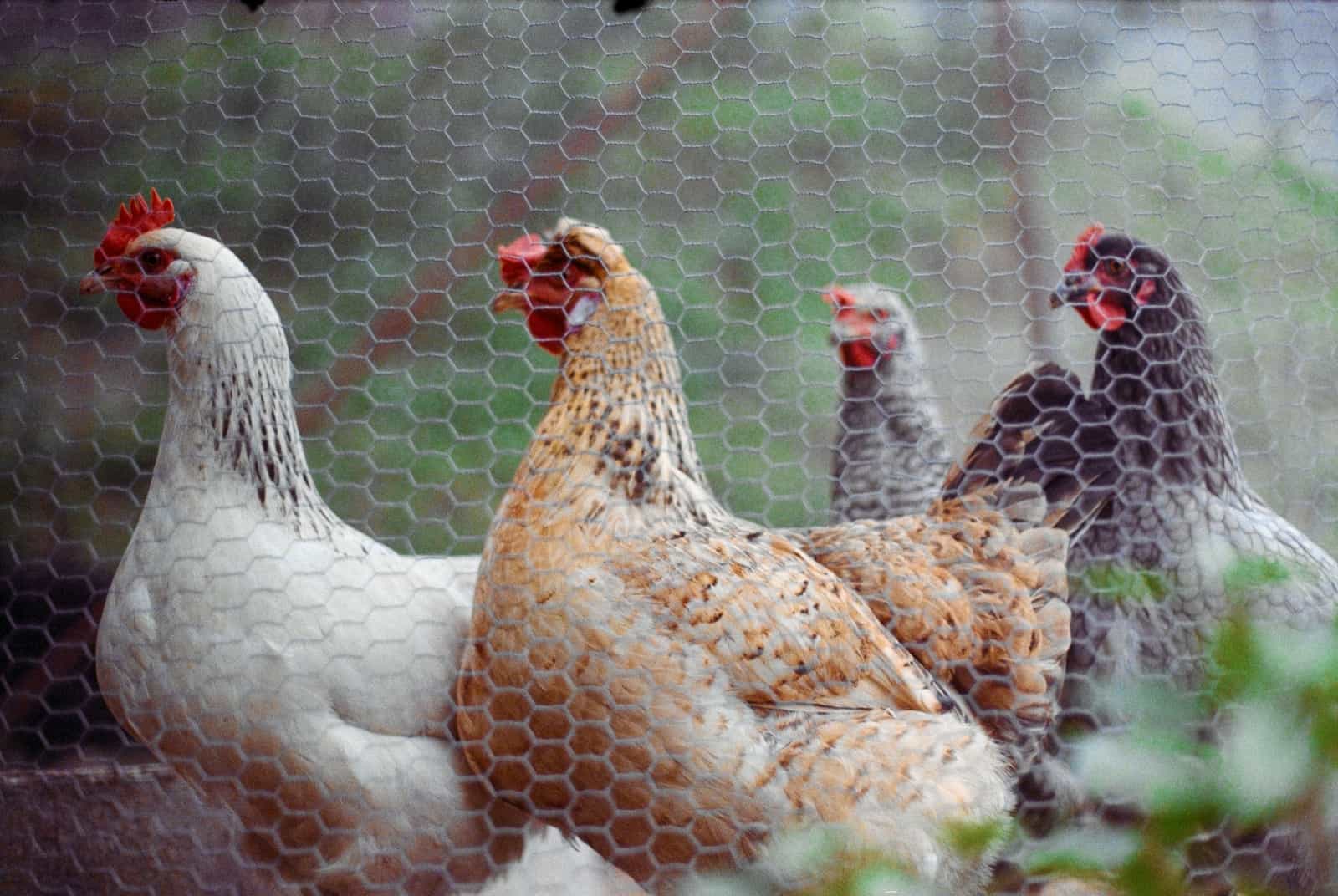
Predator-proofing, as numbers rather than adjectives
The three specifics that decide whether a coop holds - aperture, gauge and latch - with the products that fix what every kit gets wrong.

Stopping predators that dig under the run
Why the apron beats a buried perimeter, how to lay one properly, and how much hardware cloth a typical run needs.
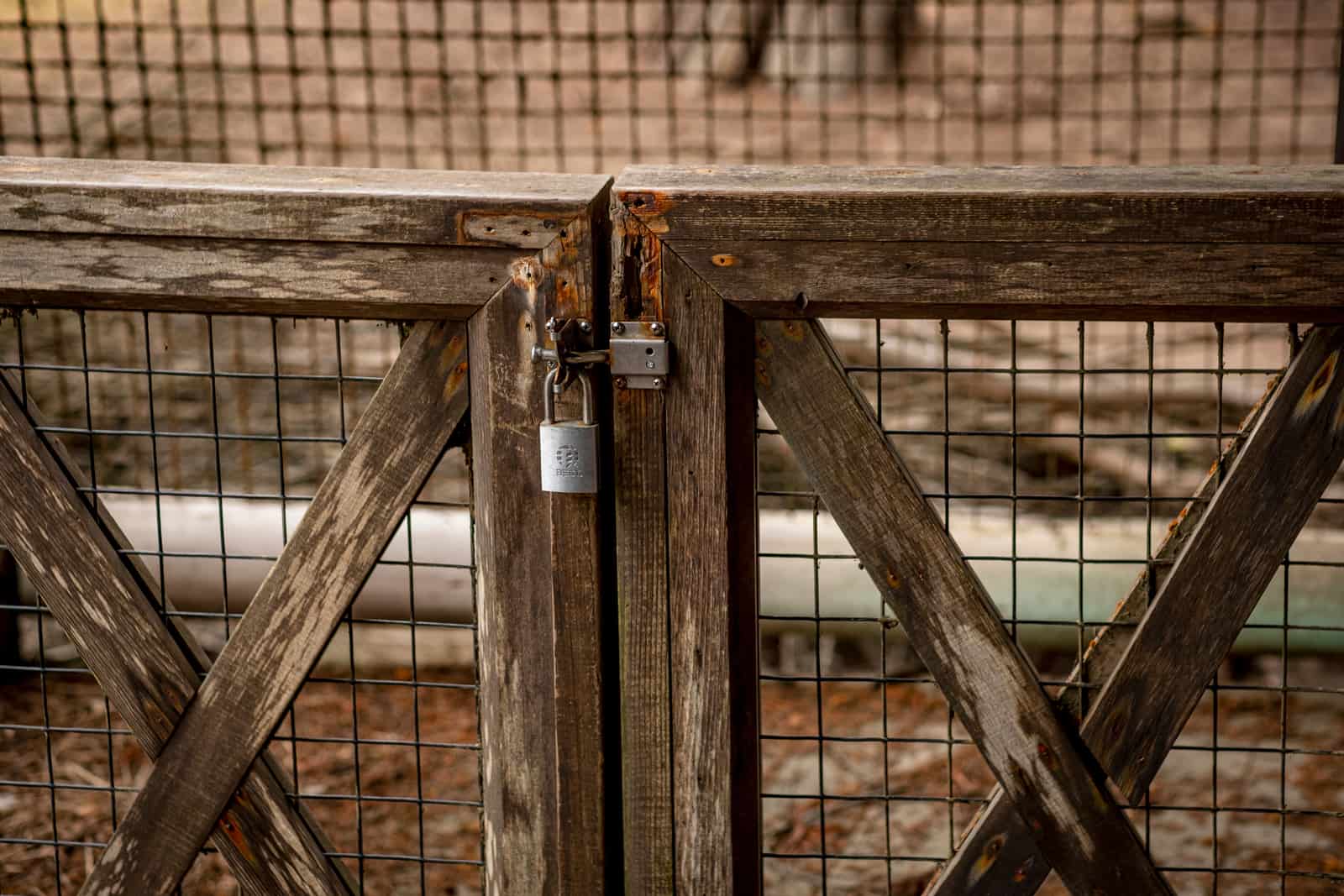
Latches a raccoon cannot open
Why hook-and-eye and spring catches fail, the two-motion principle that works, and where every coop needs a latch it did not ship with.
Predator-proofing a coop, step by step
The full walkthrough: mesh, latches and apron, with a materials list and the openings that get missed.
The best chicken coops with attached runs
Coop-and-run kits ranked on measured whole-unit area, with the run counted honestly rather than sold to you as coop floor.
The closest thing to a predator-proof coop
The coops with the best security starting point, each listed with the exact upgrade it still requires before birds go in.