Rats in the chicken coop
Rats are the one coop problem that arrives because of something you are doing rather than something that found you. They come for the feed, and everything else follows from that.
We have not handled these coops, and we do not pretend to have. Here is what we did instead. Links to Amazon earn us a commission at no extra cost to you - disclosure.

| # | Coop | Best for | Honest count | Price |
|---|---|---|---|---|
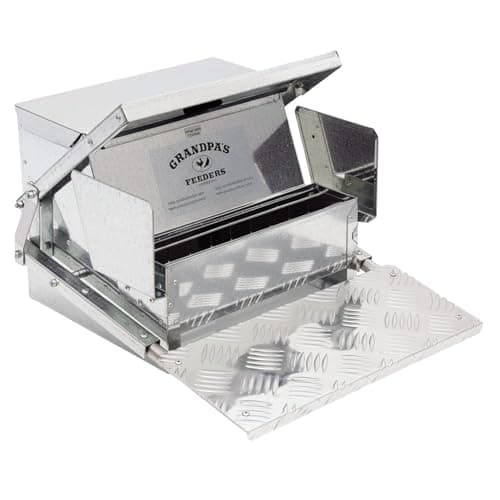
| 1 | 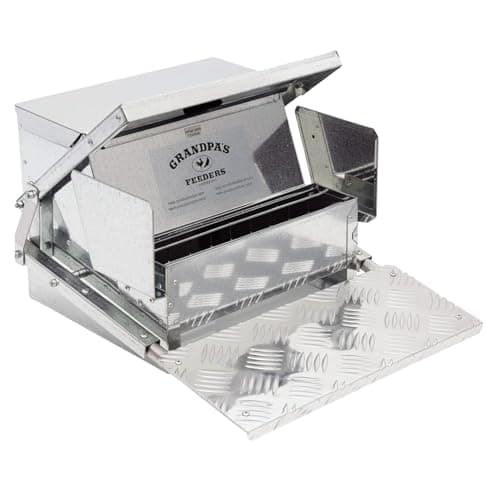 Grandpa's Feeders Automatic Chicken Feeder, 20 lbs TreadleTop pickThe benchmark treadle feeder, and the rare product on this site whose published bird-count claim is conservative rather than inflated. | Rodents, and a claim that survives checking | not published | |
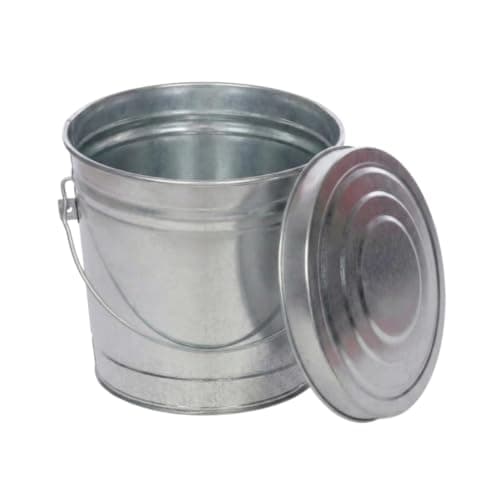
| 2 | 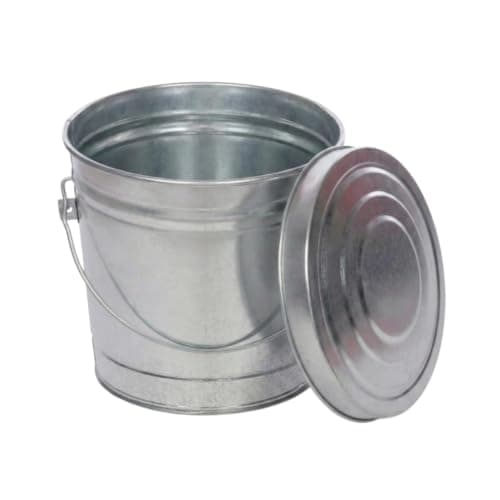 Generic 6 Gallon Galvanized Steel Locking Lid Storage CanGalvanized steel with a locking lid and an offset bottom that keeps it off the ground. A rat cannot chew through it, which a paper feed sack cannot claim. | The half of rodent-proofing everyone skips | not published | |
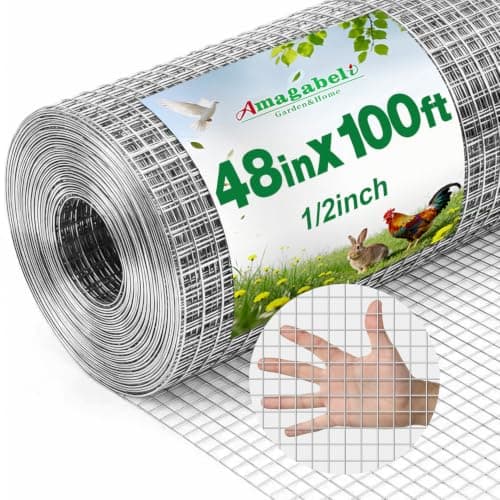
| 3 | 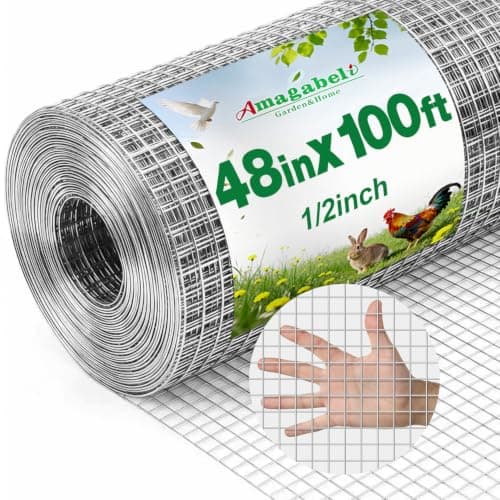 Amagabeli 1/2" Hardware Cloth, 48in x 100ftHalf-inch aperture, 19 gauge, hot-dipped galvanized after welding. This is the specification that actually keeps raccoons out. | The single most important predator purchase | not published | |
| 4 | 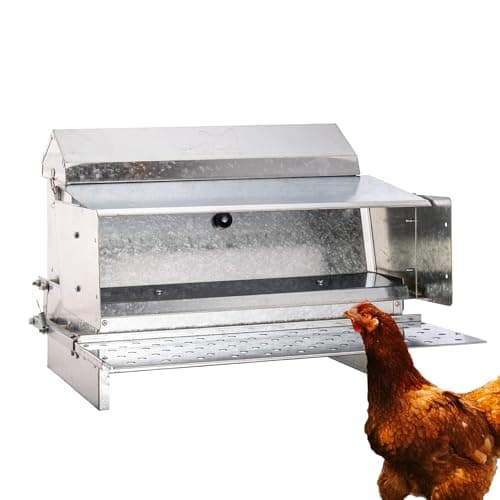 RentACoop Automatic Treadle Chicken Feeder, 25 lbA 25 pound treadle with a detachable step weight, so lighter birds can trigger it - the fix for the one thing treadle feeders reliably get wrong. | A treadle a bantam can actually open | not published | |
| 5 | 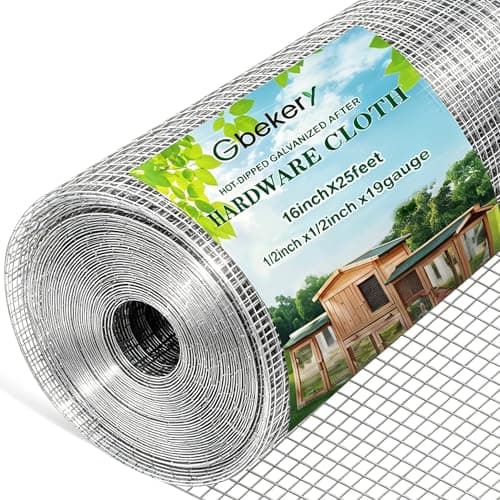 Gbekery 1/2" Hardware Cloth, 16in x 25ftSame half-inch, 19-gauge, galvanized-after-welding specification in a narrow roll - the right shape for a buried apron. | Aprons, skirts and patching | not published |
Every other animal on this site turns up because your birds are there. A raccoon wants the hen, a hawk wants the pullet, a weasel wants whatever it can reach. Rats are different. Rats turn up because a reliable food supply appeared in their neighborhood, and a chicken coop is one of the most reliable food supplies a suburb ever produces.
That distinction decides the whole approach. You cannot make a coop unattractive to a raccoon. You can absolutely make one unattractive to a rat, and it does not involve poison.
What they are actually here for
- Feed left out overnight. An open trough of layer pellets is a nightly buffet, and it is the single largest draw. Nothing else on this list matters as much.
- Spilled feed on the ground. Billing out - birds raking feed sideways out of a trough - puts pounds of grain into the litter over a season. Feeders covers what stops it.
- The feed sack in the shed. A paper bag is not storage, it is packaging. Rats chew through paper and through plastic bins alike.
- Eggs, once they find them. Rats take eggs and will take chicks; adult birds are rarely the target but a rat population around a coop is not harmless to them.
- Shelter. Warm, dry, undisturbed space under a raised coop or behind a stack of anything is exactly the harborage a colony needs.
The mesh figure is the same one as always
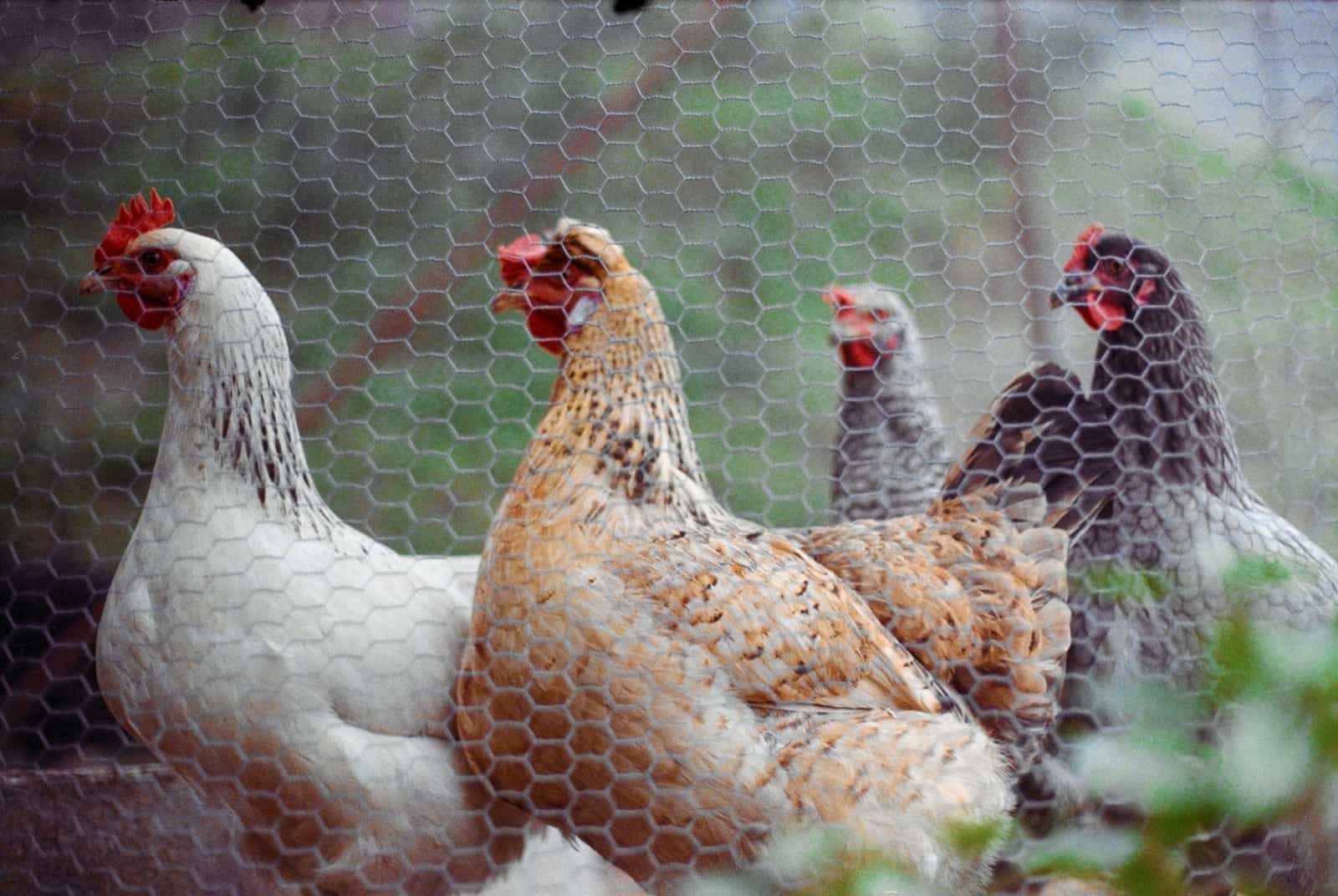
This site repeats the half-inch hardware cloth figure on most predator pages, and rats are the reason it is not negotiable at the low end. A rat passes through anything it can get its skull through, and chicken wire's inch-plus hexagons are not an obstacle at all.
Half-inch welded hardware cloth in 19 gauge excludes them. The gauge matters here more than it does for a raccoon, because a rat works at a fixed point with teeth for as long as it takes, and thin mesh sold under the same name bends and parts. Hardware cloth against chicken wire has the full comparison.
| Entry point | Why it is missed | The fix |
|---|---|---|
| Under the wall line | It is below eye level and usually behind something | A ground apron of half-inch cloth, laid flat and pinned outward |
| Vent openings | They are meshed with something coarser because airflow matters | Half-inch cloth over every vent, stapled at close spacing |
| The gap behind a pull-out tray | It only exists when the tray is fitted | Check with the tray in place, then mesh it |
| Where the run meets the coop | Two structures, two edges, one seam | Overlap the mesh across the junction and fix through both layers |
| Under a coop on permanent wheels | The coop never sits on the ground | Skirt it, or use a lift kit that lowers the coop - see coop wheel kits |
Harborage: the part nobody does
Rats need somewhere to live that is close to the food. Remove the somewhere and the food becomes a commute rather than a residence, which is enough to move a colony on.
- Clear the perimeter. Stacked timber, old pallets, bags of compost and long grass against a run wall are all nesting sites with a view of the feeder.
- Close the space under a raised coop, or open it up completely. A rat wants sheltered and undisturbed - a skirted base or a genuinely open, visible gap both remove that.
- Keep the litter dry and turned. Deep litter that is worked regularly is not a stable burrow; wet, capped litter in a corner is.
- Do not compost spilled feed next to the run. A compost heap against the coop is a second food source with bedding thrown in.
What we would buy, in order
- A feeder that closes overnight. This is the highest-value purchase on the page by a wide margin, because it removes the reason rats came.
- A metal feed can with a locking lid. A rodent-proof feeder next to a paper sack solves half the problem and leaves the other half in the shed.
- Half-inch hardware cloth, enough for a ground apron and every vent. You probably already own some; measure before assuming you have enough.
- Traps, last and only if a population is already established. Extension guidance on farm rodents is consistent that trapping and baiting are ongoing management, not exclusion - they thin what is there while the first three stop the next one.
The picks
Top pick · Rodents, and a claim that survives checking
Grandpa's Feeders Automatic Chicken Feeder, 20 lbs Treadle
The benchmark treadle feeder, and the rare product on this site whose published bird-count claim is conservative rather than inflated.
What the numbers say
The manufacturer does not publish the dimensions this calculation needs, so we do not print a number.
Figures from Grandpa's Feeders published specifications (Amazon listing) · 17"L x 15"W x 12"H, 20 lb capacity · Galvanized steel
The listing claims it feeds 6 chickens for up to 10 days. Run that against the published feed figure - roughly 0.25 pounds per laying hen per day - and six birds for ten days is 15 pounds against a 20 pound capacity. The claim is not only plausible, it leaves headroom. We almost never get to write that sentence.
The lid only opens when a bird stands on the treadle, which is the entire rodent argument. Feed left in an open trough overnight is a standing invitation, and University of Minnesota Extension names house mice and Norway rats as the specific problem.
An anti-flick grill sits in the trough to stop birds raking feed onto the ground. Billing out is where most feed waste actually goes, and a grill addresses it directly rather than by exhortation.
Side guards stop birds feeding from the sides. That sounds like a detail and is not - side access is how birds get pecked at a feeder and how feed gets scattered.
Good
- Published claim of 6 chickens for 10 days checks out against the feed arithmetic
- Lid closes when no bird is standing on it - rodents and wild birds shut out
- Anti-flick grill addresses billing out, the main source of waste
- Galvanized steel, and a brand that has been doing this for decades
Not so good
- Comfortably the most expensive feeder here
- Birds must be trained to the treadle, which takes days and patience
- Light birds and bantams may not weigh enough to trigger it
- One trough means one feeding station, not the 3 inches per bird a trough figure assumes
Skip this if: your flock is mostly bantams or young pullets. A treadle needs a bird heavy enough to work it, and a feeder your smallest birds cannot open is a feeder that starves the bottom of the pecking order.
#ad · how this is funded · price as of September 21, 2026
Pick 2 · The half of rodent-proofing everyone skips
Generic 6 Gallon Galvanized Steel Locking Lid Storage Can
Galvanized steel with a locking lid and an offset bottom that keeps it off the ground. A rat cannot chew through it, which a paper feed sack cannot claim.
What the numbers say
The manufacturer does not publish the dimensions this calculation needs, so we do not print a number.
Figures from Generic published specifications (Amazon listing) · 13.95"L x 13.83"W x 14.97"H, 6 gallon · Galvanized steel
A rodent-proof feeder and a paper sack of feed in the shed is a solved problem next to an unsolved one. Extension guidance on backyard rodents is consistent that feed goes in a sealed metal or hard plastic container.
Metal rather than plastic is the specification that matters. Rats chew through plastic bins, and the difference between a lidded plastic tub and a galvanized can is whether the lid is a barrier or a suggestion.
The offset bottom keeps the can off the ground, which is about damp rather than rodents. Feed that absorbs moisture cakes and goes moldy, and University of Minnesota Extension names removing wet feed as part of keeping rodent problems down.
Six gallons holds a manageable sack rather than a bulk delivery. That is the right size for a backyard flock buying feed at the rate a small flock eats it - roughly a quarter pound per hen per day on the published figure.
Good
- Galvanized steel - not something a rat chews through
- Locking lid rather than a press-on one
- Offset bottom keeps the base off damp ground
- Six gallons suits a backyard flock's buying rhythm
Not so good
- Generic brand with no published gauge
- Galvanized steel dents, and a dented lid seals worse
- Six gallons is too small for anyone buying feed in bulk
- Metal in a damp shed will eventually show surface rust
Skip this if: you already store feed in a sealed metal container. This solves one specific gap, and if you have closed it there is nothing here for you.
#ad · how this is funded · price as of September 21, 2026
Pick 3 · The single most important predator purchase
Amagabeli 1/2" Hardware Cloth, 48in x 100ft
Half-inch aperture, 19 gauge, hot-dipped galvanized after welding. This is the specification that actually keeps raccoons out.
What the numbers say
The manufacturer does not publish the dimensions this calculation needs, so we do not print a number.
Figures from Amagabeli published specifications (Amazon listing)
Half-inch aperture is the number that matters. A raccoon can reach through 1in mesh and a weasel walks through 1in chicken wire; half-inch stops both.
Galvanized AFTER welding, not before, is the second specification to check. Welding burns the coating off, so mesh galvanized beforehand rusts at every joint - which is exactly where it needs to hold.
19 gauge is the practical minimum for a coop perimeter. Thinner mesh sold as hardware cloth exists and bends open by hand.
Good
- Half-inch aperture excludes raccoons and weasels
- Hot-dipped galvanized after welding, so joints do not rust first
- 48in width covers most run walls in a single run
Not so good
- Cutting it is hard on the hands and on your snips
- 100ft is more than a small coop needs
- Edges are sharp and need capping or folding
Skip this if: only if you already have half-inch hardware cloth. Do not substitute chicken wire - it is a containment material, not a security one.
Pick 4 · A treadle a bantam can actually open
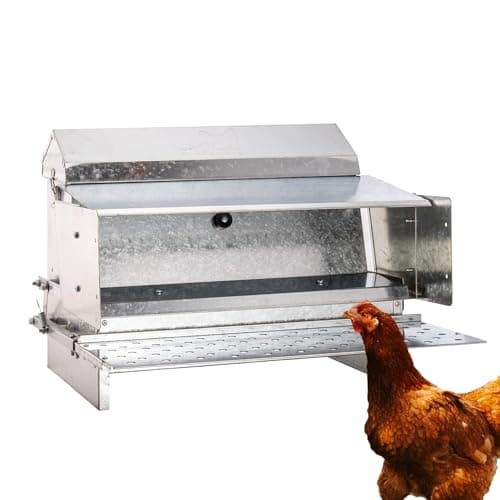
RentACoop Automatic Treadle Chicken Feeder, 25 lb
A 25 pound treadle with a detachable step weight, so lighter birds can trigger it - the fix for the one thing treadle feeders reliably get wrong.
What the numbers say
The manufacturer does not publish the dimensions this calculation needs, so we do not print a number.
Figures from RentACoop published specifications (Amazon listing) · 21"L x 18.5"W x 14"H, 25 lb capacity · Galvanized metal with stainless-steel hardware
The detachable step weight is the specification that matters. Every treadle feeder has a threshold a bird must exceed, and the usual failure is a flock of silkies or young pullets standing next to a feeder they cannot open. Making that threshold adjustable is the right answer.
The step also locks shut overnight, which turns a feed-on-demand feeder into a closed container at exactly the hours rodents are working.
A grate in the trough stops billing out, and an adjustable internal feed-flow plate lets you restrict how much feed sits exposed at once - which is the mechanical version of Penn State's advice to fill a trough only a third to a half full.
The box includes two blinders, a rain cover and an anti-roost lid. The anti-roost part is not decorative: anything flat at bird height in a coop becomes a perch, and a perch over a feeder means droppings in the feed.
Good
- Detachable step weight so bantams and light birds can trigger it
- Treadle locks shut overnight, closing the feeder to rodents entirely
- Adjustable feed-flow plate controls how much feed is exposed
- Ships with rain cover, anti-roost lid and blinders rather than selling them separately
Not so good
- Still expensive, even sitting below the category benchmark
- The largest footprint here at 21 by 18.5 inches - it needs real floor space
- Training period applies the same as any treadle
- Galvanized metal in a wet run will eventually show wear at the hinge
Skip this if: your coop floor is tight. Twenty-one inches by eighteen and a half is a meaningful share of a small coop's measured floor, and floor area is the thing this site spends most of its time telling people not to give away.
#ad · how this is funded · price as of September 21, 2026
Pick 5 · Aprons, skirts and patching
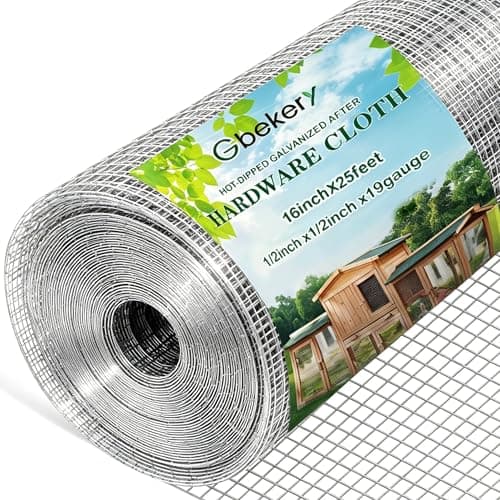
Gbekery 1/2" Hardware Cloth, 16in x 25ft
Same half-inch, 19-gauge, galvanized-after-welding specification in a narrow roll - the right shape for a buried apron.
What the numbers say
The manufacturer does not publish the dimensions this calculation needs, so we do not print a number.
Figures from Gbekery published specifications (Amazon listing)
A 16in width is awkward for walls and ideal for a predator apron: laid flat around the base of a run, it is exactly the skirt that stops digging.
Same specification that matters as the wide roll - half-inch aperture, 19 gauge, galvanized after welding.
25ft covers the perimeter of a small run without buying 100ft you will not use.
Good
- Right width for an apron or skirt
- Same protective specification as the wide roll
- Sensible quantity for a small coop
Not so good
- Too narrow to sheet a run wall efficiently
- 25ft goes quickly on anything large
- Still needs pinning down or burying
Skip this if: you are sheeting walls. Buy the 48in roll for that and use this width for the ground apron.
How to tell whether it worked
Rats are nocturnal and good at not being seen, so judge by evidence rather than sightings. Smooth runs worn along the base of a wall, droppings in a consistent line, feed disappearing faster than the flock can eat it, and holes at the wall line that reopen after you fill them are the signs that a population is still resident.
Fill a suspected hole loosely with crumpled paper and look the next morning. Reopened means active. That is a more reliable test than standing outside at night with a flashlight.
Where to go next
- Chicken feeders - the treadle and port formats, and what billing out costs you
- Hardware cloth against chicken wire - the aperture and gauge argument in full
- Stopping predators that dig - the ground apron method, which does double duty here
- Weasels, mink and the gaps you cannot see - the other small-aperture problem
Questions people actually ask
+How do I get rid of rats in my chicken coop?
+Will rats hurt my chickens?
+What size mesh keeps rats out?
+Does a treadle feeder stop rats?
+Should I use poison for rats around chickens?
+Why do rats keep coming back after I block the holes?
Sources
- University of Minnesota Extension - Common concerns with backyard or urban poultry keeping (remove wet feed and soiled bedding; cleanliness reduces house mice and Norway rats)
- Penn State Extension - Small-scale poultry housing
- Alabama Cooperative Extension - Feeding the laying hen (a laying hen eats 100-150 grams, roughly 0.25 lb, of feed per day; crumbles are wasted more than pellets)
- University of Minnesota Extension - Raising chickens for eggs (3-5 sq ft indoor space per bird; one nest box per 4-5 birds)
Read next
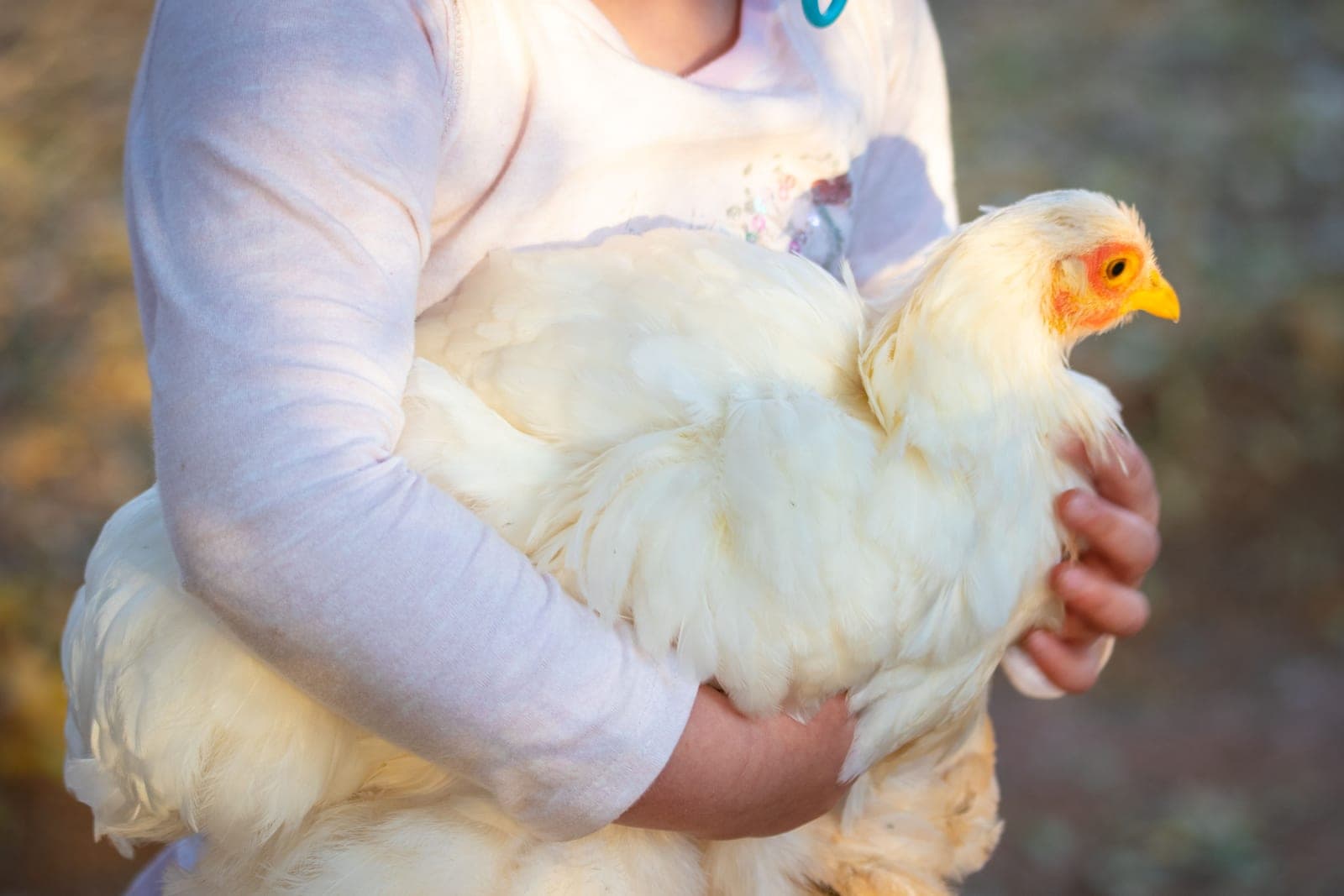
Chicken feeders, ranked on waste and rodents
Treadle, port and DIY feeders measured against the published 3 inches of feeder space per bird and 0.25 lb of feed per hen per day.
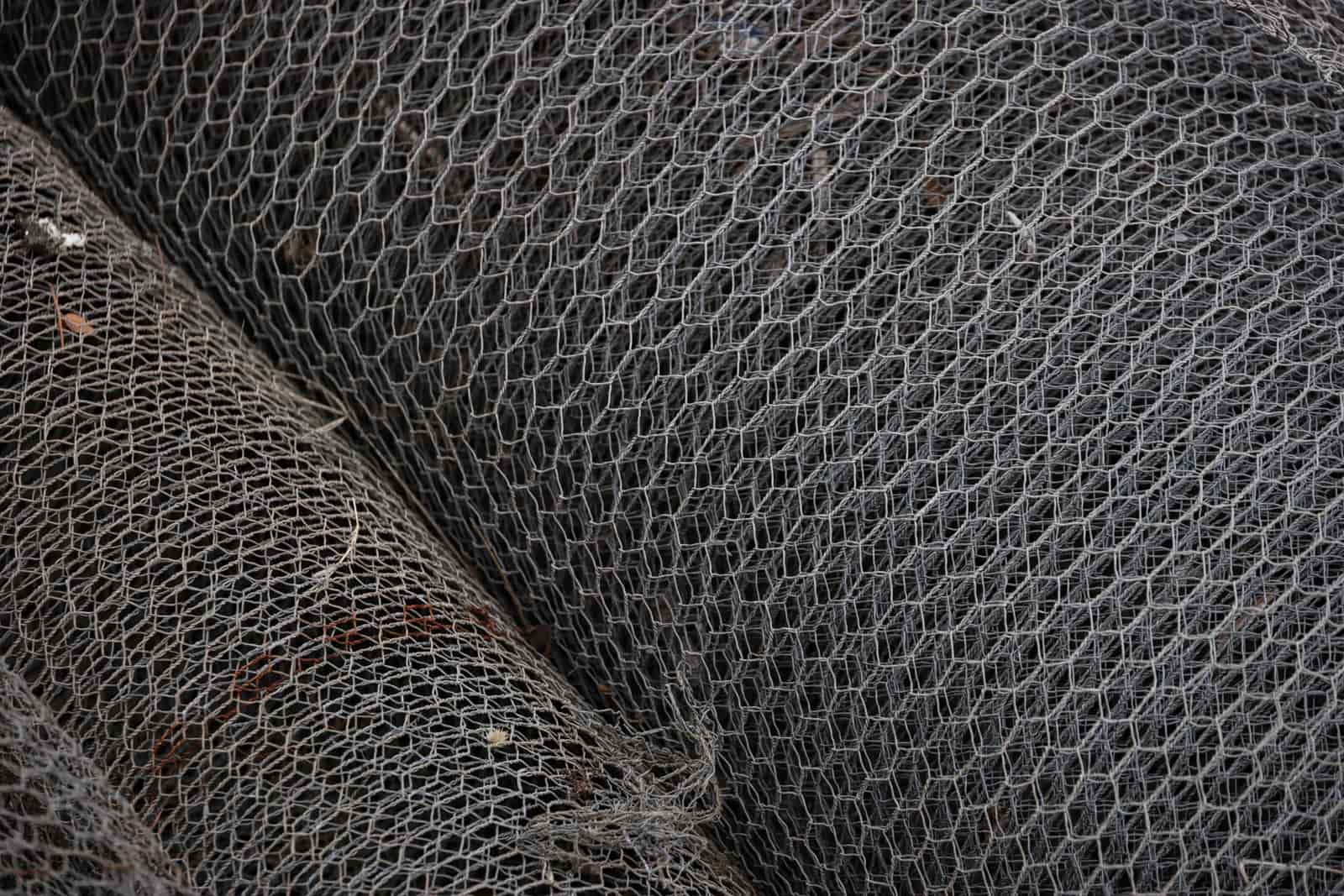
Hardware cloth against chicken wire
Why hexagonal chicken wire fails, what gauge and aperture to buy instead, and how many feet a typical coop actually needs.
Stopping predators that dig under the run
Why the apron beats a buried perimeter, how to lay one properly, and how much hardware cloth a typical run needs.
Predator-proofing, as numbers rather than adjectives
The three specifics that decide whether a coop holds - aperture, gauge and latch - with the products that fix what every kit gets wrong.
Weasels, mink and the gaps you cannot see
Why welded mesh sold as secure still lets small predators walk in, the half-inch rule, and where the overlooked gaps are.
A cleaning routine you will actually keep
Daily, weekly and seasonal jobs sized so they get done, plus the mite inspection nobody schedules until it is too late.