Predator deterrent lights, and the habituation problem
Solar flashing lights are the cheapest thing sold as predator protection. The published wildlife guidance says frightening devices reduce losses for short periods - and names habituation as the reason they stop.
We have not handled these coops, and we do not pretend to have. Here is what we did instead. Links to Amazon earn us a commission at no extra cost to you - disclosure.
| # | Coop | Best for | Honest count | Price |
|---|---|---|---|---|
| 1 | 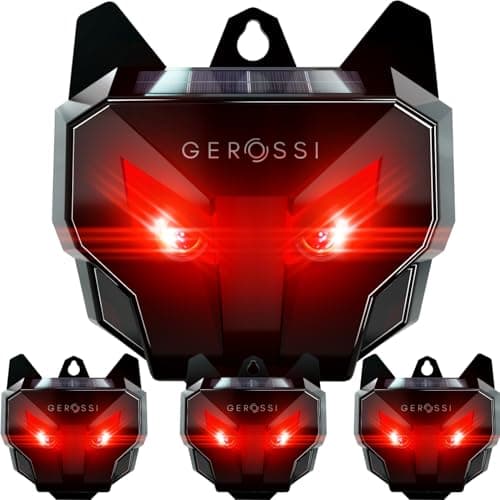 GEROSSI Solar Predator Lights for Chicken Coop, 4 PackTop pickFour units, IP65, and the one listing in this category that publishes an actual number - two red LEDs flashing at 4 Hz. | The only one publishing a flash rate | not published | |
| 2 | 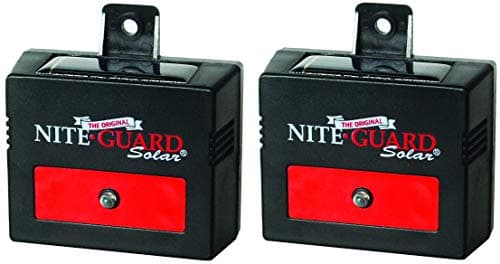 Nite Guard Solar NG-001 Predator Control Light, 2 PackA constant flash from dusk to full daylight, solar, weatherproof and with no switches at all. The reference product, and the one the generics copy. | The brand the category is named after | not published | |
| 3 | 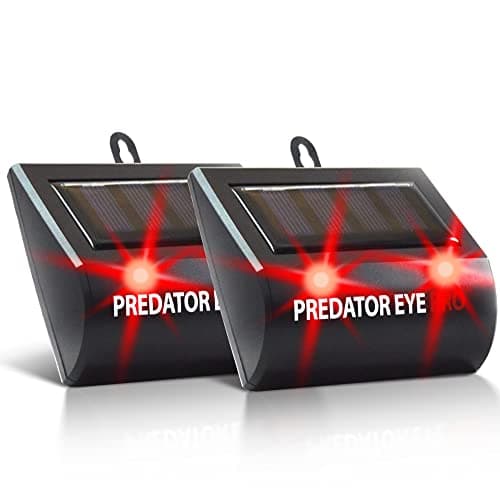 ASPECTEK Predator Eye PRO Solar Animal Repeller, 2 PackTwo red flashing lights meant to read as the eyes of a larger animal, and a listing unusually clear that it flashes continuously rather than on motion. | A listing that tells you it is not motion-activated | not published | |
| 4 | 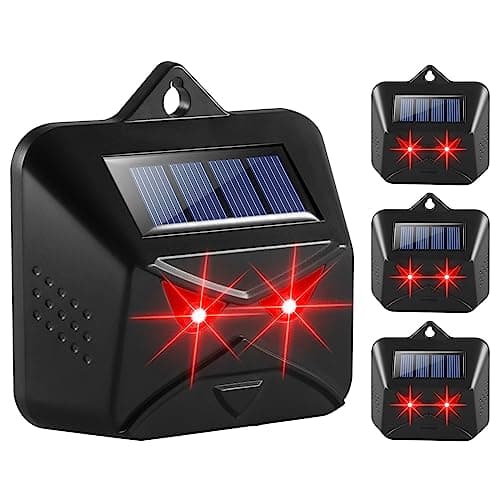 Jahy2Tech Solar Nocturnal Animal Repeller Predator Lights, 4 PackFour IP65 units rated from -20C to 65C at the lowest price here - and a listing with a competitor's brand name stuffed into its title. | The cheapest way to find out whether they help | not published | |
| 5 | 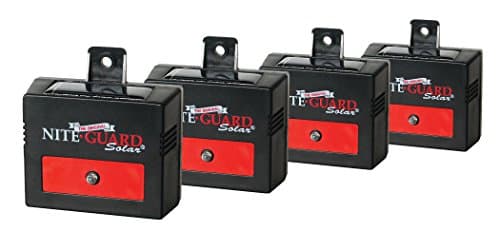 Nite Guard Solar Predator Control Light, Pack of 4The same unit in fours, which is what the published advice on frightening devices actually points at - several positions rather than one. | Covering every approach at once | not published | |
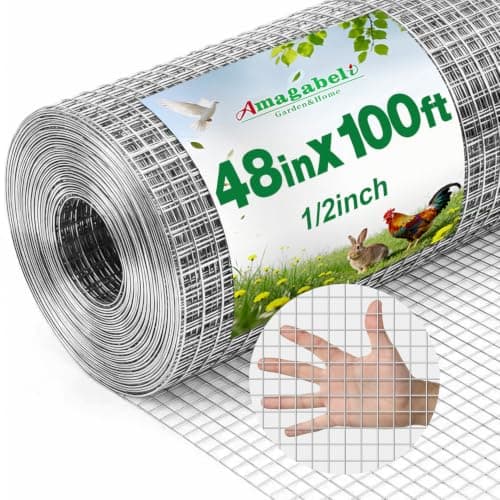
| 6 | 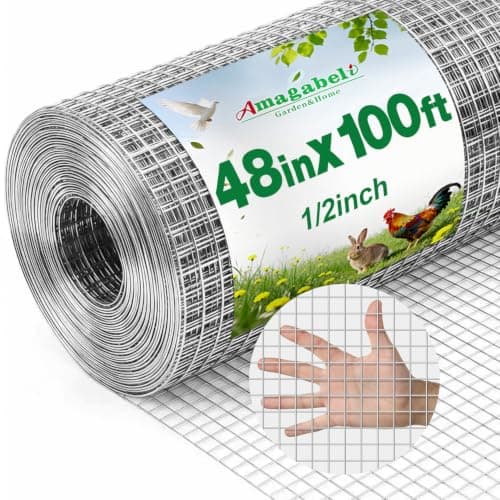 Amagabeli 1/2" Hardware Cloth, 48in x 100ftHalf-inch aperture, 19 gauge, hot-dipped galvanized after welding. This is the specification that actually keeps raccoons out. | The single most important predator purchase | not published |
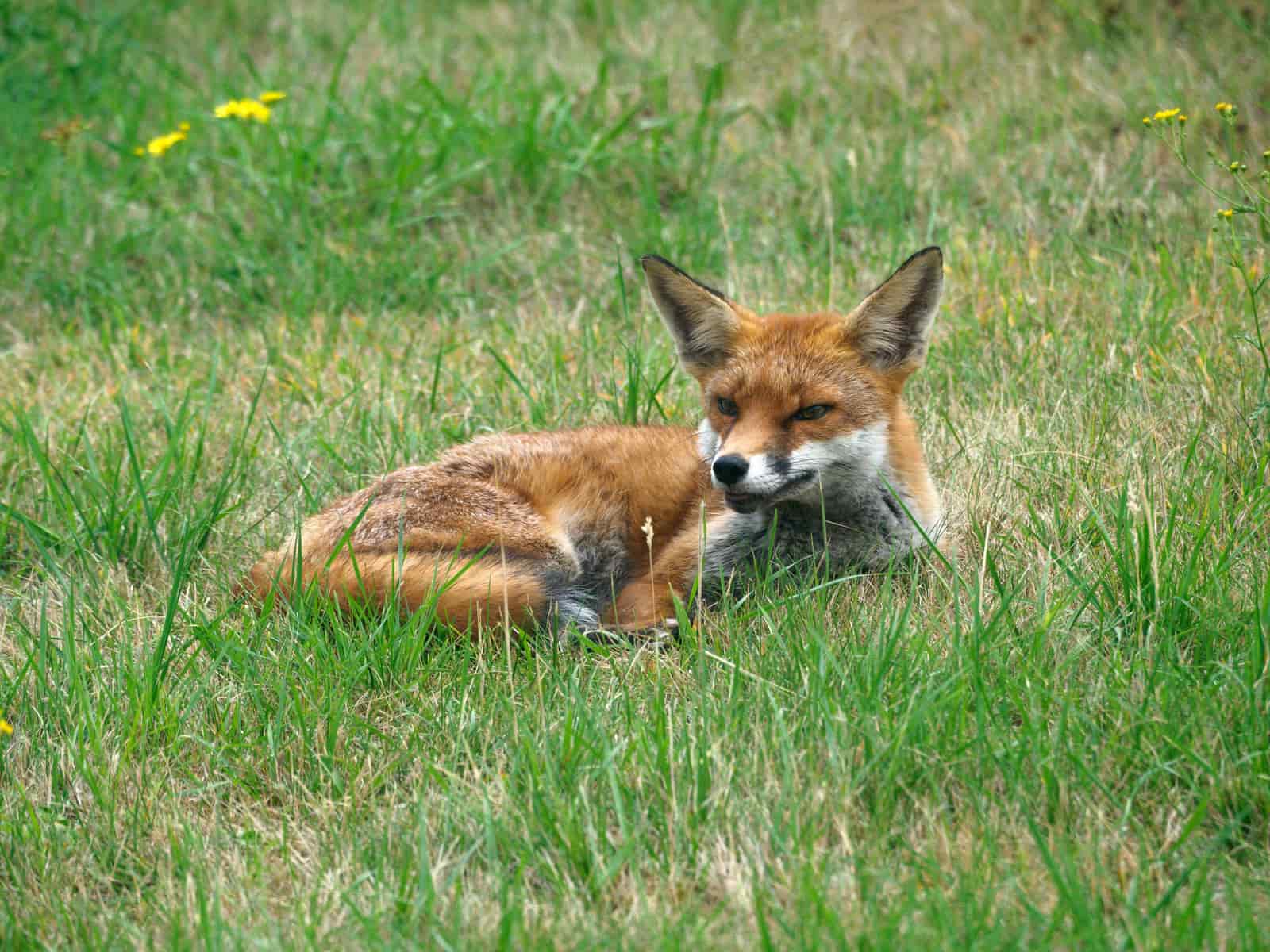
These turn up in every backyard chicken forum and on every marketplace, usually for less than the cost of a bag of feed. Two red LEDs, a small solar panel, a claim that predators will read them as the eyes of something larger and go around.
The honest position is somewhere between the marketing and the dismissal, and the published wildlife damage guidance is specific enough to locate it.
What the published guidance actually says
The Internet Center for Wildlife Damage Management is the standard reference for this, and its coyote chapter addresses frightening devices directly. Three statements matter.
| Statement | What it means for a coop |
|---|---|
| Frightening devices are useful for reducing losses during short periods of time, or until the predators are removed | This is a stopgap, not a permanent fix. Buy it as one |
| Avoid habituation and increase the effectiveness by varying the position, appearance, duration, or frequency of the stimuli, or use them in combinations | A light bolted in one place flashing identically every night is the configuration this warns against |
| Bright lights installed above corrals reduce losses of sheep to coyotes ... set the lights to revolve or flash to enhance effectiveness | There is real published support for flashing lights - in a corral, over sheep, at scale |
Habituation is the whole problem
Every product on this page is a fixed-position device emitting a constant, unvarying stimulus every night indefinitely. Read that against the guidance again: avoid habituation by varying the position, appearance, duration or frequency.
These devices are, by design, the configuration the guidance tells you to avoid. That does not make them useless - it makes them something you have to manage rather than install and forget.
- Move them. Every few weeks, change which post each unit is on. This is free and it is the single thing most likely to keep them working.
- Use more than one, facing different approaches. The guidance points at combinations, and one light covers one line of approach.
- Combine them with something that is not a light. A radio on a timer, a motion-triggered sprinkler, a dog - varied stimuli habituate more slowly than a single one.
- Treat a fresh kill as evidence the deterrent has failed at that position, and move it that day rather than waiting.
What they cannot do at all
- Daylight. Every unit here switches off at dawn. Hawks hunt in daylight, and a flashing light does nothing about them - hawks, owls and the daylight problem is the page for that.
- Rats. Rodents are coming for the feed and are not deterred by a light near it. Rats in the chicken coop covers feed denial and exclusion.
- A raccoon that already knows the coop. An animal that has fed successfully is far harder to move on than one prospecting, and a new light in a known food location is a weak signal against a strong memory.
- Anything that gets past mesh. A light is not a barrier. Half-inch hardware cloth and a latch a raccoon cannot open are barriers - how to predator-proof a coop.
How we judged
- Published specification of any kind. Almost nothing in this category publishes a flash rate, a brightness or a range, and the one product that does is ranked first for it.
- Honesty about the mechanism - particularly whether the listing admits the unit flashes continuously rather than triggering on motion, which most buyers assume.
- Unit count and price, because the published guidance points at multiple positions rather than one device.
- Weather rating, since these live outdoors through winter and cheap solar units die in their second season.
- Placement guidance in the listing. A maker that tells you to mount at the animal's eye height facing the approach path understands the product better than one that says stick it anywhere.
- What the listing claims. Language like predator proof on a flashing light is overstatement, and we say so on the pick.
Placement, which matters more than the brand
The units are close enough in function that where you put them will decide the outcome more than which you buy.
- Mount at the eye height of the animal you are trying to move on - low for a fox or raccoon, not up under the eaves where it lights the roof.
- Face it outward, along the path an animal actually uses. Fence lines, gaps in hedges, the gate, the route from the treeline.
- One per approach. A single light on the coop wall protects one aspect and tells you nothing about the other three.
- Keep the panel clean and in sun. Every listing here says so, and a dirty panel in November is a dead unit in December.
- Check them. A solar deterrent that stopped working in the autumn is a deterrent you believe you have and do not.
The picks
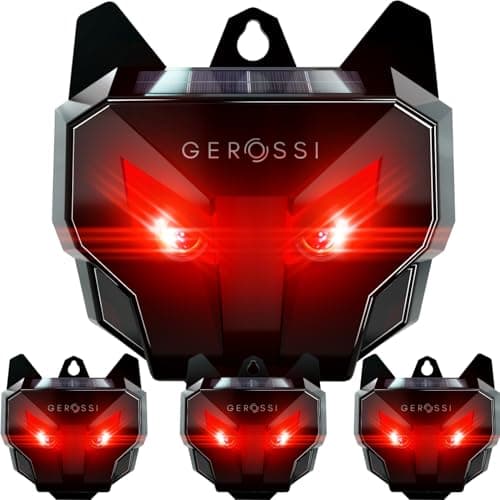
Top pick · The only one publishing a flash rate
GEROSSI Solar Predator Lights for Chicken Coop, 4 Pack
Four units, IP65, and the one listing in this category that publishes an actual number - two red LEDs flashing at 4 Hz.
What the numbers say
The manufacturer does not publish the dimensions this calculation needs, so we do not print a number.
Figures from GEROSSI published specifications (Amazon listing) · 3.5"L x 1.2"W x 3.5"H per unit, 4 units · IP65-rated housing with solar panel
A published flash rate of 4 Hz is the only hard specification anywhere in this category, and it is worth rewarding. Everything else here says flashing and leaves you to guess.
The placement guidance in the listing is better than most: one unit on each side of the coop or run, mounted at the eye height of the animal you want gone, facing the path it uses. That is closer to how the wildlife guidance describes deploying frightening devices than the usual stick-it-anywhere advice.
IP65 and a light sensor that switches on at dusk and off at dawn. Same automatic operation as the brand units, at roughly a third of the price for four.
The listing uses the phrase predator proof chicken coop after dark, which is doing a lot of work. A flashing light is not proofing anything - it is a deterrent, and the difference is the whole argument of this page.
Good
- Publishes a 4 Hz flash rate - the only measurable spec in the category
- Placement guidance that matches how frightening devices are meant to be deployed
- IP65 rated, fully automatic, four units at a low price
- Button-press setup with no wiring or batteries
Not so good
- The predator proof phrasing in the listing overstates what a light does
- Generic brand with no track record behind the specification
- Fixed constant flash, like everything else here
- Four small units mean four solar panels to keep clean
Skip this if: you want a single unit to try. A four-pack is the wrong purchase for testing whether deterrent lights do anything at your site.
#ad · how this is funded · price as of September 21, 2026
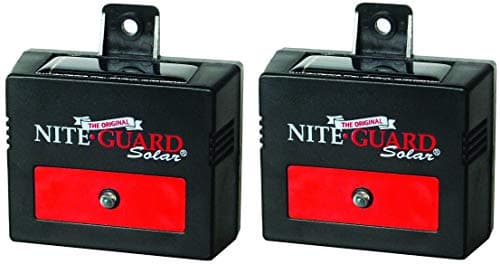
Pick 2 · The brand the category is named after
Nite Guard Solar NG-001 Predator Control Light, 2 Pack
A constant flash from dusk to full daylight, solar, weatherproof and with no switches at all. The reference product, and the one the generics copy.
What the numbers say
The manufacturer does not publish the dimensions this calculation needs, so we do not print a number.
Figures from Nite Guard published specifications (Amazon listing) · Weatherproof sealed housing with integral solar panel
The listing describes the mechanism without embroidering it: a constant flash of light telling animals that hunt at night they have been discovered or are being watched. No sound, no spray, no motion trigger.
Solar and light-sensitive, on at dusk and off at full daylight, with no switches - you peel the tape off the panel and mount it. That is genuinely all the setup there is.
Note what constant flash means against the published guidance. The Internet Center for Wildlife Damage Management advises avoiding habituation by varying the position, appearance, duration or frequency of a frightening stimulus - and a fixed unit flashing identically every night is the opposite of varied. Move it.
Two units is the sensible starting quantity rather than the finished installation. The same guidance points at using devices in combinations, and one light covers one approach line.
Good
- The established brand in the category, with a plainly stated mechanism
- Fully automatic - no switches, no wiring, no batteries to change
- Weatherproof and solar, so it runs itself once mounted
- Two units lets you cover two approach lines from the start
Not so good
- Most expensive per unit here by a clear margin
- Fixed position and constant flash is the configuration most prone to habituation
- Does nothing in daylight, so hawks are untouched
- The title reads Single Pack (2-Pack), which is confusing before you buy
Skip this if: your coop is not yet closed with half-inch hardware cloth and two-motion latches. A deterrent is a supplement to exclusion, and buying one first is spending money in the wrong order.
#ad · how this is funded · price as of September 21, 2026
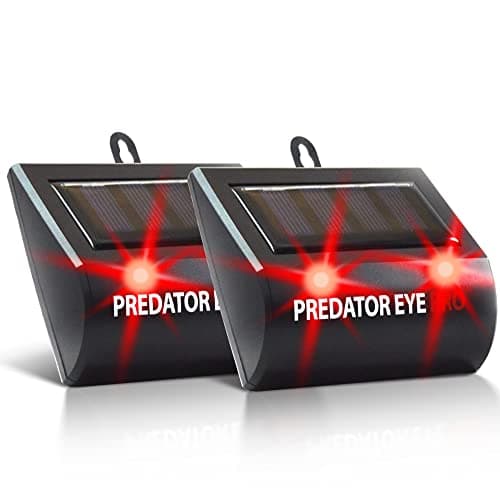
Pick 3 · A listing that tells you it is not motion-activated
ASPECTEK Predator Eye PRO Solar Animal Repeller, 2 Pack
Two red flashing lights meant to read as the eyes of a larger animal, and a listing unusually clear that it flashes continuously rather than on motion.
What the numbers say
The manufacturer does not publish the dimensions this calculation needs, so we do not print a number.
Figures from ASPECTEK published specifications (Amazon listing) · 3.8"L x 3.4"W x 2"H · Solar housing with rear mounting
The useful sentence in this listing is the one drawing a distinction: unlike motion-activated repellents, this device flashes continuously at night. Buyers routinely assume these things trigger on approach, and most of them do not.
Two red LEDs designed to resemble the eyes of a larger predator is the stated principle across this whole category. Take it as the design intent rather than a demonstrated result - none of these listings cites a study, and neither will we.
The listing asks you to install it in direct sunlight and keep the panel clean, which is the maintenance nobody does and the reason half of these end up dead by February.
Rear mounting for fences, posts, coop walls, barns and building corners. At 3.8 inches it is the bulkiest unit here, which matters only if you are mounting it somewhere visible.
Good
- States plainly that it flashes continuously rather than on motion
- Names the animals it is aimed at rather than claiming everything
- Rear mount suits fence rails, posts and coop walls
- Mid-range price for a recognized brand
Not so good
- Bulkiest unit on this page
- Continuous flash is the pattern habituation defeats fastest
- Needs direct sun and a clean panel, which is real maintenance
- No published flash rate or brightness to compare against others
Skip this if: you wanted a motion-triggered device. The listing is honest that this is not one, and a light that only fires when something approaches is a different product with a different failure mode.
#ad · how this is funded · price as of September 21, 2026
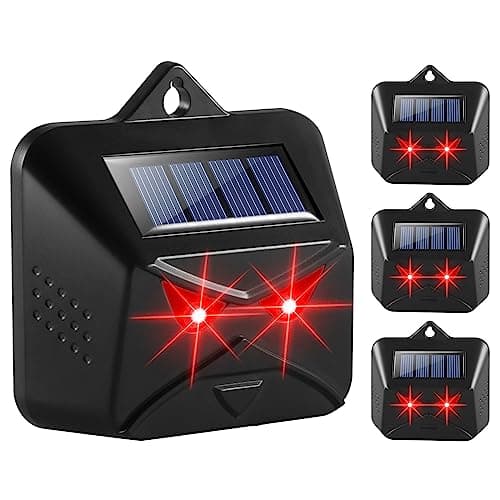
Pick 4 · The cheapest way to find out whether they help
Jahy2Tech Solar Nocturnal Animal Repeller Predator Lights, 4 Pack
Four IP65 units rated from -20C to 65C at the lowest price here - and a listing with a competitor's brand name stuffed into its title.
What the numbers say
The manufacturer does not publish the dimensions this calculation needs, so we do not print a number.
Figures from Jahy2Tech published specifications (Amazon listing) · 4 units; listing states IP65 and -20C to 65C operating range · IP65-rated weather-resistant casing
Read the title before you buy. It contains the words Nite Guard Solar Lights, and this is not a Nite Guard product - it is a generic unit using a competitor's brand as a search term. That is legal and common, and it is also the sort of thing worth noticing about a seller.
Setting that aside, the published specification is decent: IP65, an operating range of -20C to 65C, and a recommended mounting height of one to eight feet. A stated cold rating is genuinely useful for a device meant to run through winter.
The listing recommends installing multiple units facing outward for full-perimeter coverage, which is the correct deployment and matches the published advice on using frightening devices in combination.
At this price, four units is roughly what one brand-name unit costs. If you want to test whether deterrent lights do anything at your site before committing, this is the cheap way to find out.
Good
- Lowest price per unit on this page by a wide margin
- Publishes an IP65 rating and a -20C to 65C operating range
- Four units, enough for a full perimeter
- Recommends outward-facing multi-unit placement, which is the right method
Not so good
- Uses a competitor's brand name in its own product title
- No published flash rate or output
- Generic seller with no track record
- Cheap solar units are the ones most likely to be dead by a second winter
Skip this if: you would rather buy from a seller that does not put another company's brand in its title. That is a judgment call about trust rather than about the hardware, and it is a reasonable one to make.
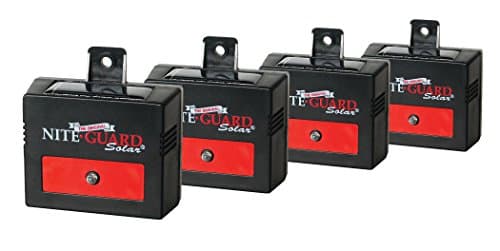
Pick 5 · Covering every approach at once
Nite Guard Solar Predator Control Light, Pack of 4
The same unit in fours, which is what the published advice on frightening devices actually points at - several positions rather than one.
What the numbers say
The manufacturer does not publish the dimensions this calculation needs, so we do not print a number.
Figures from Nite Guard published specifications (Amazon listing) · 3"L x 0.5"W x 3"H per unit · Weatherproof sealed housing with integral solar panel
Four units is the quantity that matches the guidance rather than the budget. Wildlife damage management advice is to use frightening devices in combinations and to vary their position - both of which need more than one device.
At three inches square and half an inch deep these are small enough to mount on a post, a fence rail or a coop corner without looking like an installation.
The mechanism is identical to the two-pack: constant flash, dusk to full daylight, solar, no switches. You are buying quantity, not capability.
Per unit it is the same money as the two-pack. There is no volume discount here, so buy four only if you have four approaches worth covering.
Good
- Four positions, which is what the published guidance on frightening devices calls for
- Small enough to mount discreetly on posts, rails or coop corners
- Same fully automatic solar operation as the two-pack
- Lets you rotate units between positions to slow habituation
Not so good
- Comfortably the highest total price on this page
- No per-unit saving over the two-pack
- Still a fixed, constant stimulus unless you actively move them
- Four lights is more than a small suburban run needs
Skip this if: your run backs onto a fence or a wall on two or three sides. You only need lights on the lines an animal can actually approach from, and paying for four to use two is not thrift.
#ad · how this is funded · price as of September 21, 2026
Pick 6 · The single most important predator purchase
Amagabeli 1/2" Hardware Cloth, 48in x 100ft
Half-inch aperture, 19 gauge, hot-dipped galvanized after welding. This is the specification that actually keeps raccoons out.
What the numbers say
The manufacturer does not publish the dimensions this calculation needs, so we do not print a number.
Figures from Amagabeli published specifications (Amazon listing)
Half-inch aperture is the number that matters. A raccoon can reach through 1in mesh and a weasel walks through 1in chicken wire; half-inch stops both.
Galvanized AFTER welding, not before, is the second specification to check. Welding burns the coating off, so mesh galvanized beforehand rusts at every joint - which is exactly where it needs to hold.
19 gauge is the practical minimum for a coop perimeter. Thinner mesh sold as hardware cloth exists and bends open by hand.
Good
- Half-inch aperture excludes raccoons and weasels
- Hot-dipped galvanized after welding, so joints do not rust first
- 48in width covers most run walls in a single run
Not so good
- Cutting it is hard on the hands and on your snips
- 100ft is more than a small coop needs
- Edges are sharp and need capping or folding
Skip this if: only if you already have half-inch hardware cloth. Do not substitute chicken wire - it is a containment material, not a security one.
The last pick is not a light. It is half-inch hardware cloth, and it is on this page deliberately: the published guidance frames frightening devices as something that buys time until the underlying problem is dealt with, and on a coop the underlying problem is almost always an opening something can get through.
What we did not weigh
We have not tested any of these lights, and we have not found published research on small LED deterrent units at backyard-coop scale. Every listing in this category asserts that predators read the flashes as eyes; none cites a study, and we are not going to supply one that does not exist.
What we can do is report the guidance that does exist for frightening devices generally, note that these products are the fixed-stimulus configuration that guidance warns about, and rank on published specification and honesty of the listing. That is the whole of what this page claims.
Where to go next
- How to predator-proof a coop - the three upgrades that are barriers rather than signals
- Latches a raccoon cannot open - the fastening that actually holds
- Stopping predators that dig - the ground apron, which no light replaces
- Rats in the chicken coop - the one predator a light will not move at all
Questions people actually ask
+Do predator deterrent lights actually work?
+Why do predator lights stop working after a few weeks?
+Are predator lights motion activated?
+Where should I put predator lights around a chicken coop?
+Will predator lights stop hawks?
+Do predator lights keep rats away?
+Are deterrent lights worth buying at all?
Sources
- Internet Center for Wildlife Damage Management - Coyote damage prevention and control methods (frightening devices reduce losses for short periods only; avoid habituation by varying position, appearance, duration or frequency, or using devices in combination; bright revolving or flashing corral lights reduce sheep losses)
- Penn State Extension - Small-scale poultry housing
- University of Minnesota Extension - Common concerns with backyard or urban poultry keeping (remove wet feed and soiled bedding; cleanliness reduces house mice and Norway rats)
- University of Maine Cooperative Extension - Small flock poultry publication 2227e
Read next
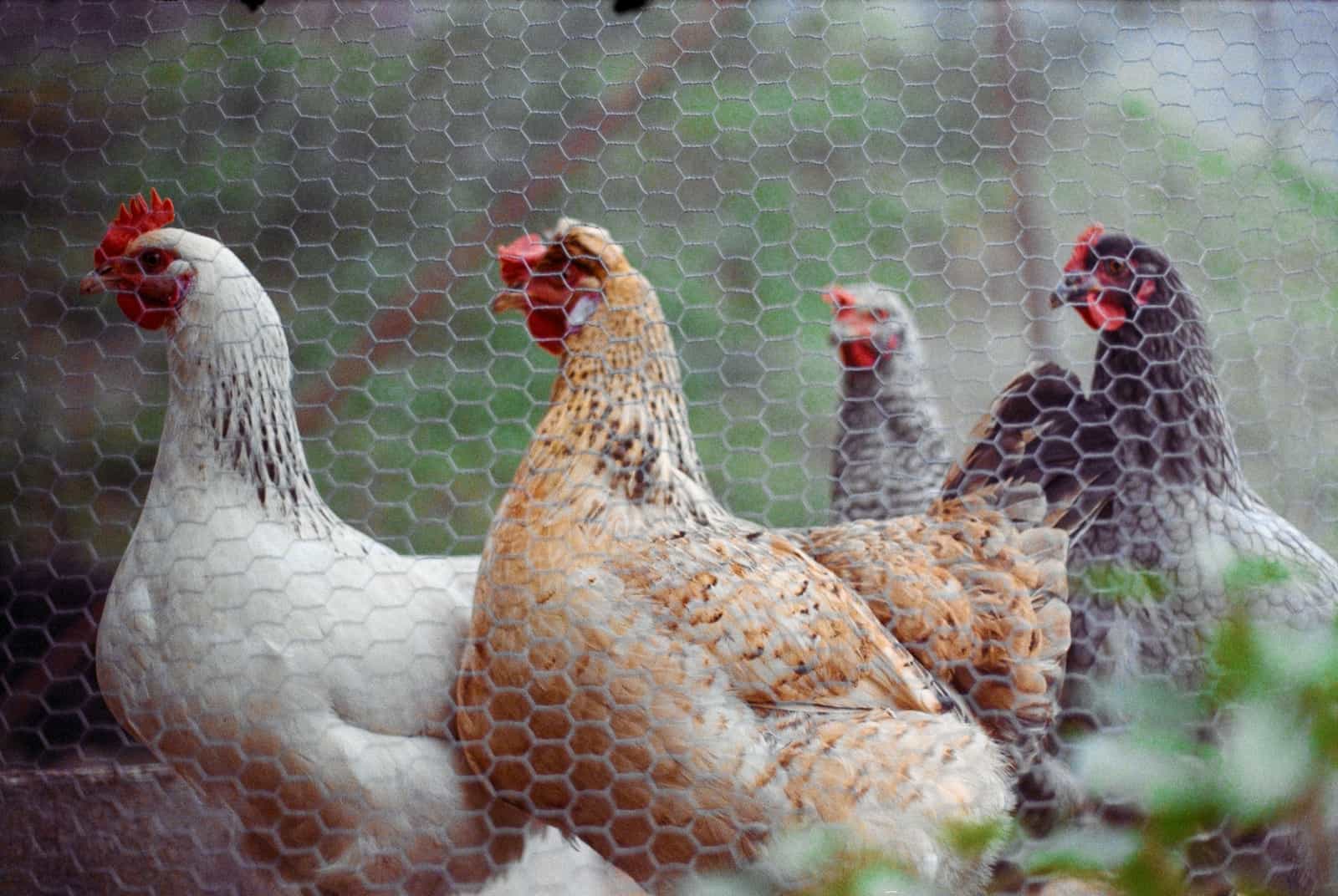
Predator-proofing a coop, step by step
The full walkthrough: mesh, latches and apron, with a materials list and the openings that get missed.
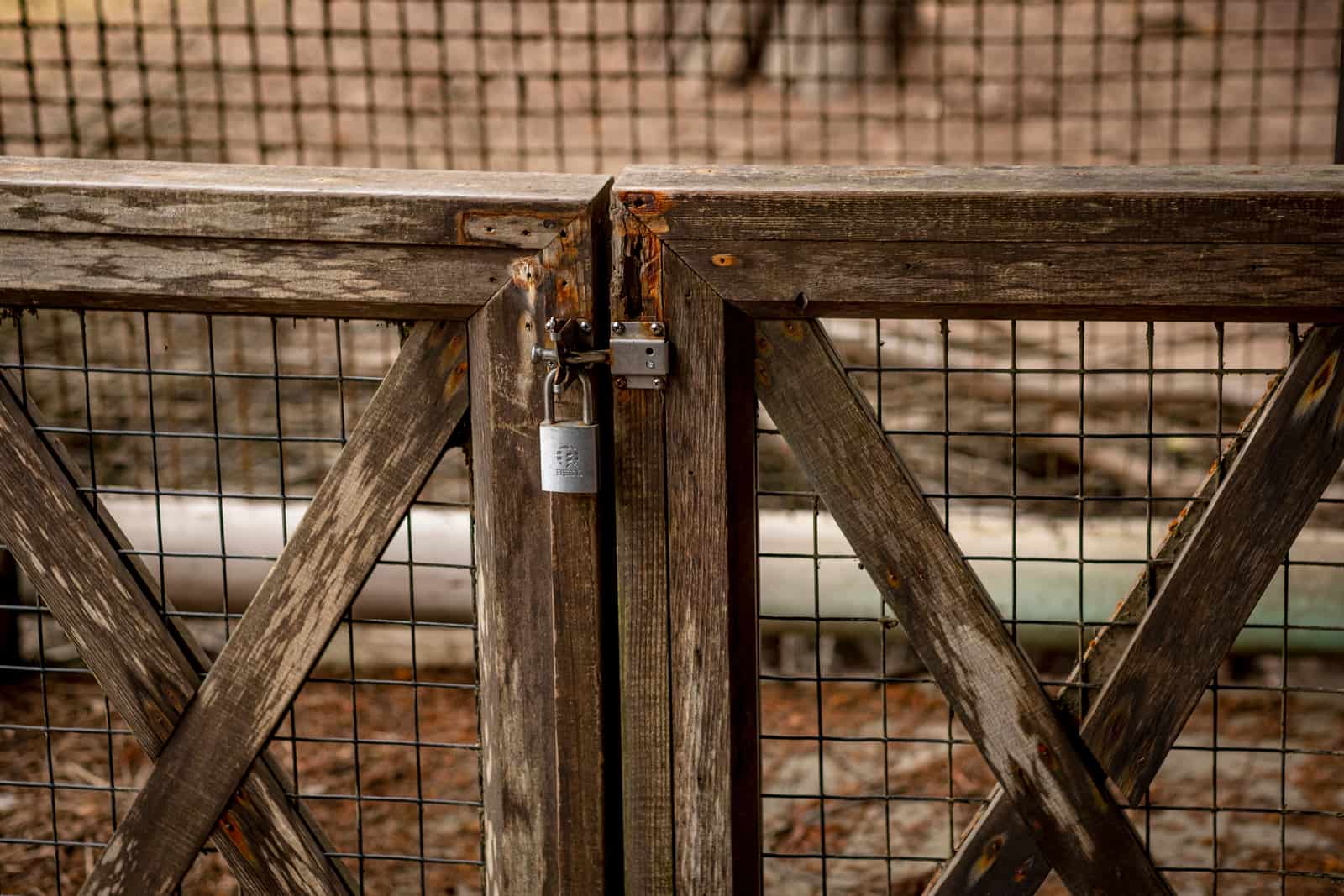
Latches a raccoon cannot open
Why hook-and-eye and spring catches fail, the two-motion principle that works, and where every coop needs a latch it did not ship with.
Hawks, owls and the daylight problem
Why aerial predators need a different answer from every other threat, and the covered-run options that provide it.
Rats in the chicken coop
Why rats colonize a coop, the half-inch figure that excludes them, and the three purchases that close off feed, entry and harborage.
Predator-proofing, as numbers rather than adjectives
The three specifics that decide whether a coop holds - aperture, gauge and latch - with the products that fix what every kit gets wrong.
Stopping predators that dig under the run
Why the apron beats a buried perimeter, how to lay one properly, and how much hardware cloth a typical run needs.