Raccoon-proofing a chicken coop
The most capable predator most backyard flocks will meet, and the one whose defeats are most often self-inflicted.
We have not handled these coops, and we do not pretend to have. Here is what we did instead. Links to Amazon earn us a commission at no extra cost to you - disclosure.
| # | Coop | Best for | Honest count | Price |
|---|---|---|---|---|
| 1 | 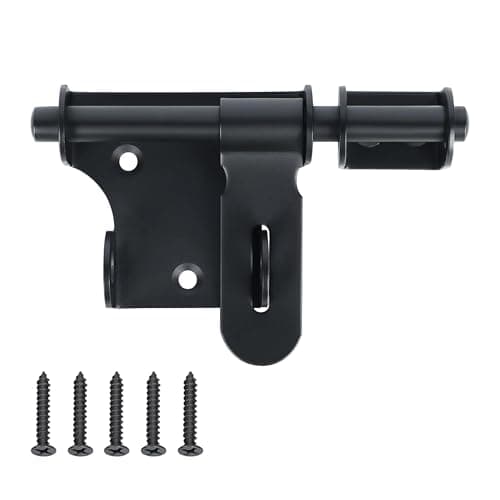 Alise 4in Slide Bolt Latch with Padlock HoleTop pickA slide bolt with a padlock hole. The padlock hole is the whole point - raccoons defeat simple bolts. | A latch a raccoon cannot work | not published | |
| 2 | 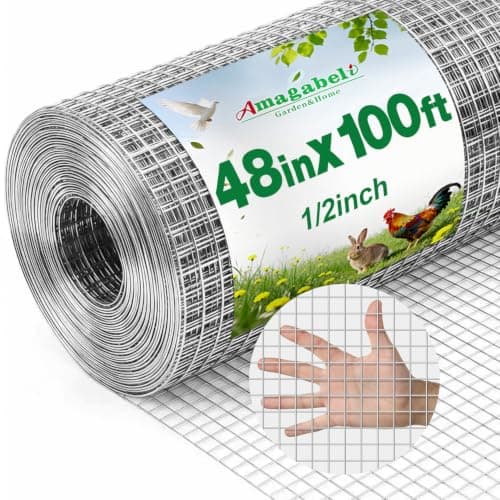 Amagabeli 1/2" Hardware Cloth, 48in x 100ftHalf-inch aperture, 19 gauge, hot-dipped galvanized after welding. This is the specification that actually keeps raccoons out. | The single most important predator purchase | not published |
Of everything likely to visit a backyard coop at night, the raccoon is the most capable. It climbs, it is strong for its size, it works mechanisms with its forepaws, and it returns to a food source repeatedly once it has found one. It is also, encouragingly, the predator most reliably beaten by cheap hardware.
What it actually does
- Reaches through mesh. This is the behavior people do not anticipate. It does not need to get inside; it needs a forepaw through an aperture near a sleeping bird.
- Works latches. Hook-and-eye, turn buttons, spring clips and plain slide bolts are all within reach given a few nights.
- Climbs. A run wall is a ladder. An uncovered run is open from above.
- Tests repeatedly. A raccoon that finds food once will keep coming back, which means a weakness gets found eventually rather than immediately.
- Works panels loose. Where mesh is stapled every foot rather than every few inches, it pulls at the gaps.
Fix one: aperture
Half-inch hardware cloth on every panel a raccoon can reach, including the lower part of any run wall and every vent and window. This single change removes the reach-through attack completely, and it is the reason hardware cloth against chicken wire is the first page of this hub.
Fix it properly while you are there: staples every three to four inches into framing timber, overlapped seams, and washers or a batten on thin cladding. A raccoon works on the gaps between fixings, so the fixing interval is part of the specification.
Fix two: two-motion latches, everywhere
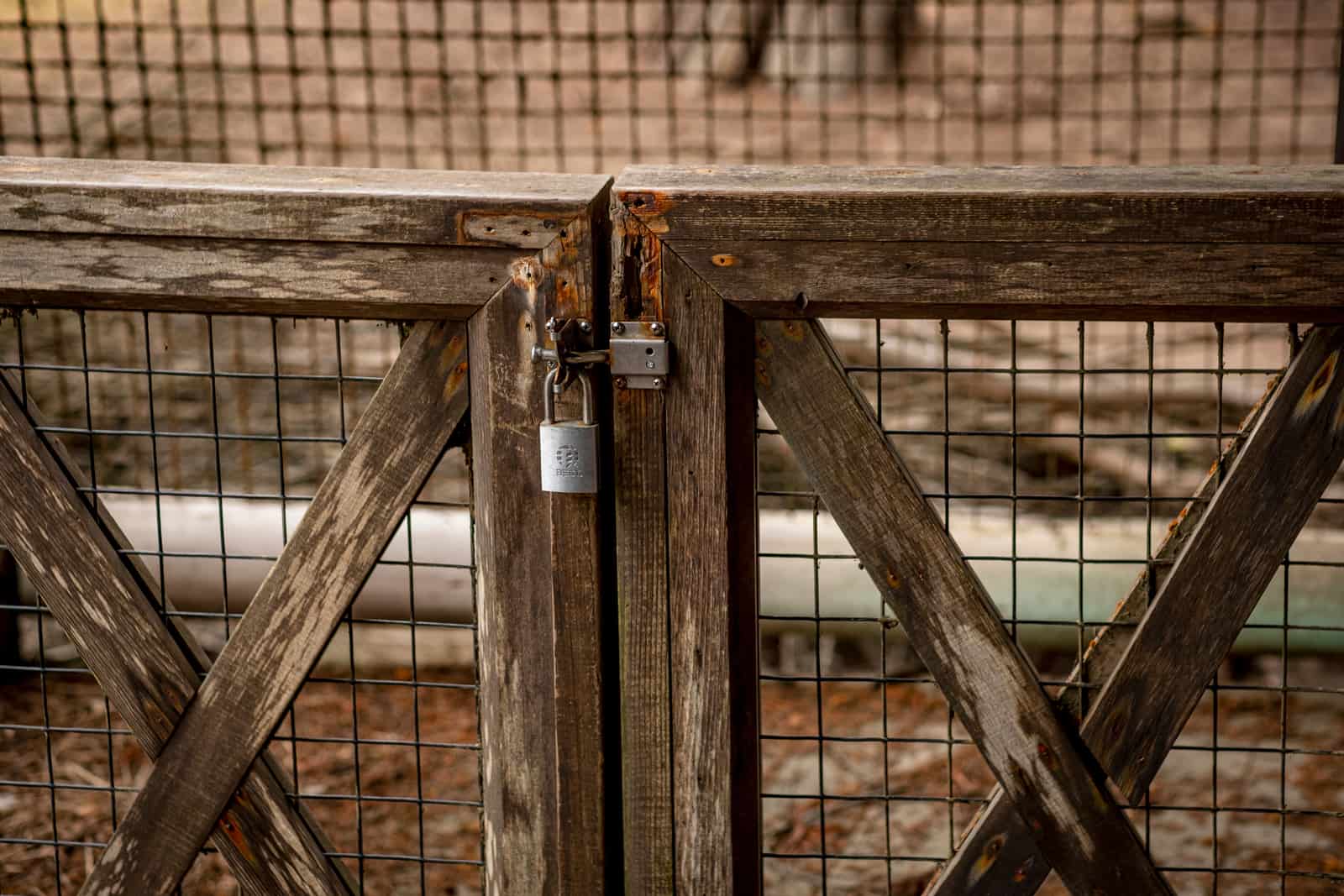
Every opening, not just the door. The nest-box lid is the classic loss: it is built to open one-handed from outside, and it usually keeps the plastic turn button it shipped with. A bolt plus a carabiner costs very little and turns a one-motion opening into a two-motion one. The latch page covers the mechanisms.
Fix three: cover the run
Raccoons climb, so a run open at the top is a run with a doorway. A solid roof also keeps the run drier, which helps with litter and mud, so this is one of the few security upgrades with a second benefit. Aviary netting is the cheap version and stops raccoons as well as hawks.
Do not feed them by accident
Spilled feed under a feeder, an open feed bin, and scraps left in the run all bring raccoons to the coop in the first place. Bring feed in at night, store it in a metal bin with a fastened lid, and clear anything spilled. Removing the attraction is not a substitute for the hardware, but it lowers how often the hardware is tested.
The two things to buy first
Top pick · A latch a raccoon cannot work
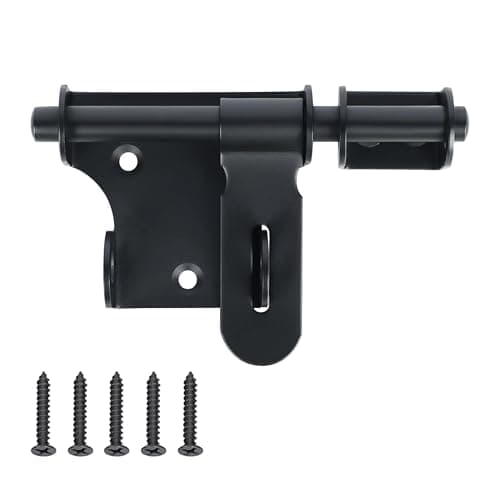
Alise 4in Slide Bolt Latch with Padlock Hole
A slide bolt with a padlock hole. The padlock hole is the whole point - raccoons defeat simple bolts.
What the numbers say
The manufacturer does not publish the dimensions this calculation needs, so we do not print a number.
Figures from Alise published specifications (Amazon listing)
Raccoons have functional thumbs and genuinely do open simple slide bolts, hook-and-eyes and turn buttons. This is the most commonly underestimated failure point on a coop.
The padlock hole is what upgrades this from a catch to a lock. A carabiner through it is enough; it does not need an actual padlock.
Fit two on a large door - top and bottom - so the door cannot be flexed open at a corner.
Good
- Padlock hole defeats the raccoon problem
- Works with a carabiner, no key needed
- Steel construction rather than cast zinc
Not so good
- Needs a second one for a tall door
- Requires accurate fitting to slide freely after weathering
- Black finish will need touching up where it is scratched
Skip this if: your coop door already takes a padlock or a two-step latch. Otherwise this is the cheapest meaningful security upgrade you can make.
#ad · how this is funded · price as of October 17, 2026
Pick 2 · The single most important predator purchase
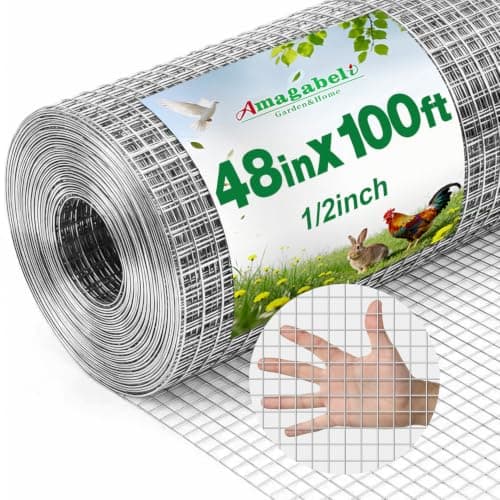
Amagabeli 1/2" Hardware Cloth, 48in x 100ft
Half-inch aperture, 19 gauge, hot-dipped galvanized after welding. This is the specification that actually keeps raccoons out.
What the numbers say
The manufacturer does not publish the dimensions this calculation needs, so we do not print a number.
Figures from Amagabeli published specifications (Amazon listing)
Half-inch aperture is the number that matters. A raccoon can reach through 1in mesh and a weasel walks through 1in chicken wire; half-inch stops both.
Galvanized AFTER welding, not before, is the second specification to check. Welding burns the coating off, so mesh galvanized beforehand rusts at every joint - which is exactly where it needs to hold.
19 gauge is the practical minimum for a coop perimeter. Thinner mesh sold as hardware cloth exists and bends open by hand.
Good
- Half-inch aperture excludes raccoons and weasels
- Hot-dipped galvanized after welding, so joints do not rust first
- 48in width covers most run walls in a single run
Not so good
- Cutting it is hard on the hands and on your snips
- 100ft is more than a small coop needs
- Edges are sharp and need capping or folding
Skip this if: only if you already have half-inch hardware cloth. Do not substitute chicken wire - it is a containment material, not a security one.
#ad · how this is funded · price as of October 17, 2026
Questions people actually ask
+Can a raccoon get through chicken wire?
+Will a raccoon come back after a failed attempt?
+Does a light or a radio keep raccoons away?
+What time of night do raccoons attack coops?
Sources
Read next
Predator-proofing, as numbers rather than adjectives
The three specifics that decide whether a coop holds - aperture, gauge and latch - with the products that fix what every kit gets wrong.
Latches a raccoon cannot open
Why hook-and-eye and spring catches fail, the two-motion principle that works, and where every coop needs a latch it did not ship with.
Hardware cloth against chicken wire
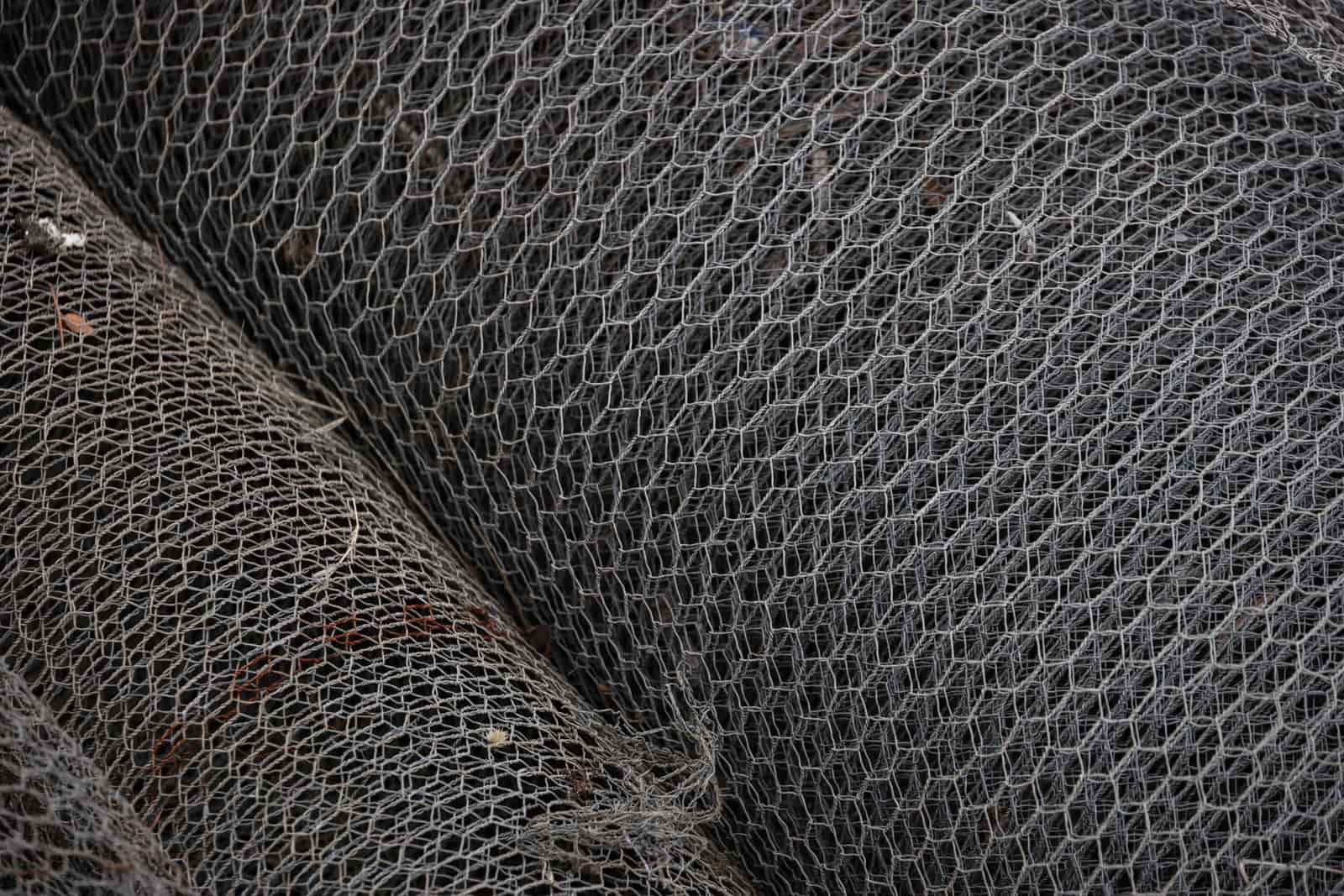
Why hexagonal chicken wire fails, what gauge and aperture to buy instead, and how many feet a typical coop actually needs.
Automatic chicken coop doors
Automatic pop doors compared on trigger, power source, opening size and what happens when it is 10 degrees out.
Predator-proofing a coop, step by step
The full walkthrough: mesh, latches and apron, with a materials list and the openings that get missed.
Stopping predators that dig under the run
Why the apron beats a buried perimeter, how to lay one properly, and how much hardware cloth a typical run needs.