Run extensions for a coop you already own
This site spends most of its time telling people their coop is smaller than the label claimed. If you have already bought one, this is the page about what to do next.
We have not handled these coops, and we do not pretend to have. Here is what we did instead. Links to Amazon earn us a commission at no extra cost to you - disclosure.
| # | Coop | Best for | Honest count | Price |
|---|---|---|---|---|
| 1 | 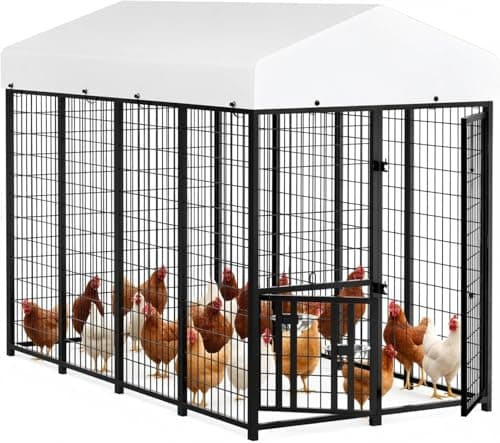 LUXEYARD Advanced Series Metal RunTop pick31.3 sq ft with hardware cloth on the sides - a sensible extension for a coop that came with a flimsy run. | Bolting a secure run onto an existing coop | 7no claim made | |
| 2 | 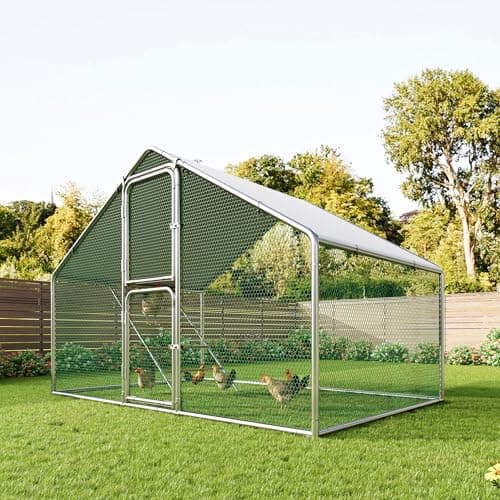 Amopatio Metal Walk-In Run with Perch65.3 sq ft with a roosting perch fitted and a security lock. No bird count claimed, correctly. | A walk-in run with roosting already solved | 16no claim made | |
| 3 | 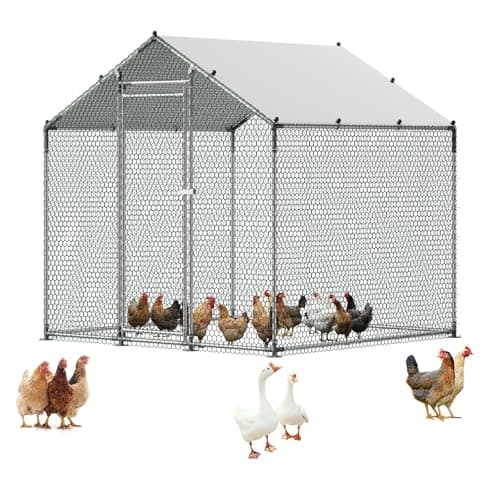 VEVOR Metal Walk-In Run, Spire Roof43 sq ft under a spire roof - the pitched cover is the reason to pick it over a flat-topped run. | Shedding snow and rain off a run | 10no claim made | |
| 4 | 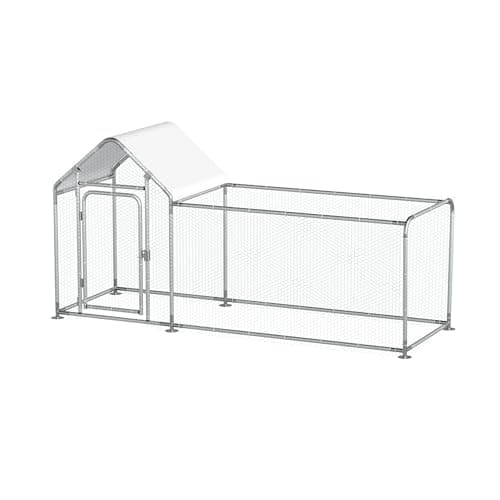 GOJOOASIS Outdoor Large Metal Chicken Coop Run, 118in32.4 sq ft of galvanized steel run, and a maker that publishes no bird count at all - which counts in its favor here. | A metal run that will not rot | 8no claim made | |
| 5 | 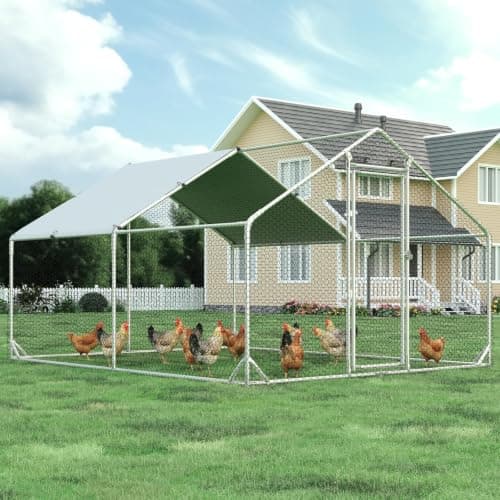 4ever2buy Metal Chicken Coop, 10x13 FT Walk-In Run128.4 sq ft of walk-in enclosure wrapped in galvanized hardware cloth - the largest ground area on this site, and a cover included. | A genuine walk-in enclosure | 32box says 15 | |
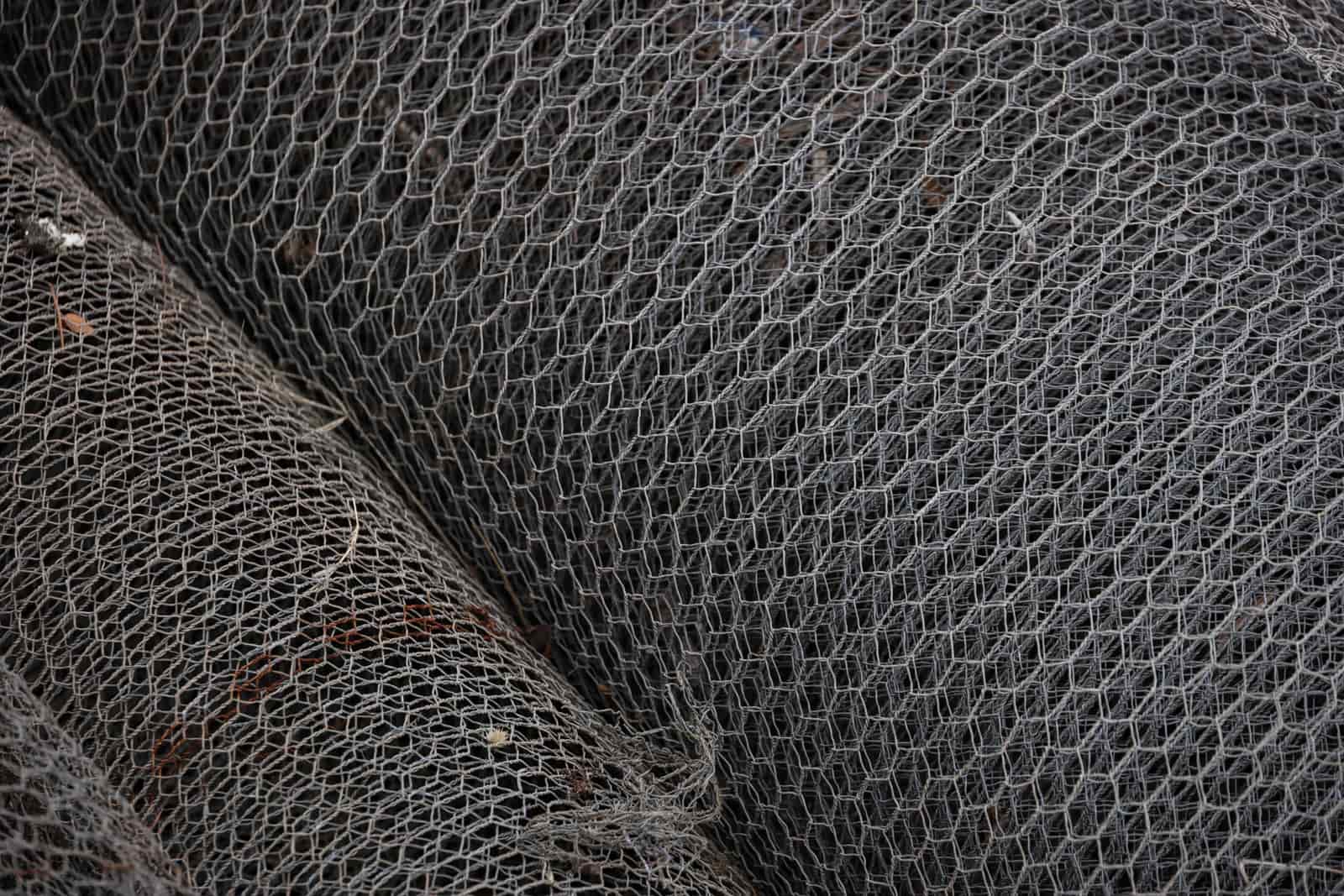
| 6 | 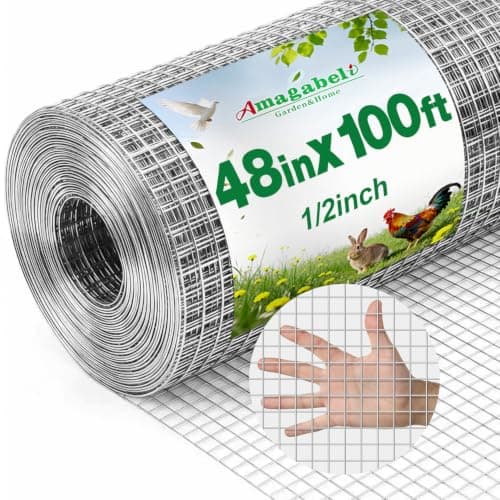 Amagabeli 1/2" Hardware Cloth, 48in x 100ftHalf-inch aperture, 19 gauge, hot-dipped galvanized after welding. This is the specification that actually keeps raccoons out. | The single most important predator purchase | not published |
Almost every page on this site ends up at the same finding: the coop holds fewer birds than the listing said. That is useful before you buy and considerably less useful the week after, when the thing is already assembled in the yard.
So this is the remedy page. It is also the one recommendation this site has made repeatedly without ever explaining properly - a modular run panel bolted onto an existing coop is the most economical upgrade in the category, and almost nobody writes about it.
First: what an extension fixes, and what it does not
This is the whole decision and getting it wrong wastes money, so it goes above everything else.
| Symptom | What is actually short | Does an extension fix it? |
|---|---|---|
| Birds crowd and squabble during the day | Run area | Yes - this is exactly the fix |
| Run is bare mud, grass long gone | Run area | Yes, and it lets the ground recover |
| Boredom pecking, feather damage in daylight | Run area | Yes, usually the cheapest fix available |
| Birds cannot all fit on the roost | Roost bar | No - add bar instead |
| Damp, capped litter and ammonia at bird height | Coop floor and ventilation | No |
| Feather-pecking that continues overnight | Coop floor | No - the henhouse is too small |
| Hens sleeping in the nest boxes | Roost height or length | No |
If the henhouse is the problem, the honest answers are a bigger coop or a second one - and past about a dozen birds, building rather than buying is usually the route, because the kits run out.
How much run you actually need
Penn State Extension publishes 8 square feet of outdoor space per laying hen, 10 for large chickens and 4 for bantams. This site uses 8 for standard birds and 5 for bantams - above the published bantam minimum, consistent with how it treats every other figure.
Work out the gap before shopping. It is the difference between buying one panel section and buying a walk-in enclosure, and the two are not close in price.
What each option here adds
| Extension | Published area | Birds' worth of run at 8 sq ft | Walk-in? |
|---|---|---|---|
| LUXEYARD panel run | 31.3 sq ft | 3 | No - 67in tall |
| GOJOOASIS covered run | 32.4 sq ft | 3 | No - 59in tall |
| VEVOR spire-roof run | 43.0 sq ft | 5 | Yes |
| Amopatio walk-in run | 65.3 sq ft | 8 | Yes |
| 4ever2buy 10x13 walk-in | 128.4 sq ft | 16 | Yes |
Note that four of the five publish no bird count at all. For an enclosure that is the correct thing to do, and this site treats it as a point in a maker's favor - there is no claim to correct because the product is honestly sold as what it is.
What to look for
- Area against your measured gap. Buying one panel short is the common mistake, and adding a second section later rarely matches the first.
- Height you can work in. A 39-inch run is cleaned on your knees; a walk-in is cleaned standing up. Over years that difference is larger than the price difference.
- A roof, or the ability to add one. A covered run stops hawks, keeps the ground drier and stops the run becoming the mud problem. See hawks, owls and the daylight problem.
- Roof geometry if it snows. A flat or fabric span collects snow and can fail under load; a peaked or spire roof sheds it.
- Mesh aperture, not just material. Galvanized is not the same as secure, and steel frames routinely ship with a welded mesh wide enough for a raccoon to reach through.
- How it fastens to your coop. Brackets, cable ties or a timber batten all work; what matters is that the junction leaves no gap.
- Whether it comes apart. A run you can dismantle moves house with you, which a built one does not.
The junction is the weak point
An extension creates a new seam between two structures that were never designed to meet, and that seam is where things go wrong. It is worth more attention than the panels themselves.
- Close the gap completely where the run meets the coop. A two-inch gap at a corner is a door for anything small enough to use it - and most things are.
- Overlap mesh across the junction rather than butting two edges together, and fasten through both layers.
- Fix into framing timber, not cladding. A bracket screwed into thin fir pulls out when a panel is leaned on.
- Check the pop door still opens fully into the new space and that an automatic door has not been blocked by a panel.
- Make sure you can still reach the nest boxes and the clean-out tray from outside. It is easy to enclose the access you use daily.
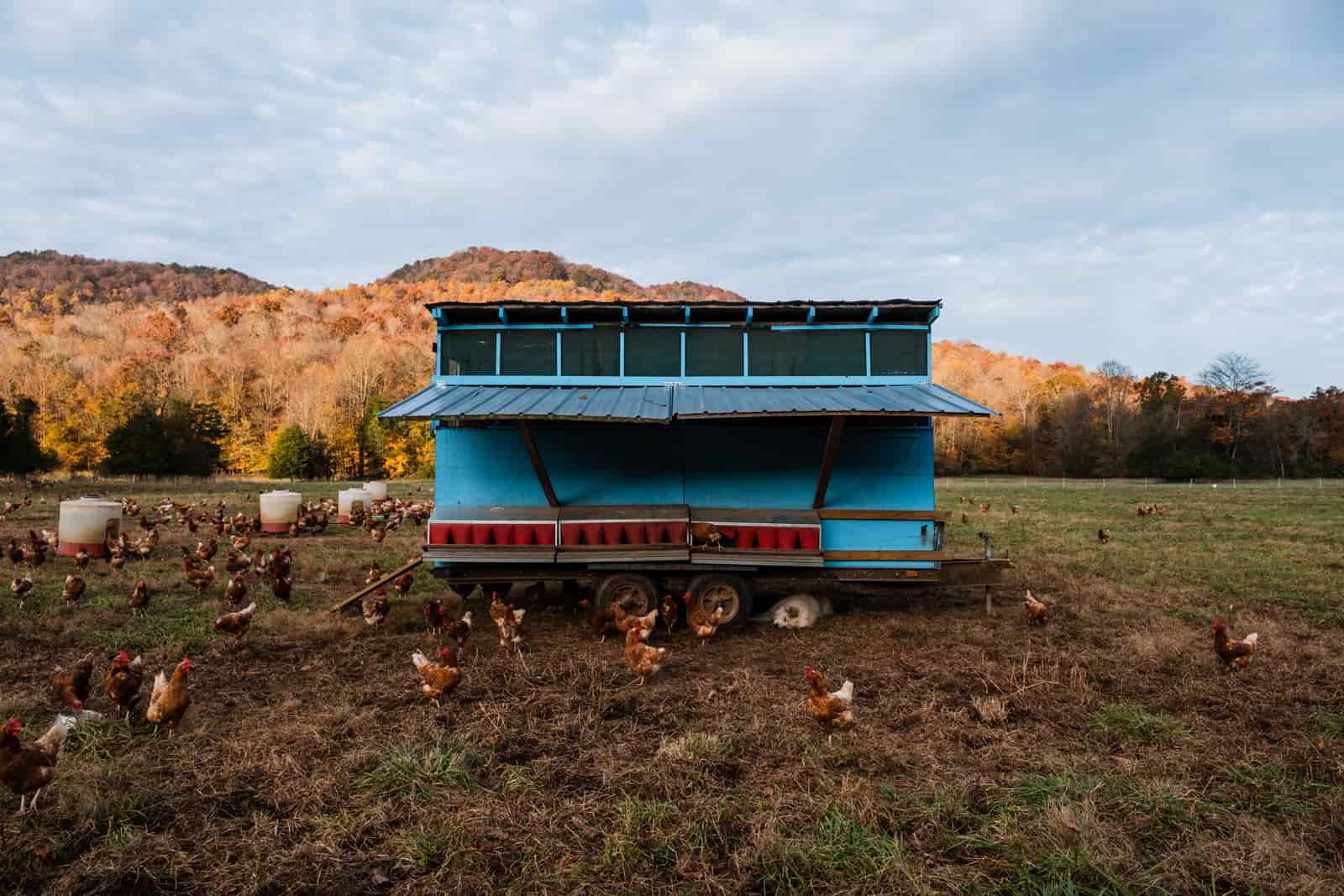
- Think about the ground before you enclose it. A bigger run is more area to turn to mud in the first wet month - run flooring covers what actually helps.
More perimeter means more to secure
A bigger run is a longer ground line, and the ground line is where every metal run is weakest. The perimeter meets the soil and nothing stops a digger going under it.
The fix is the same as everywhere else on this site: half-inch hardware cloth laid flat, extending about 12 inches outward from the base, pinned with landscape staples and eventually grown into the turf. Budget the apron into the extension rather than treating it as optional - stopping predators that dig has the method, and hardware cloth against chicken wire covers the aperture question.
What it saves against a new coop
We do not print prices anywhere on this site, so take this as shape rather than arithmetic: a panel run adding three or four birds' worth of outdoor space costs a fraction of replacing a coop, and it keeps the henhouse you already assembled, treated and got the flock used to.
The comparison changes at the top end. A large walk-in enclosure approaches the price of a new coop-and-run kit - but it also outlasts one several times over, because galvanized steel has no base rail sitting in wet ground waiting to rot. What a coop really costs works through the ten-year version of that trade. There is a cheaper route to area still, if you are willing to do the mesh work yourself: a dog kennel as a chicken run gives you a hundred square feet, and nothing that excludes a raccoon.
The ranked picks
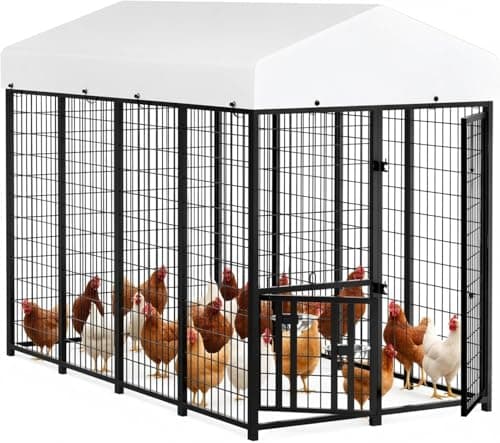
Top pick · Bolting a secure run onto an existing coop
LUXEYARD Advanced Series Metal Run
31.3 sq ft with hardware cloth on the sides - a sensible extension for a coop that came with a flimsy run.
What the numbers say
47in x 96in = 31.3 sq ft of whole-unit footprint, which includes the attached run and is therefore generous. At 4 sq ft per standard hen that is 7 birds. The maker publishes no bird count of its own to compare against.
Figures from LUXEYARD published specifications (Amazon listing) · 47"L x 96"W x 67"H · Galvanized steel
31.3 sq ft of ground at 67 inches tall - not quite walk-in for most adults, but close enough to work in.
Side hardware cloth is the specification that matters. Most bundled runs use chicken wire, which a raccoon opens without much trouble.
No bird count is claimed. Correct for a run.
Good
- Hardware cloth sides rather than chicken wire
- Right size to extend a small coop's run
- Galvanized steel frame
Not so good
- 67in is just short of true walk-in height
- A run only - no house
- Needs anchoring or skirting to stop digging predators
Skip this if: you have not solved the floor. A run with no buried apron or skirt is a dig-under waiting to happen, whatever the sides are made of.
#ad · how this is funded · price as of October 24, 2026
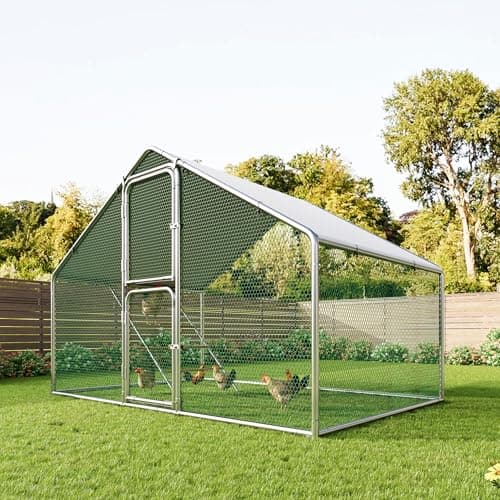
Pick 2 · A walk-in run with roosting already solved
Amopatio Metal Walk-In Run with Perch
65.3 sq ft with a roosting perch fitted and a security lock. No bird count claimed, correctly.
What the numbers say
79in x 119in = 65.3 sq ft of whole-unit footprint, which includes the attached run and is therefore generous. At 4 sq ft per standard hen that is 16 birds. The maker publishes no bird count of its own to compare against.
Figures from Amopatio published specifications (Amazon listing) · 79"L x 119"W x 79"H · Alloy steel
65.3 sq ft of ground with 79 inches of headroom - comfortably walk-in for most people.
Amopatio claims no bird count. That is the right call for an enclosure - capacity depends on the henhouse you put inside it - and it means there is nothing here to correct.
The split door is more useful than it sounds: it lets you get in with both hands full without a bird getting past your ankles.
Good
- Roosting perch included
- Split door genuinely helps daily access
- Security lock fitted as standard
Not so good
- A run, not a coop
- Alloy steel needs the coating kept intact to resist rust
- Large footprint for a suburban yard
Skip this if: you need overnight predator security on its own. A run is a daytime enclosure; birds still need a lockable house inside it after dark.
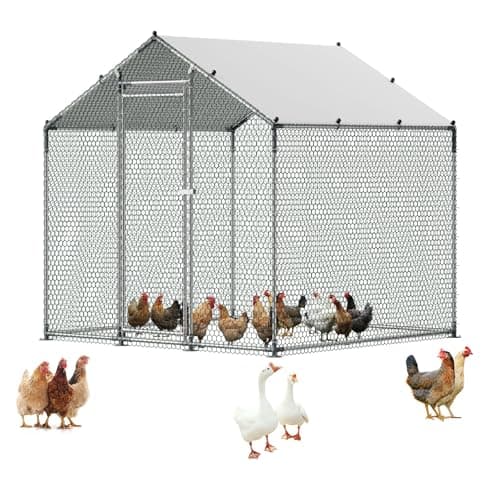
Pick 3 · Shedding snow and rain off a run
VEVOR Metal Walk-In Run, Spire Roof
43 sq ft under a spire roof - the pitched cover is the reason to pick it over a flat-topped run.
What the numbers say
78.72in x 78.72in = 43 sq ft of whole-unit footprint, which includes the attached run and is therefore generous. At 4 sq ft per standard hen that is 10 birds. The maker publishes no bird count of its own to compare against.
Figures from VEVOR published specifications (Amazon listing) · 78.72"L x 78.72"W x 78.72"H · High-carbon steel
43 sq ft in a perfect square, which is the most efficient shape for a given perimeter of frame.
The spire roof is the differentiator. Flat-covered runs pool water and collapse under wet snow; a pitched cover sheds both.
No bird count is claimed, which is correct for an enclosure.
Good
- Pitched roof sheds snow and standing water
- Square footprint is frame-efficient
- Security lock included
Not so good
- A run, not a coop
- Cover material will degrade before the frame does
- 6.5ft square is smaller than it sounds once a henhouse is inside
Skip this if: you get heavy snow loads. A spire helps, but no fabric-covered run is a substitute for a rigid roof where snow sits.
#ad · how this is funded · price as of October 24, 2026
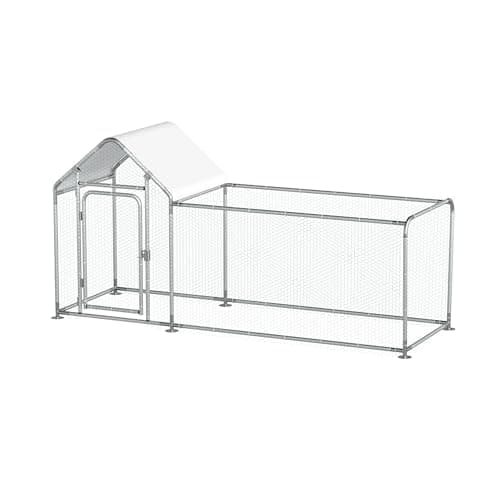
Pick 4 · A metal run that will not rot
GOJOOASIS Outdoor Large Metal Chicken Coop Run, 118in
32.4 sq ft of galvanized steel run, and a maker that publishes no bird count at all - which counts in its favor here.
What the numbers say
118in x 39.5in = 32.4 sq ft of whole-unit footprint, which includes the attached run and is therefore generous. At 4 sq ft per standard hen that is 8 birds. The maker publishes no bird count of its own to compare against.
Figures from GOJOOASIS published specifications (Amazon listing) · 118"L x 39.5"W x 59"H · Galvanized steel frame with a UV and water-resistant cover
118 by 39.5 inches is 32.4 square feet, which is eight standard hens on the published 4 square feet a bird. The listing states no bird count of its own, so there is no claim here to fail - and on this site that is a point in a maker's favor rather than an omission.
Read the shape rather than the headline area. Thirty-nine inches of width is narrow, so the usable space is a long corridor rather than a yard, and birds use length less efficiently than they use breadth.
At 59 inches high it is a stoop rather than the crawl the older 39-inch version demanded, but it is still under five feet. Call it head-down access rather than walk-in, whatever the category name suggests.
What you are buying is the frame. Galvanized steel does not rot, hosts no mites in its end grain and needs no re-treating, which is the right material for a structure that lives outdoors permanently.
Good
- Publishes no bird count, so there is no inflated claim to correct
- Galvanized steel frame will outlast any fir coop here
- 59in height is a genuine improvement on the older 39in version
- Long enough to give birds real running distance
Not so good
- A run, not a coop - there is no henhouse and roosting is still unsolved
- 39.5in width makes it a corridor rather than a yard
- Still under five feet, so not walk-in in the sense the name implies
- The cover is the weak point and will need replacing before the frame does
Skip this if: you need somewhere for the birds to sleep. This is outdoor space and predator exclusion only - there is no insulated house in it, and the per-bird floor guidance applies to enclosed roosting space you still have to provide.
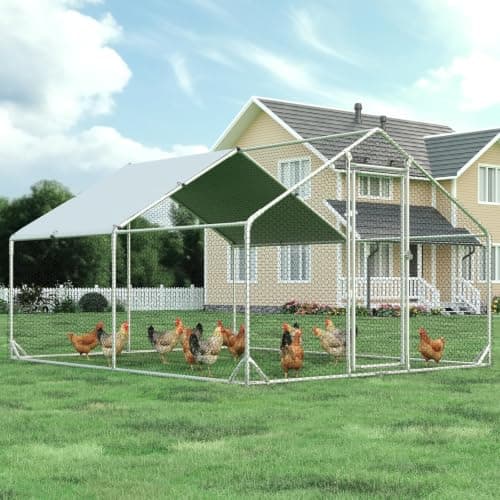
Pick 5 · A genuine walk-in enclosure
4ever2buy Metal Chicken Coop, 10x13 FT Walk-In Run
128.4 sq ft of walk-in enclosure wrapped in galvanized hardware cloth - the largest ground area on this site, and a cover included.
What the numbers say
157.2in x 117.6in = 128.4 sq ft of whole-unit footprint, which includes the attached run and is therefore generous. At 4 sq ft per standard hen that is 32 birds, against a claim of 15.
Figures from 4ever2buy published specifications (Amazon listing) · 157.2"L x 117.6"W x 76.8"H (10 x 13 ft) · Rust-resistant steel frame with galvanized hardware cloth
128.4 sq ft is the largest ground area on this site by a wide margin - more than twice the next biggest.
The listing claims room for 12 to 15 chickens. Read as run space at the published 8 sq ft a bird that is about 16, so the claim is reasonable - which is unusual enough here to say out loud. The bird column in our table divides by the 4 sq ft indoor figure, and that is the wrong measure for an enclosure with no henhouse in it.
Fully wrapped in galvanized hardware cloth rather than chicken wire is the specification that matters. Chicken wire keeps chickens in; hardware cloth keeps raccoons out, and they are not the same job.
A waterproof anti-UV cover is included, which is the detail that keeps the ground under it usable through a wet season.
Good
- Galvanized hardware cloth all round, not chicken wire
- 76.8in height is a true walk-in at 6.4 ft
- Waterproof cover included rather than sold separately
Not so good
- It is a run, not a coop - you still need a henhouse
- 13ft x 10ft needs serious yard space
- The 12-15 bird claim only holds as run space, never as roosting room
Skip this if: you expected a coop. There is no insulated, enclosed house in it, and birds cannot roost in a run overnight safely in most climates.
#ad · how this is funded · price as of October 24, 2026
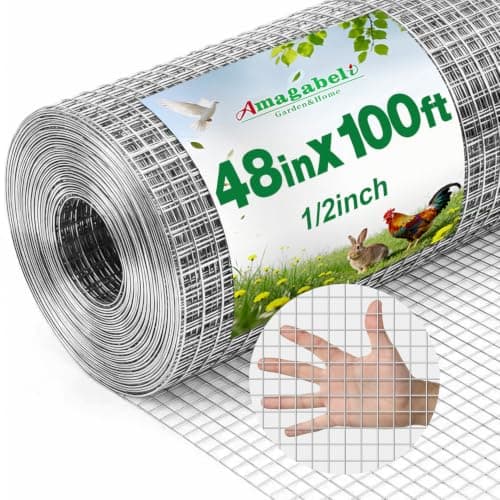
Pick 6 · The single most important predator purchase
Amagabeli 1/2" Hardware Cloth, 48in x 100ft
Half-inch aperture, 19 gauge, hot-dipped galvanized after welding. This is the specification that actually keeps raccoons out.
What the numbers say
The manufacturer does not publish the dimensions this calculation needs, so we do not print a number.
Figures from Amagabeli published specifications (Amazon listing)
Half-inch aperture is the number that matters. A raccoon can reach through 1in mesh and a weasel walks through 1in chicken wire; half-inch stops both.
Galvanized AFTER welding, not before, is the second specification to check. Welding burns the coating off, so mesh galvanized beforehand rusts at every joint - which is exactly where it needs to hold.
19 gauge is the practical minimum for a coop perimeter. Thinner mesh sold as hardware cloth exists and bends open by hand.
Good
- Half-inch aperture excludes raccoons and weasels
- Hot-dipped galvanized after welding, so joints do not rust first
- 48in width covers most run walls in a single run
Not so good
- Cutting it is hard on the hands and on your snips
- 100ft is more than a small coop needs
- Edges are sharp and need capping or folding
Skip this if: only if you already have half-inch hardware cloth. Do not substitute chicken wire - it is a containment material, not a security one.
#ad · how this is funded · price as of October 24, 2026
The measured figures
The table below is the site-wide capacity table, printed unchanged. Read the bird column carefully here: it applies the indoor floor figure, which is the right measure for a coop and the wrong one for a run. For these products, use the run column further up this page instead - an enclosure holds no birds overnight until there is a henhouse inside it.
| Coop | Published size | Floor area | Maker says | Arithmetic says |
|---|---|---|---|---|
| LUXEYARD Advanced Series Metal Run | 47"L x 96"W x 67"H | 31.3 sq ft | no claim | 7 hens |
| Amopatio Metal Walk-In Run with Perch | 79"L x 119"W x 79"H | 65.3 sq ft | no claim | 16 hens |
| VEVOR Metal Walk-In Run, Spire Roof | 78.72"L x 78.72"W x 78.72"H | 43 sq ft | no claim | 10 hens |
| GOJOOASIS Outdoor Large Metal Chicken Coop Run, 118in | 118"L x 39.5"W x 59"H | 32.4 sq ft | no claim | 8 hens |
| 4ever2buy Metal Chicken Coop, 10x13 FT Walk-In Run | 157.2"L x 117.6"W x 76.8"H (10 x 13 ft) | 128.4 sq ft | 15 hens | 32 hens |
Floor area is the maker’s published footprint. Where a unit includes an attached run that figure spans the run too, which makes it a generous reading - the enclosed roosting floor is smaller still. How we work these out.
Questions people actually ask
+Can I add a run to an existing chicken coop?
+Will a bigger run fix an overcrowded coop?
+How much run space do chickens need?
+Do I need to cover a chicken run extension?
+How do I stop predators getting in where the run meets the coop?
+Is a run extension better than buying a new coop?
Sources
Read next
Metal chicken coops and runs
Steel runs and enclosures ranked on measured area, with the henhouse gap and the base-security fix stated up front.
How much space one chicken needs
The per-bird floor figure by breed class and run access, with worked examples and the coops that actually meet it.
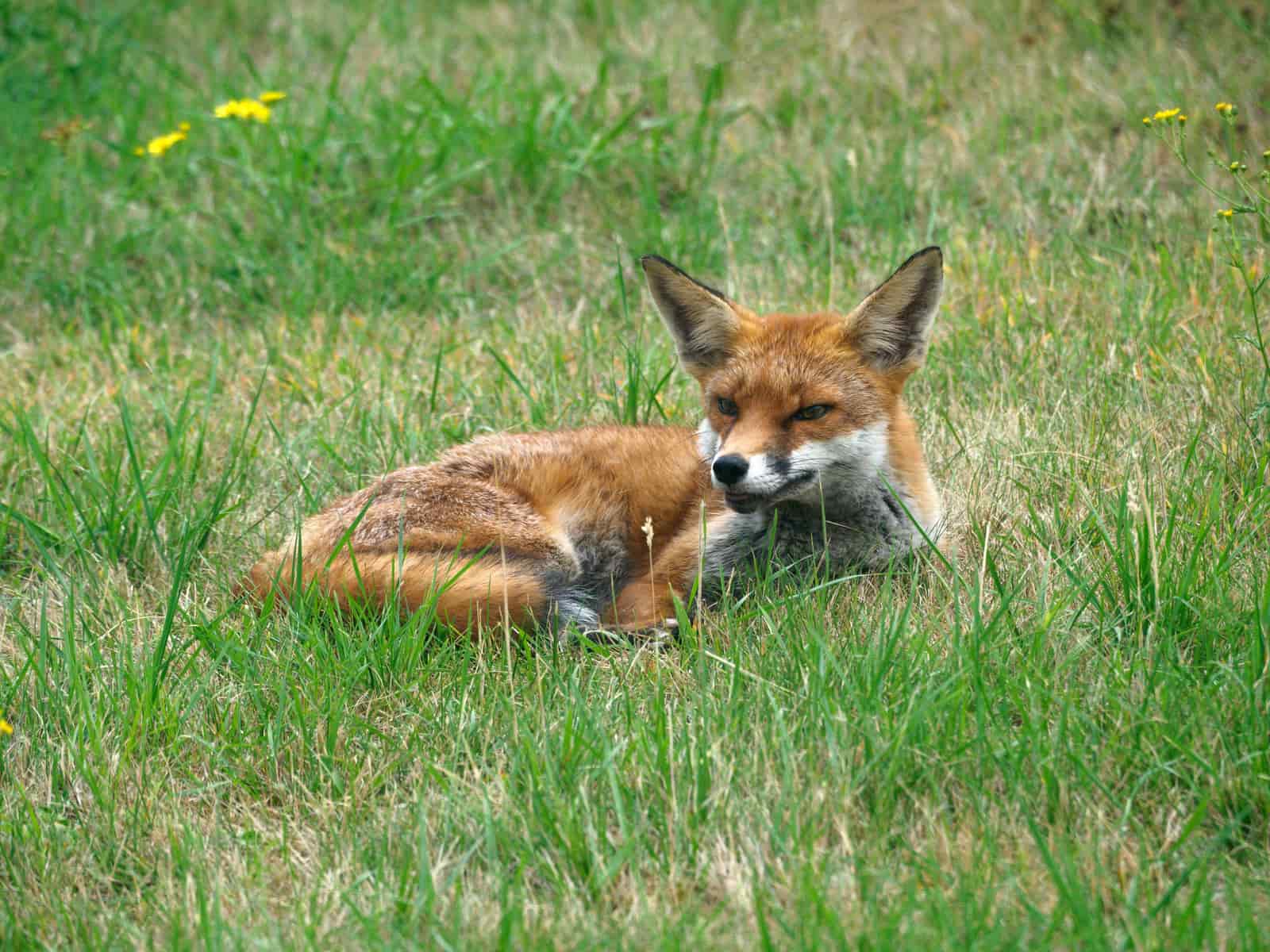
Stopping predators that dig under the run
Why the apron beats a buried perimeter, how to lay one properly, and how much hardware cloth a typical run needs.
Build or buy a chicken coop
The build-versus-buy decision judged on floor area, time and skill rather than sticker price - with the free published plans nobody mentions.
Coop gear, ranked by the problem it solves
The gear that fixes what coops arrive without - doors, mesh, roosts, boxes, heat and airflow - in buying order.
Chicken run flooring, and what actually fixes mud
Run flooring judged on drainage and cost per square foot - including why the cheapest answer is not a shipped product.