Coop heaters, and whether you need one
Most flocks in most of the country do not need supplemental heat. Where one is justified, the choice of heater matters more than the wattage.
We have not handled these coops, and we do not pretend to have. Here is what we did instead. Links to Amazon earn us a commission at no extra cost to you - disclosure.
| # | Coop | Best for | Honest count | Price |
|---|---|---|---|---|
| 1 | 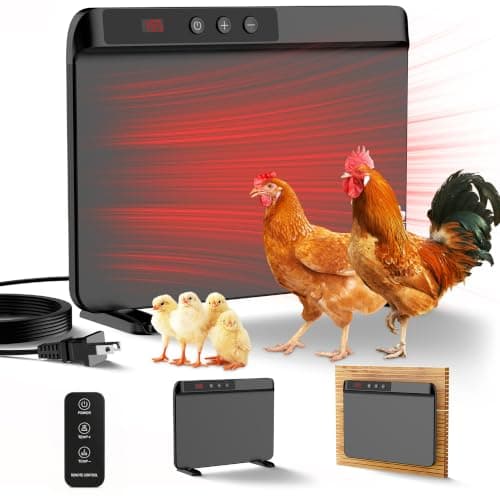 TIMEBAL 200W Radiant Coop PanelTop pickA UL-certified flat radiant panel. The right category of coop heater, if you have genuinely established that you need one. | Radiant warmth without a fire risk | not published | |
| 2 | 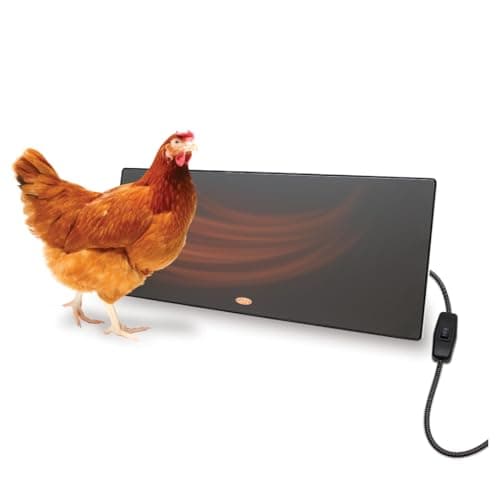 Cozy Products Cozy Coop Flat-Panel Heater, 150W150W, wall-mounted or free-standing. Lower draw than the 200W panels and long-standing in this category. | A long-established low-wattage panel | not published |
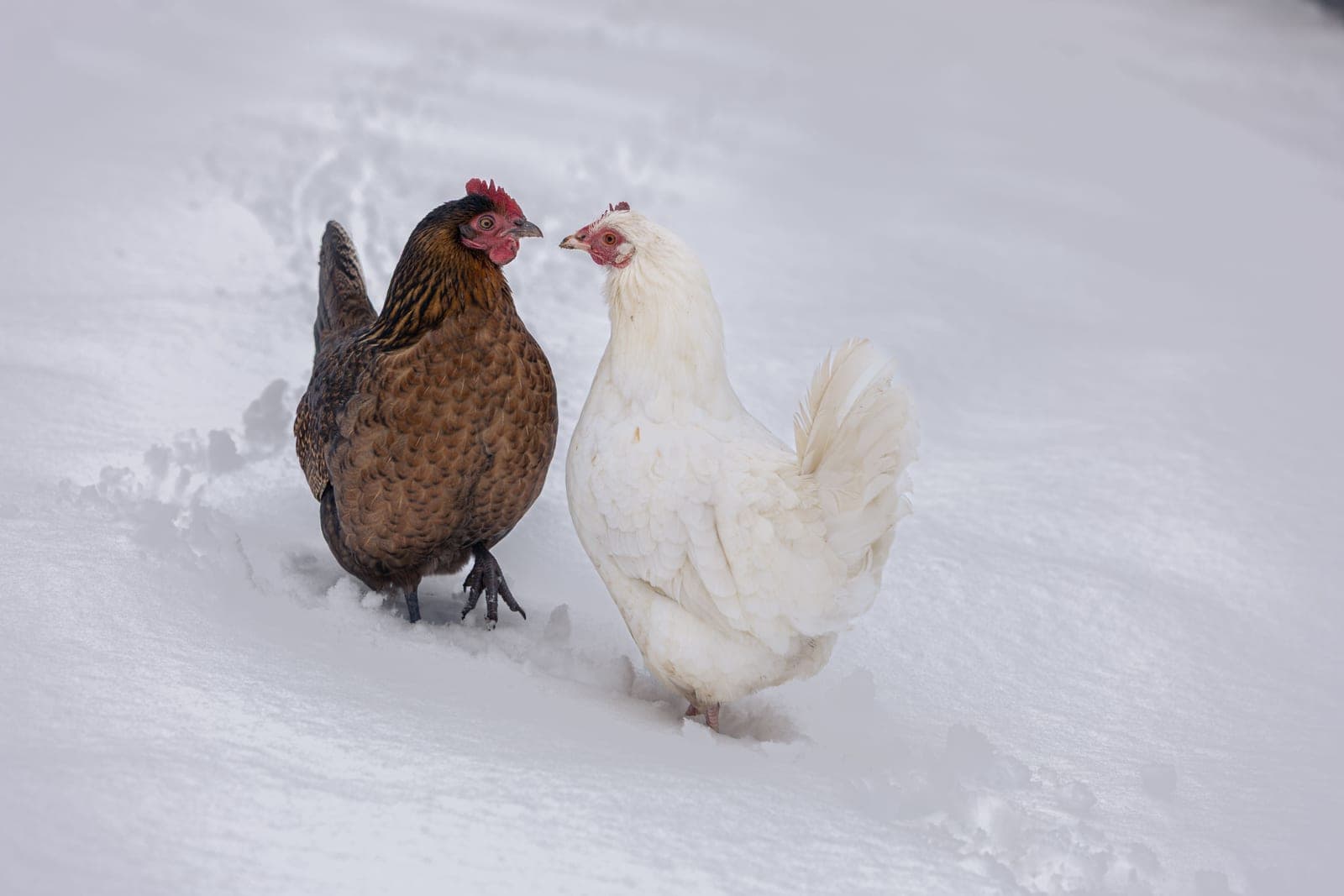
This page starts by trying to talk you out of the purchase, because for most readers that is the honest advice. A dry, well-ventilated, draft-free coop with a flock roosting together handles temperatures well below freezing, and the problems people attribute to cold are usually caused by moisture.
The case against heat
- Fire. A coop is a dusty, feathered, largely wooden box. Heat lamps in that environment are a well-documented cause of barn and coop fires, and a lamp that falls onto bedding is the classic sequence.
- Acclimation. Birds kept in an artificially warm coop do not develop the same winter condition, and a power cut then exposes them to cold they are no longer ready for.
- It treats the wrong variable. Frostbite comes from moisture on combs and wattles, not from air temperature alone. A heater in a sealed coop can make humidity worse.
- Cost, mildly. Running a lamp all winter is not free, and the alternative fixes - ventilation, dry deep litter, draft blocking at roost level - cost almost nothing.
When heat is genuinely justified
There are real cases. Chicks off heat too early. Recovering or sick birds. Breeds with very large single combs in a climate that stays well below freezing for weeks. A coop that is simply too large for the number of birds in it to warm at all. In those situations a small amount of radiant heat, placed so birds can move toward or away from it, is a reasonable intervention.
Panels rather than lamps
A flat radiant panel runs at a fraction of a heat lamp's wattage, has no bulb to break, no exposed element and a much lower surface temperature. It warms what is in front of it rather than trying to heat the air of a ventilated box. Mount it on a wall near - not directly over - the roost, so birds choose their distance from it.
What actually helps in winter, for free
- Keep the high vents open. Moisture has to leave. See ventilation, not insulation.
- Deep, dry, regularly turned litter. It absorbs moisture and generates a little warmth as it composts.
- Block drafts at roost level only, not at the roof.
- Give the flock enough roost bar to sit shoulder to shoulder - that is how they share warmth. See roosting bars.
- Keep water unfrozen. Reduced drinking shows up in laying within days, and Penn State Extension puts the hard limit at 12 hours - see waterers.
If you are buying one
Top pick · Radiant warmth without a fire risk
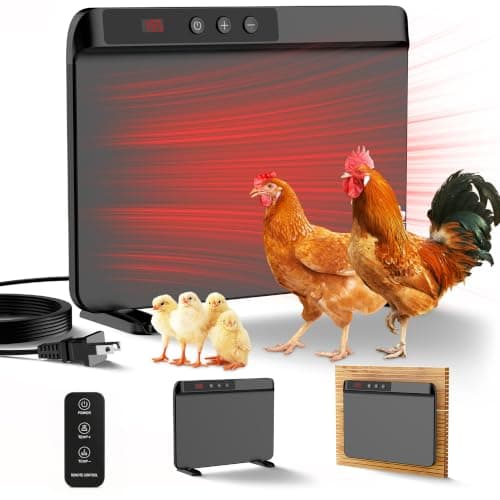
TIMEBAL 200W Radiant Coop Panel
A UL-certified flat radiant panel. The right category of coop heater, if you have genuinely established that you need one.
What the numbers say
The manufacturer does not publish the dimensions this calculation needs, so we do not print a number.
Figures from TIMEBAL published specifications (Amazon listing) · 15.9"L x 5.5"W x 12.4"H · ABS
Flat radiant panels warm the birds near them rather than heating the air, which is the correct approach in a coop that must stay ventilated.
UL certification is the specification to insist on. Coop fires are overwhelmingly caused by heat lamps and uncertified units, and a coop is full of dust and dry bedding.
Most flocks in most US climates do not need supplemental heat at all. Cold-hardy breeds handle hard frost; what kills them is damp and draft, not temperature.
Good
- UL certified, which heat lamps typically are not
- Radiant rather than convective, so ventilation is not fighting it
- Adjustable mounting
Not so good
- Needs mains power run to the coop safely
- Most flocks do not need it
- ABS housing collects dust and needs periodic cleaning
Skip this if: you have not first fixed ventilation. Adding heat to a damp, poorly ventilated coop makes frostbite more likely, not less - read our ventilation guide before buying any heater.
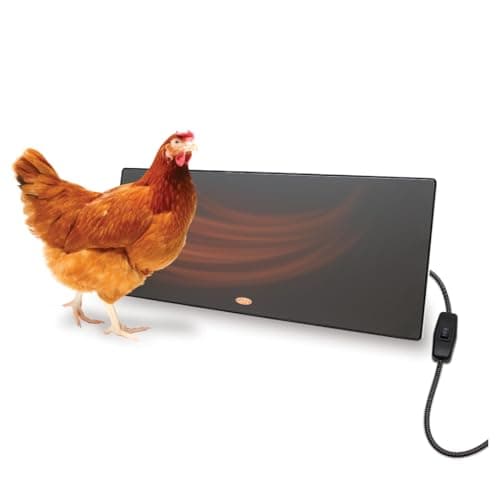
Pick 2 · A long-established low-wattage panel
Cozy Products Cozy Coop Flat-Panel Heater, 150W
150W, wall-mounted or free-standing. Lower draw than the 200W panels and long-standing in this category.
What the numbers say
The manufacturer does not publish the dimensions this calculation needs, so we do not print a number.
Figures from Cozy Products published specifications (Amazon listing)
150W is a modest draw, which suits a coop on an extension circuit rather than a dedicated one.
Cozy Products publishes only box dimensions on this listing rather than panel dimensions, so we do not print a panel size. That is a small gap, but we do not fill gaps with estimates.
As with any coop heater, this is the last thing to buy, not the first. Ventilation and draft-proofing come first and solve more.
Good
- Lower 150W draw than the 200W panels
- Mounts to a wall or stands free
- Long-standing product in the category
Not so good
- Panel dimensions not published on the listing
- Still needs safe mains power at the coop
- Lower output than the 200W panels in a large coop
Skip this if: your coop is large or badly sealed. 150W will not change conditions in a big drafty structure, and the fix there is carpentry rather than wattage.
#ad · how this is funded · price as of October 17, 2026
The radiant panel at the top of that list has a full write-up of its own - the TIMEBAL 200W panel review covers safety certification, radiant against convective heat, and what thermostat control actually means here.
Questions people actually ask
+Do chickens need a heater in the coop?
+Are heat lamps safe in a chicken coop?
+What wattage heater does a chicken coop need?
+Where should a coop heater be placed?
Sources
Read next
Chicken coops for cold climates
Cold-climate coops ranked on the things that matter below freezing - dryness, roof geometry, ventilation and floor area per bird.

Ventilation, not insulation
Why sealing a coop causes frostbite, where vents belong, and how to tell whether yours has enough.
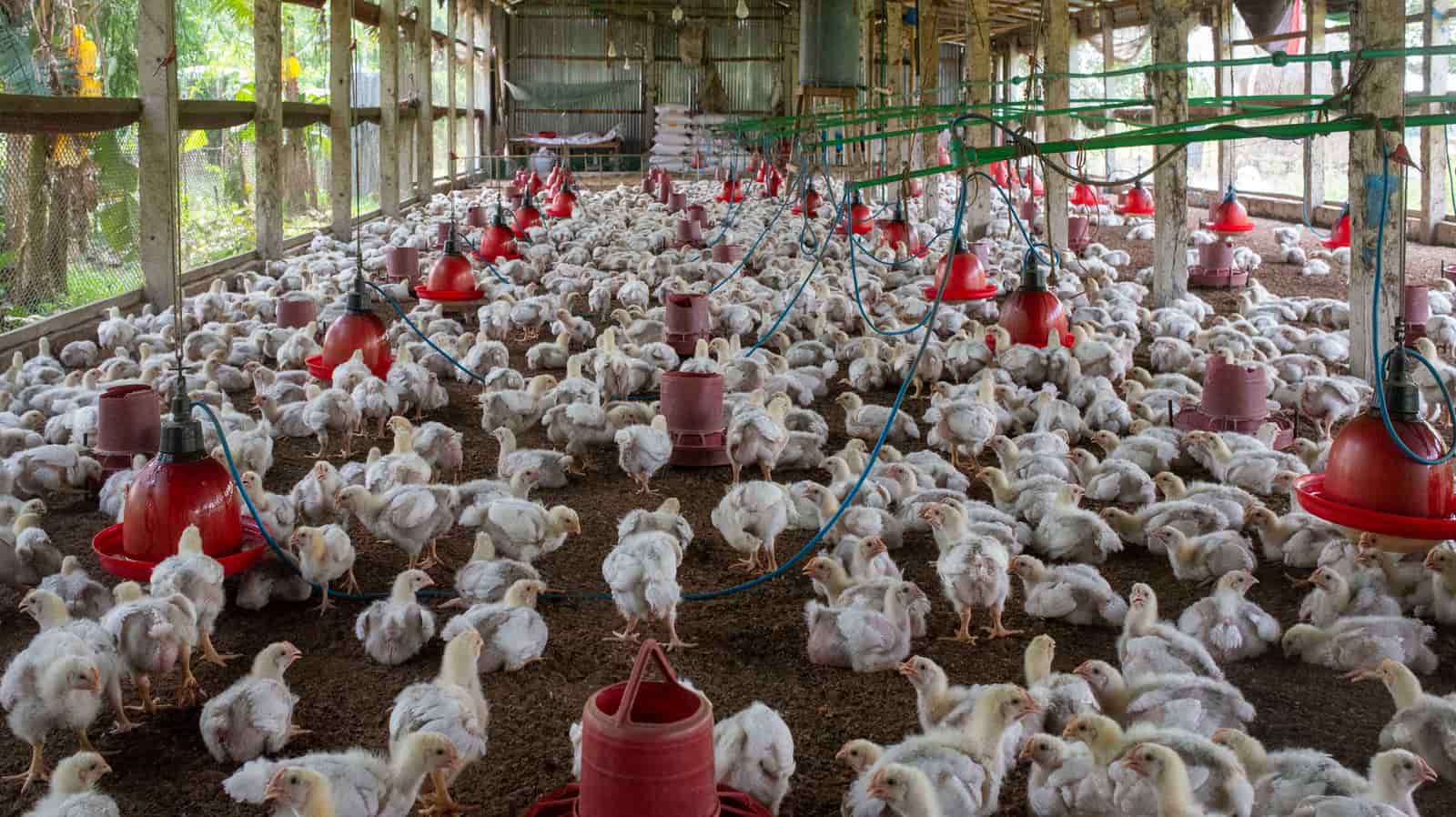
Coop gear, ranked by the problem it solves
The gear that fixes what coops arrive without - doors, mesh, roosts, boxes, heat and airflow - in buying order.
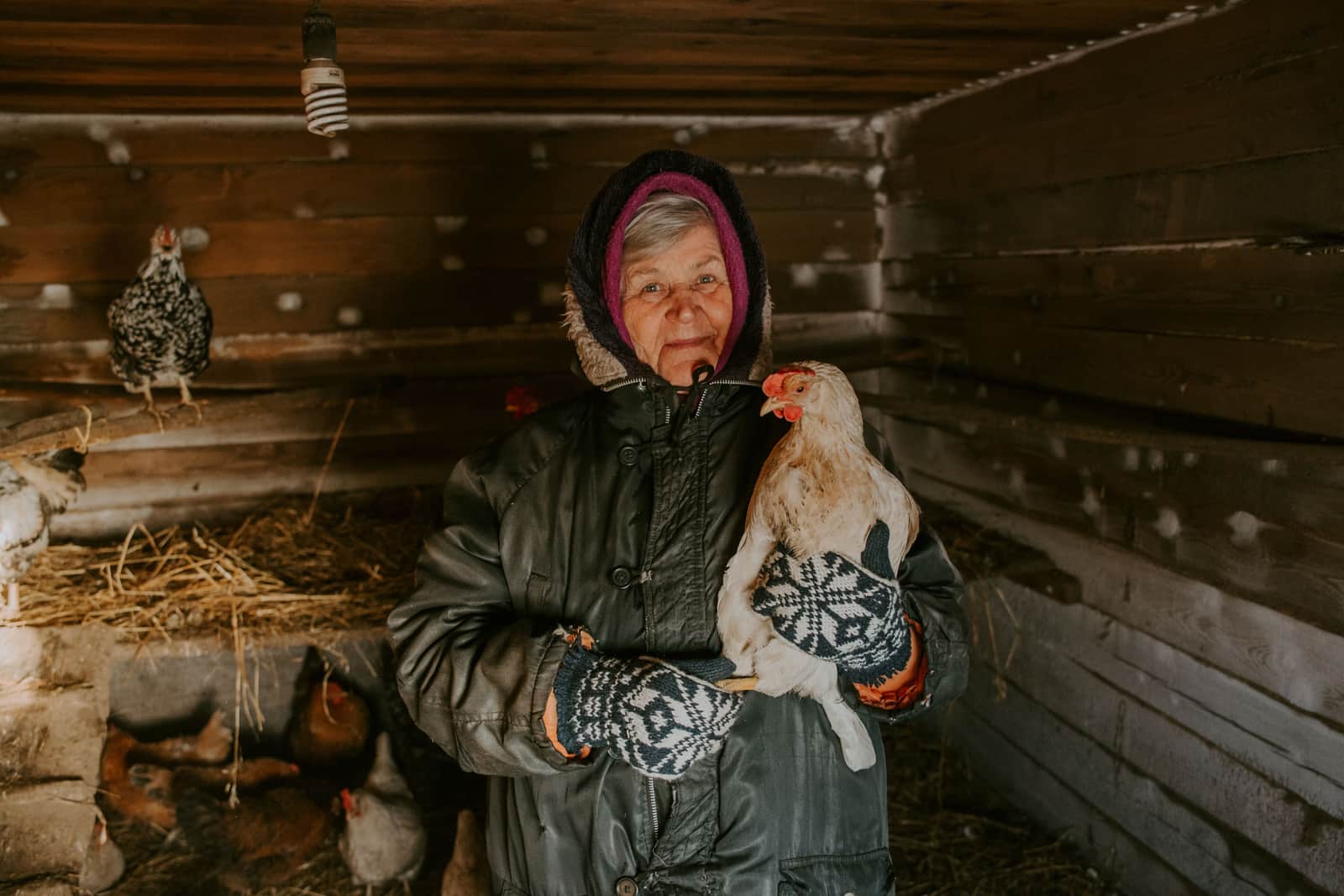
Climate, ventilation and the season problem
Why moisture rather than cold decides winter outcomes, what changes in heat, and the coops and gear that suit each climate.
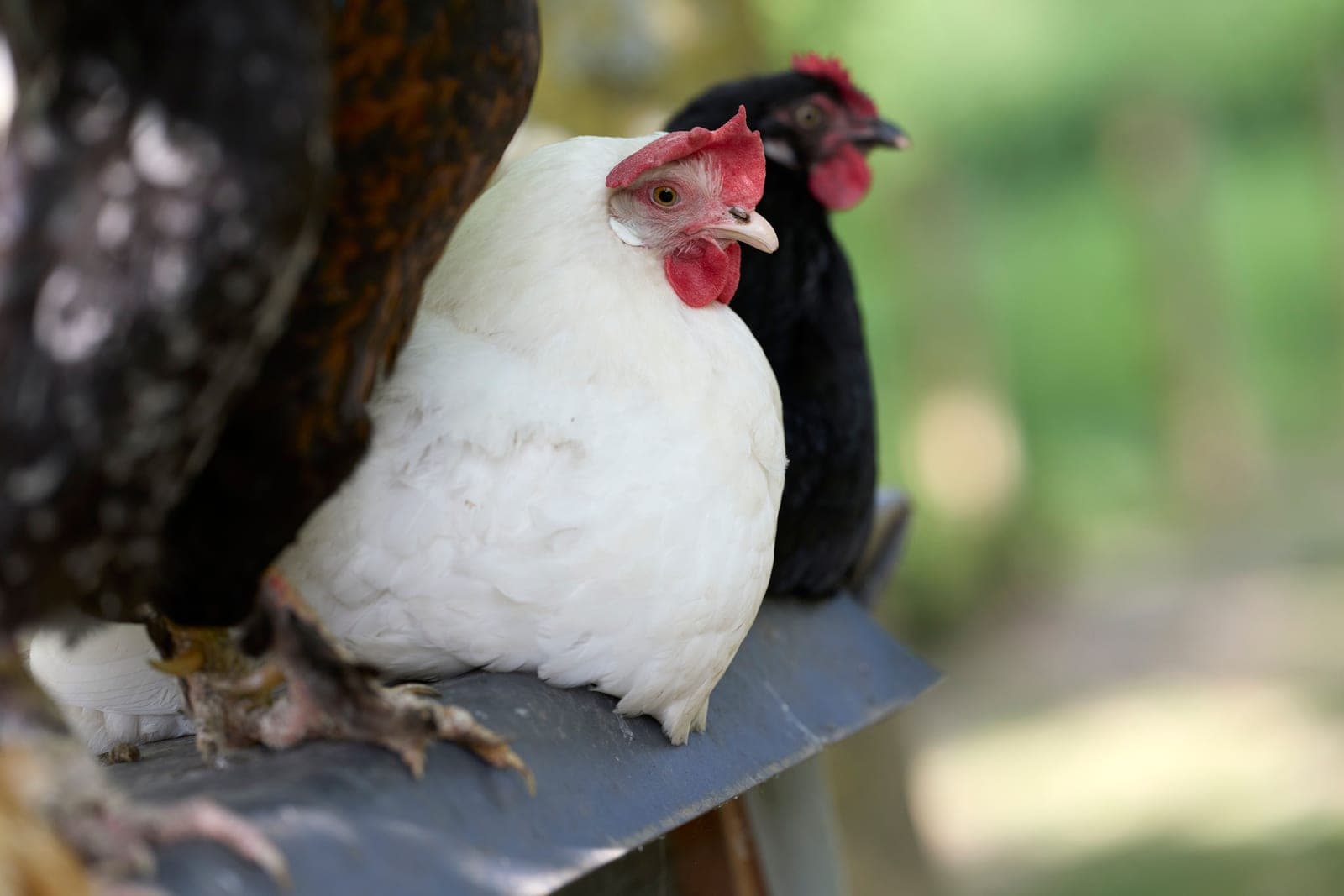
Roosting bars, and how much bar a flock needs
The published per-bird roost length, why flat beats round, and how to add bar without carpentry.
Plastic against wood, in the cold
A material comparison judged on condensation, cleaning and mite resistance rather than on an insulation value neither material really has.