TIMEBAL 200W Radiant Coop Panel
The right category of coop heater, if you have genuinely established that you need one. Most keepers who think they do have a ventilation problem instead.
We have not handled these coops, and we do not pretend to have. Here is what we did instead. Links to Amazon earn us a commission at no extra cost to you - disclosure.
| # | Coop | Best for | Honest count | Price |
|---|---|---|---|---|
| 1 | 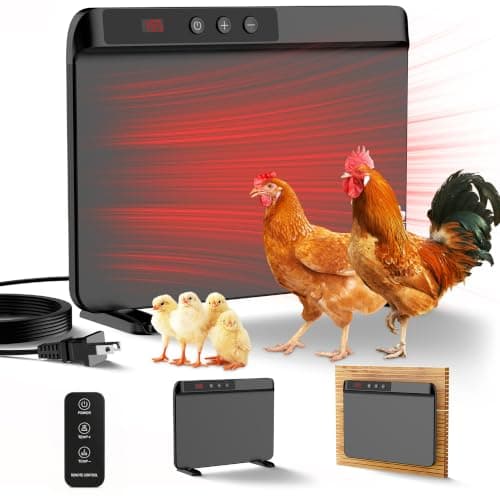 TIMEBAL 200W Radiant Coop PanelTop pickA UL-certified flat radiant panel. The right category of coop heater, if you have genuinely established that you need one. | Radiant warmth without a fire risk | not published |
Start with the uncomfortable part. Most flocks in most US climates do not need supplemental heat at all. Cold-hardy breeds handle hard frost without help, and the things that actually hurt birds in winter are moisture and moving air at roost height - not the number on the thermometer.
So this review has two jobs. The first is to talk you out of a heater if you do not need one. The second, if you do, is to make sure the one you buy is this category and not the other one.
Do you actually need a heater?
Work through this before you spend anything. Each of these is cheaper than a heater and more likely to be the real problem.
- Is there ventilation above the birds' heads, open all winter? Warm moist air has to leave the coop. If the only airflow is at roost level, you have draft without ventilation - the worst combination there is. Coop ventilation is the fix.
- Is the bedding dry? Damp litter is a humidity source inside the coop, and humidity is what causes frostbite on combs and wattles. Coop bedding covers keeping it dry.
- Are there drafts at roost height? Air moving across a roosting bird strips the insulating layer it fluffed up specifically to keep. Block low gaps; leave the high vents alone.
- Are the breeds cold-hardy? Most common backyard breeds are. Large single combs are the vulnerable part, not the body.
- Is water freezing, and is that the actual problem? Very often it is - and a heated waterer solves it for less than a coop heater costs.
If you do need one: why radiant, not a lamp
Coop fires are overwhelmingly caused by heat lamps. A lamp is a hot filament in a clip-on fixture, hanging above a room full of dry bedding and airborne dust, in a structure that shakes when birds land on the roost. The clip slips, or a bird hits it, and the coop is gone in minutes - usually with the flock inside.
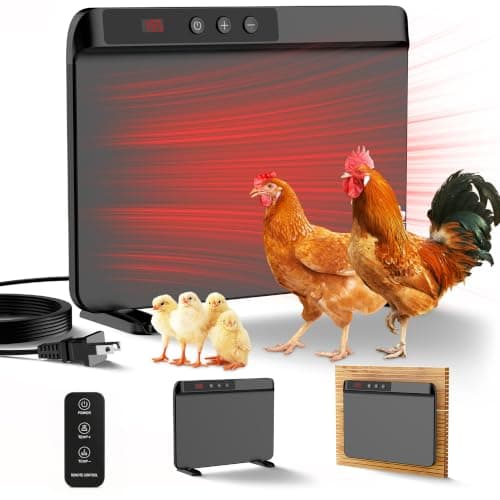
A flat radiant panel is a different device. It mounts to a wall rather than hanging, it has no exposed element, and it runs at a surface temperature that warms a bird standing near it rather than glowing. Two hundred watts is a modest draw, and it is not trying to raise the air temperature of a box you are deliberately venting.
That last point is the design logic. Convective heating and good ventilation are in direct opposition - you warm air and then vent it. Radiant heating warms the bird, so the ventilation you need for moisture control is not fighting the heater you installed.
UL certification is the specification to insist on
This panel is UL certified, and that is the line we would not cross for any price. A coop is a dusty, dry, combustible environment with no smoke alarm and nobody in it, and uncertified heating products sold for exactly this application exist in quantity.
If you take one thing from this page other than the ventilation argument, take this: whatever you end up buying, check for a real safety certification, and treat its absence as disqualifying rather than as a discount.
Thermostat control - read this carefully
A lot of people searching for a coop heater are specifically looking for a thermostat, so it is worth being precise. This panel is described as compatible with outlet timers and thermostatic plugs. That is not the same as a built-in thermostat, and we are not going to blur the two.
In practice the distinction matters less than it sounds, because a thermostatic outlet plug is an inexpensive, separate component that switches any device on below a set temperature and off above it. Pairing one with this panel gives you thermostatic control of the coop heater. It just means buying two things, and knowing that before you order rather than after.
Installation and the power question
- You need mains power at the coop, run safely. An outdoor-rated circuit with GFCI protection, not an extension cord across the lawn under a tarp.
- Mount it on a wall at bird height on the roost side, not above the birds and not where they can roost on top of it.
- Keep bedding away from the base. Deep litter drifts, and a panel half-buried in shavings is not what anyone designed.
- The ABS housing collects dust - coops generate a remarkable amount of it - so wipe it down as part of the cleaning routine.
- Check it in daylight after the first hard freeze. Confirm it is running, confirm the birds are using it, and confirm the vents are still open.
Who should buy this
- Keepers in genuinely severe winter climates who have already fixed ventilation and bedding.
- Anyone with large single-combed birds showing early frostbite despite dry, well-ventilated housing.
- Anyone currently running a heat lamp. Replacing a lamp with a certified panel is an unambiguous improvement.
- Flocks with a bird recovering from illness or injury that needs a warm corner to stand in.
Who should not
- Anyone whose coop does not have ventilation above head height. Fix that first; it may be the whole problem.
- Anyone without safe mains power at the coop. Do not improvise this.
- Keepers with cold-hardy breeds in a dry, draft-free coop, anywhere south of a hard continental winter.
The full write-up
Top pick · Radiant warmth without a fire risk
TIMEBAL 200W Radiant Coop Panel
A UL-certified flat radiant panel. The right category of coop heater, if you have genuinely established that you need one.
What the numbers say
The manufacturer does not publish the dimensions this calculation needs, so we do not print a number.
Figures from TIMEBAL published specifications (Amazon listing) · 15.9"L x 5.5"W x 12.4"H · ABS
Flat radiant panels warm the birds near them rather than heating the air, which is the correct approach in a coop that must stay ventilated.
UL certification is the specification to insist on. Coop fires are overwhelmingly caused by heat lamps and uncertified units, and a coop is full of dust and dry bedding.
Most flocks in most US climates do not need supplemental heat at all. Cold-hardy breeds handle hard frost; what kills them is damp and draft, not temperature.
Good
- UL certified, which heat lamps typically are not
- Radiant rather than convective, so ventilation is not fighting it
- Adjustable mounting
Not so good
- Needs mains power run to the coop safely
- Most flocks do not need it
- ABS housing collects dust and needs periodic cleaning
Skip this if: you have not first fixed ventilation. Adding heat to a damp, poorly ventilated coop makes frostbite more likely, not less - read our ventilation guide before buying any heater.
The alternatives
Coop heaters compares this against a flat-panel alternative and explains where heat sits in the winter priority list. Cold climate coops covers the structural side, which matters more than any heater.
Questions people actually ask
+Do chickens need a heater in winter?
+Does the TIMEBAL panel have a thermostat?
+Are radiant panels safer than heat lamps?
+Will a coop heater cause frostbite?
+How many watts does a chicken coop heater need?
Sources
Read next
Coop heaters, and whether you need one
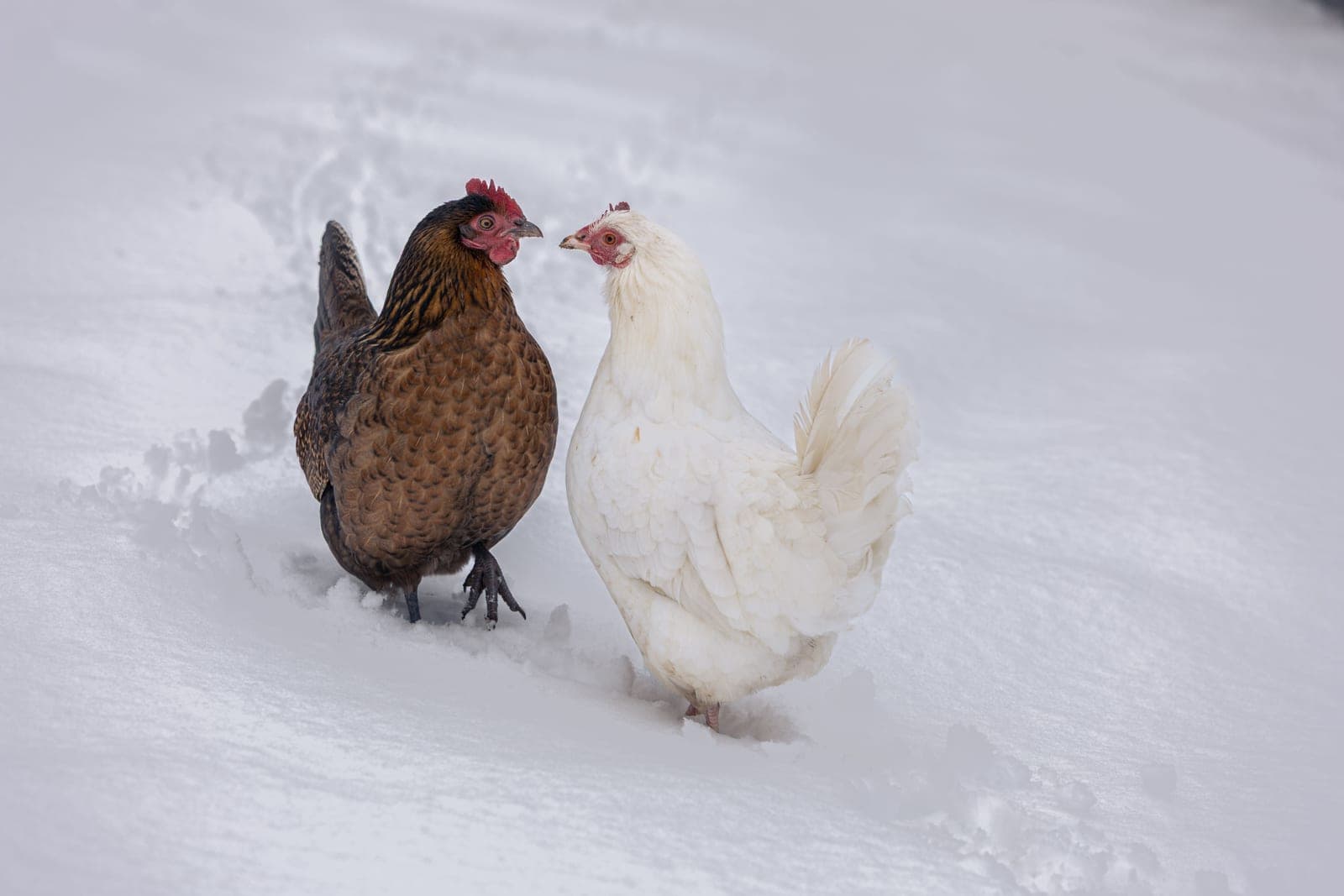
Flat radiant panels compared, with an honest answer first on whether heat is the right intervention at all.
Chicken coops for cold climates
Cold-climate coops ranked on the things that matter below freezing - dryness, roof geometry, ventilation and floor area per bird.
Ventilation, not insulation
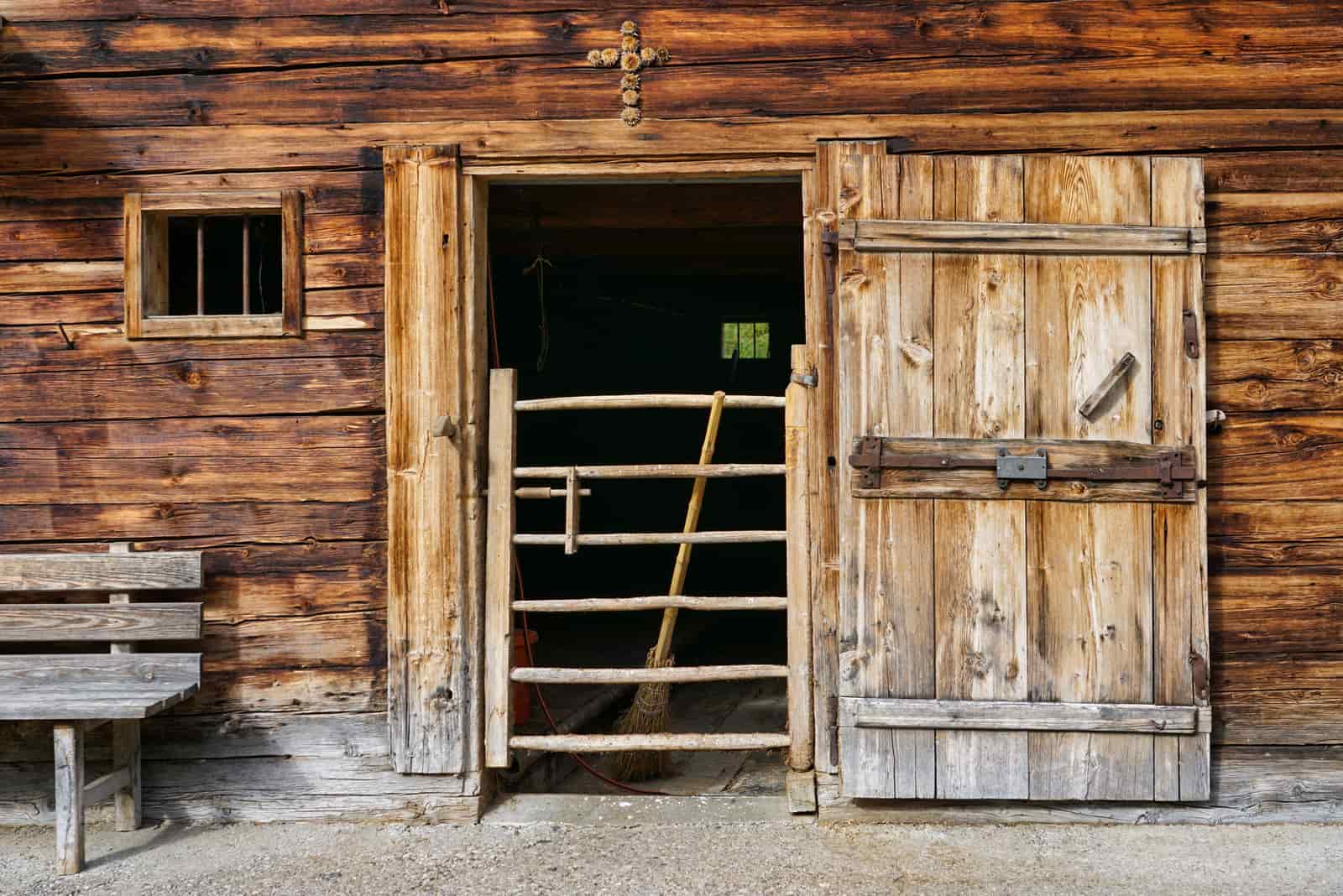
Why sealing a coop causes frostbite, where vents belong, and how to tell whether yours has enough.
Coop bedding, judged on moisture
Shavings, straw, sand and hemp compared on absorbency and running cost, plus how the deep litter method actually works.
Single-model reviews
Individual coop reviews, each measured against the maker's own published dimensions rather than its marketing.
Plastic against wood, in the cold
A material comparison judged on condensation, cleaning and mite resistance rather than on an insulation value neither material really has.