Amagabeli 1/2" Hardware Cloth, 48in x 100ft
The least interesting purchase in the hobby and comfortably the most important. Three numbers decide whether a roll of mesh is security or decoration.
We have not handled these coops, and we do not pretend to have. Here is what we did instead. Links to Amazon earn us a commission at no extra cost to you - disclosure.
| # | Coop | Best for | Honest count | Price |
|---|---|---|---|---|
| 1 | 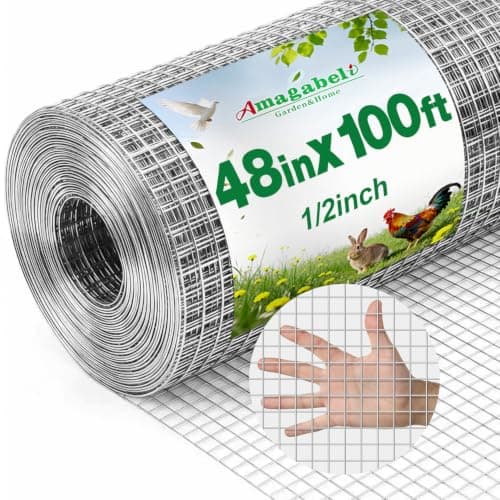 Amagabeli 1/2" Hardware Cloth, 48in x 100ftTop pickHalf-inch aperture, 19 gauge, hot-dipped galvanized after welding. This is the specification that actually keeps raccoons out. | The single most important predator purchase | not published |
Nobody enjoys buying mesh. It is heavy, it is awkward to cut, it arrives as a roll with a memory that fights you for an hour, and it is the least photogenic thing you will put on a coop. It is also the purchase that decides whether the flock is still there in the morning.
Almost every coop sold as predator-resistant ships with chicken wire. Chicken wire is a containment product. It was designed to keep birds in a field, not to keep anything out, and a raccoon opens it by hand.
The three specifications
1. Half-inch aperture
This is the number that does most of the work. A raccoon can reach through one-inch mesh, and reaching through is enough - it does not need to get its body in to kill a bird sleeping against the wall. A weasel or a mink walks through one-inch chicken wire without slowing down, and a juvenile one gets through gaps you would not believe.
Half-inch stops both. It is the aperture the extension services name, and it is the reason this specific roll is worth the trouble over the cheaper alternatives on the same shelf.
2. Nineteen gauge
Gauge is wire thickness, and lower numbers mean thicker wire. Nineteen gauge is the practical minimum for a coop perimeter. Thinner mesh is sold as hardware cloth, looks identical in a photograph, and bends open by hand - which means it bends open under a determined animal with all night to work on it.
If you are covering a vent opening high on a wall, thinner is defensible. For anything at ground level, or anything a predator can get leverage on, it is not.
3. Galvanized after welding
This is the specification almost nobody checks, and it is the one that determines how long the mesh lasts. Welding burns the zinc coating off at the joint. Mesh galvanized before welding therefore has bare steel at every single intersection - and the intersections are exactly where the mesh needs to hold.
Hot-dipped galvanized after welding coats the finished sheet, joints included. On a coop perimeter that sits in wet ground and wet litter, that is the difference between mesh that is still sound in ten years and mesh that has rusted apart at the welds in three, quietly, in the places you do not inspect.
| Material | Excludes raccoons | Excludes weasels | Life outdoors |
|---|---|---|---|
| Chicken wire, 1in hex | No | No | Short - it rusts and tears |
| Hardware cloth, 1in | No - they reach through | No | Good if galvanized after welding |
| Hardware cloth, 1/2in, thin gauge | Partly - bends open | Yes | Fair |
| Hardware cloth, 1/2in, 19ga, galv. after welding | Yes | Yes | A decade or more |
Working with it
Be honest with yourself about the job. A 100-foot roll of 19 gauge is not a pleasant afternoon. Cutting it is hard on your hands and hard on your snips, the cut edges are genuinely sharp, and the roll wants to return to being a roll the entire time.
- Wear leather gloves, not fabric ones. This is not optional advice - cut 19 gauge ends will open a fingertip.
- Use aviation snips rather than wire cutters. A cheap pair is a false economy on this gauge.
- Unroll it and weight it flat for an hour before you try to fit it, or it will fight every staple.
- Fasten with poultry staples or fender washers and screws, at close spacing. Staples driven flush every couple of inches beat staples driven sloppily every six.
- Cap or fold every exposed edge. A folded edge is safer for you, safer for the birds, and stiffer.
Is 100 feet too much?
For a single small coop, probably. A 12-to-15 square foot coop with a small run will not use it all, and the remainder sits in the garage.
Two honest counterpoints. First, almost everyone uses more than they planned, because the apron, the vent covers, the nest-box lid underside and the gap you find behind the clean-out tray all consume mesh you did not budget for. Second, the price per foot on the large roll is usually better than on the short ones by enough to make the leftover free.
If you genuinely only need a few feet, buy a smaller roll and keep the specifications identical. Do not trade down on aperture or gauge to save on quantity.
Who should buy this
- Anyone who has just bought a flat-pack coop. Assume the supplied mesh needs replacing and budget for it as part of the coop price.
- Anyone building a run from scratch - this is the security layer, and the frame is just what holds it.
- Anyone who has lost a bird and does not know how it happened. Mesh is where to start looking.
The full write-up
Top pick · The single most important predator purchase
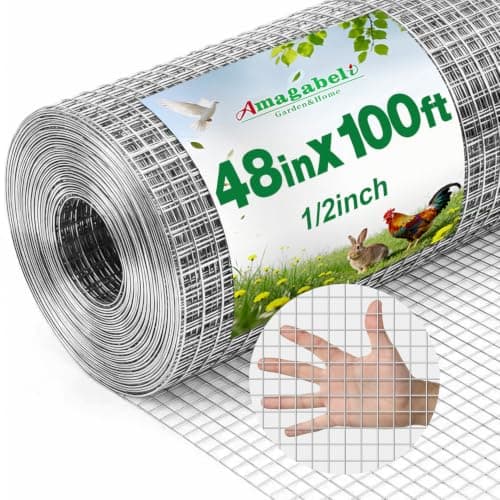
Amagabeli 1/2" Hardware Cloth, 48in x 100ft
Half-inch aperture, 19 gauge, hot-dipped galvanized after welding. This is the specification that actually keeps raccoons out.
What the numbers say
The manufacturer does not publish the dimensions this calculation needs, so we do not print a number.
Figures from Amagabeli published specifications (Amazon listing)
Half-inch aperture is the number that matters. A raccoon can reach through 1in mesh and a weasel walks through 1in chicken wire; half-inch stops both.
Galvanized AFTER welding, not before, is the second specification to check. Welding burns the coating off, so mesh galvanized beforehand rusts at every joint - which is exactly where it needs to hold.
19 gauge is the practical minimum for a coop perimeter. Thinner mesh sold as hardware cloth exists and bends open by hand.
Good
- Half-inch aperture excludes raccoons and weasels
- Hot-dipped galvanized after welding, so joints do not rust first
- 48in width covers most run walls in a single run
Not so good
- Cutting it is hard on the hands and on your snips
- 100ft is more than a small coop needs
- Edges are sharp and need capping or folding
Skip this if: only if you already have half-inch hardware cloth. Do not substitute chicken wire - it is a containment material, not a security one.
The alternatives
Hardware cloth vs chicken wire has the full comparison, including a finer-aperture roll for vent openings. Predator-proof a coop is the order of operations for the whole job, of which mesh is step one.
Questions people actually ask
+What size hardware cloth is best for a chicken coop?
+What gauge hardware cloth do I need?
+Does galvanized before or after welding matter?
+Is chicken wire good enough for a coop?
+How much hardware cloth do I need for a chicken coop?
Sources
Read next
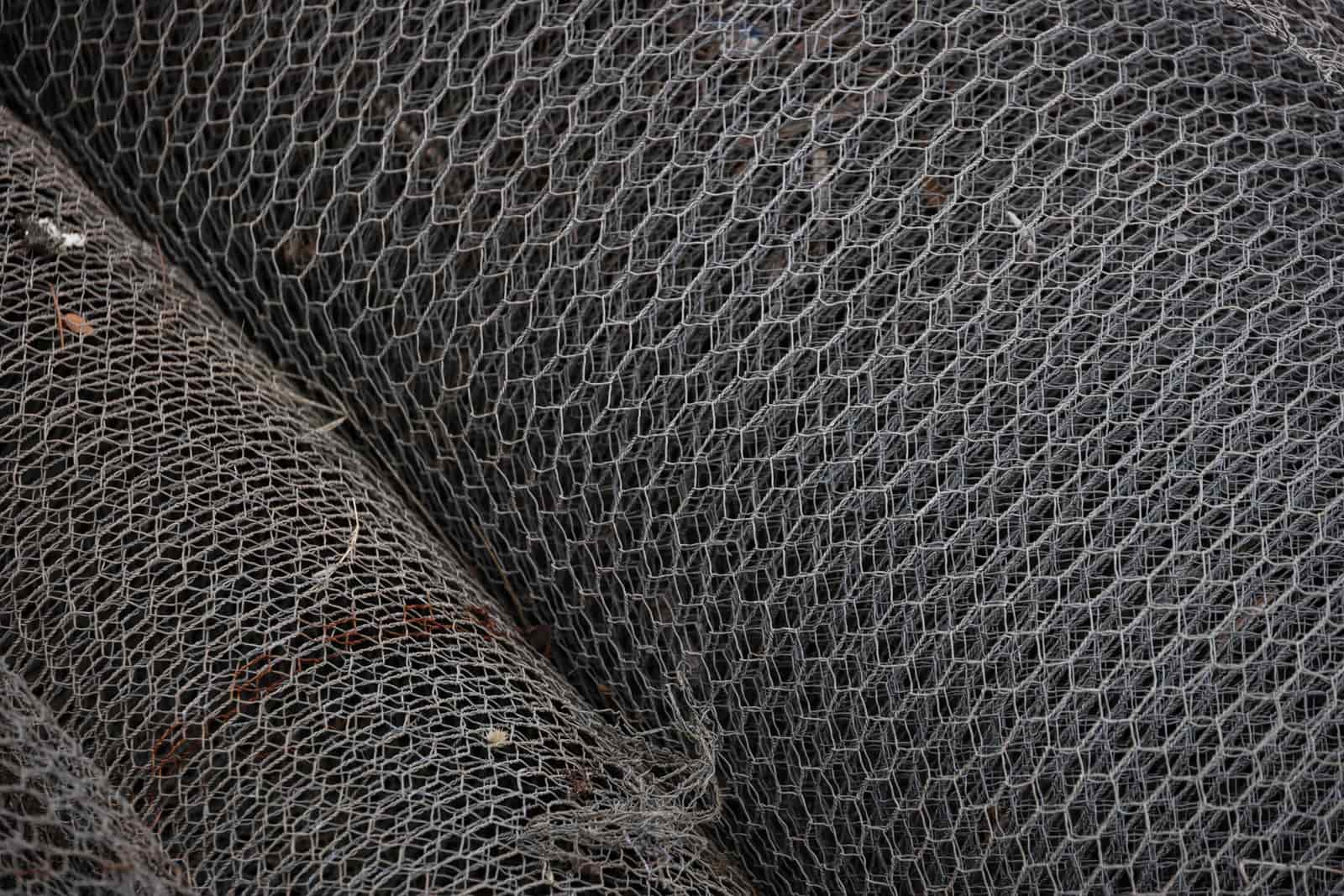
Hardware cloth against chicken wire
Why hexagonal chicken wire fails, what gauge and aperture to buy instead, and how many feet a typical coop actually needs.
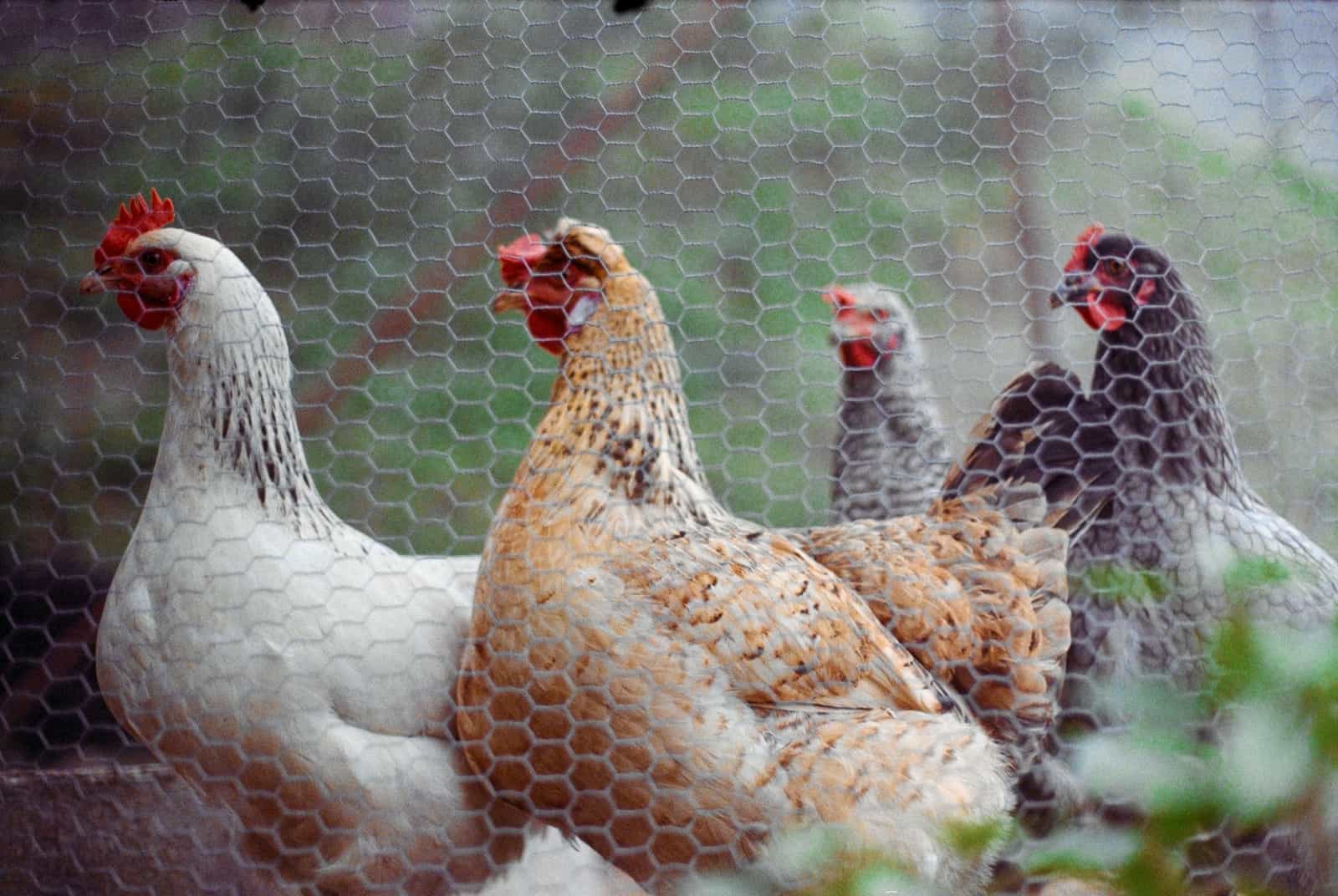
Predator-proofing a coop, step by step
The full walkthrough: mesh, latches and apron, with a materials list and the openings that get missed.

Stopping predators that dig under the run
Why the apron beats a buried perimeter, how to lay one properly, and how much hardware cloth a typical run needs.
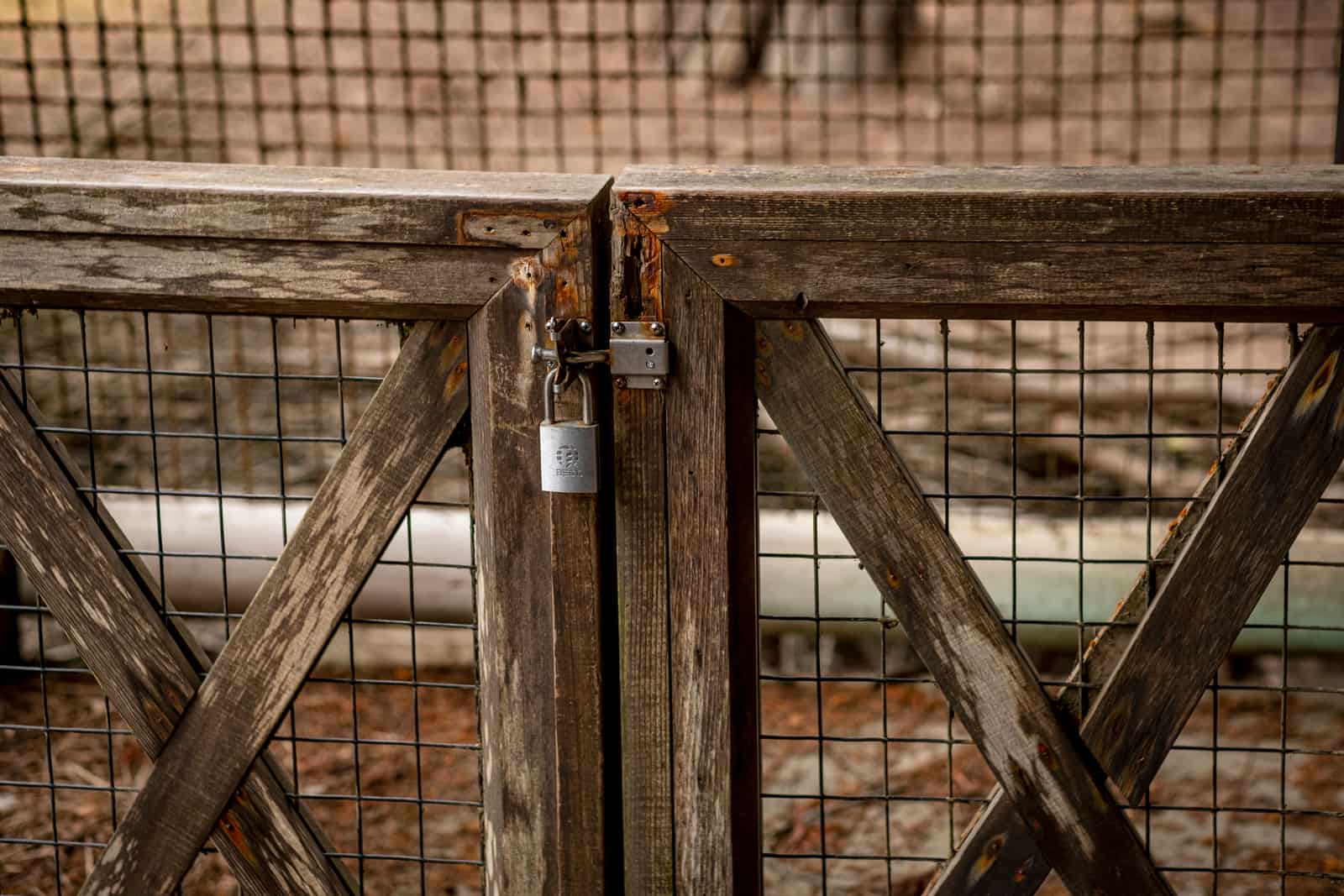
Raccoon-proofing a chicken coop
What a raccoon can actually do, the three fixes that stop it, and the openings people forget until the morning after.
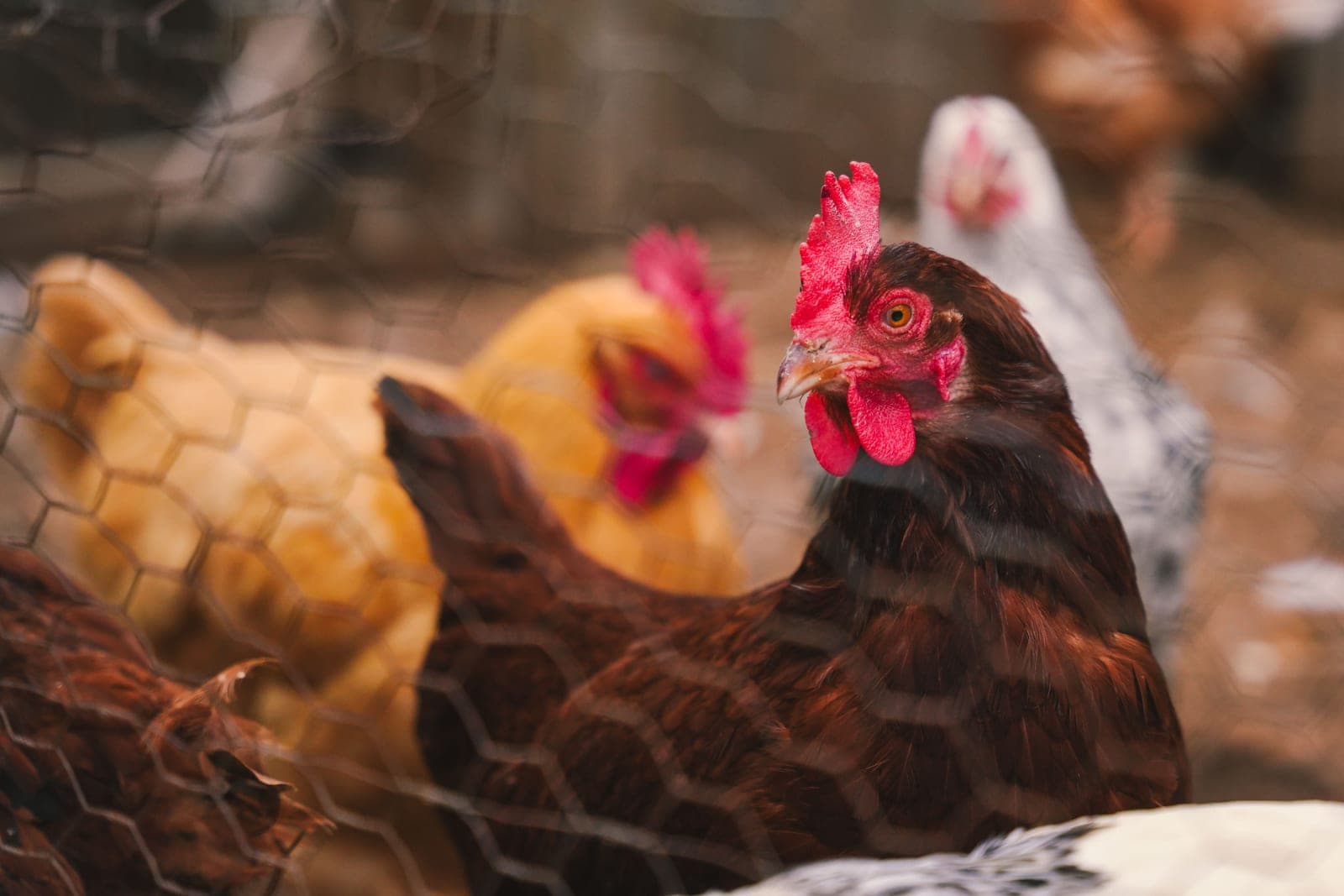
Single-model reviews
Individual coop reviews, each measured against the maker's own published dimensions rather than its marketing.
Weasels, mink and the gaps you cannot see
Why welded mesh sold as secure still lets small predators walk in, the half-inch rule, and where the overlooked gaps are.